
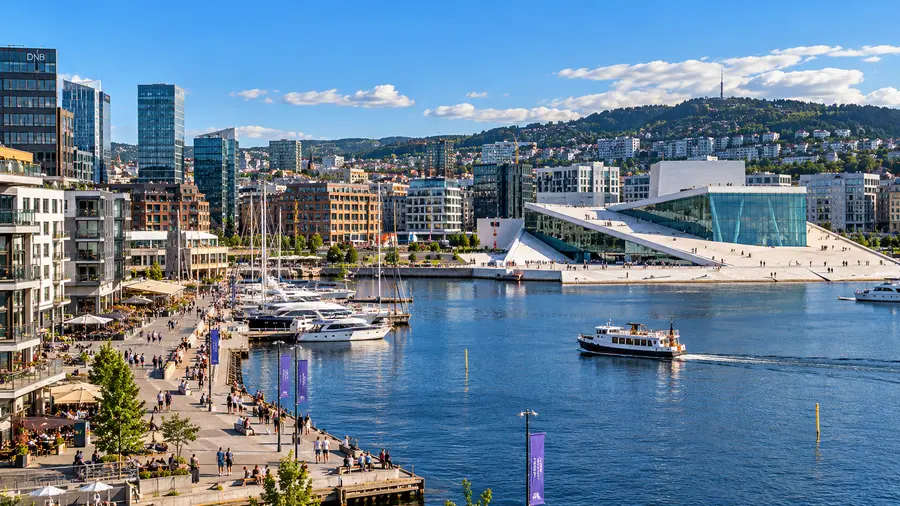
Oslo, Norway's capital, sits at the head of a long fjord, where modern architecture meets a medieval fortress, forests and islands. The city was founded in the mid-11th century, and after a fire in 1624 King Christian IV rebuilt it beside Akershus Fortress and named it Christiania after himself; the old name, Oslo, only returned in 1925. Today more than 700,000 people live here, yet forests and lakes cover most of the municipality, and the island beaches are a short ferry hop from the centre. Oslo ranks among Europe's priciest capitals, but also one of the easiest to enjoy: a compact centre, superb museums, clean water in the fjord and a metro that runs right up to the ski trails. What should you not miss in Oslo? Here is our pick of what to see in Oslo, twenty places from the Opera House roof and the polar museums to a sculpture park and a ski jump above the city.
What to see in Oslo first
Central Oslo is easy to explore on foot. The Opera House is five minutes from the Central Station, the waterfront leads on to Akershus Fortress and City Hall, and the main street, Karl Johans gate, climbs from the station to the Royal Palace. Vigeland Park is a short tram ride away, Holmenkollen is reached by metro, and in summer a ferry runs from the City Hall pier to the museums on the Bygdøy peninsula. If you plan several museums, look at the Oslo Pass, which covers entry to most of them plus city transport, ferries included.
1. Oslo Opera House
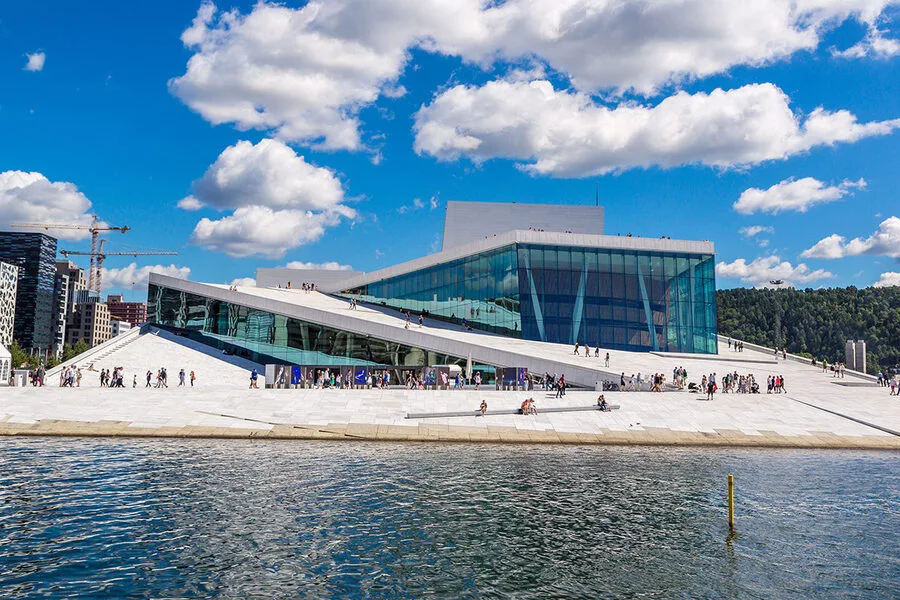
Opened in 2008, the white Opera House rises from the water like an iceberg sliding into the fjord. The architects at Snøhetta turned its roof into a sloping plaza of Italian marble that anyone can walk up, from the quayside to the very top, where people sunbathe in summer and tread carefully over the snow in winter. The view takes in the fjord, the islands and the new Bjørvika district.
Inside, a bright foyer with tall glass walls leads to an auditorium lined in oak, rather like the hull of a ship. The Norwegian National Opera and Ballet perform here, and tickets sell out fast, so book ahead. Even without a ticket, step into the foyer and look out at the glass-and-steel sculpture floating in the water beside the building.
2. Akershus Fortress
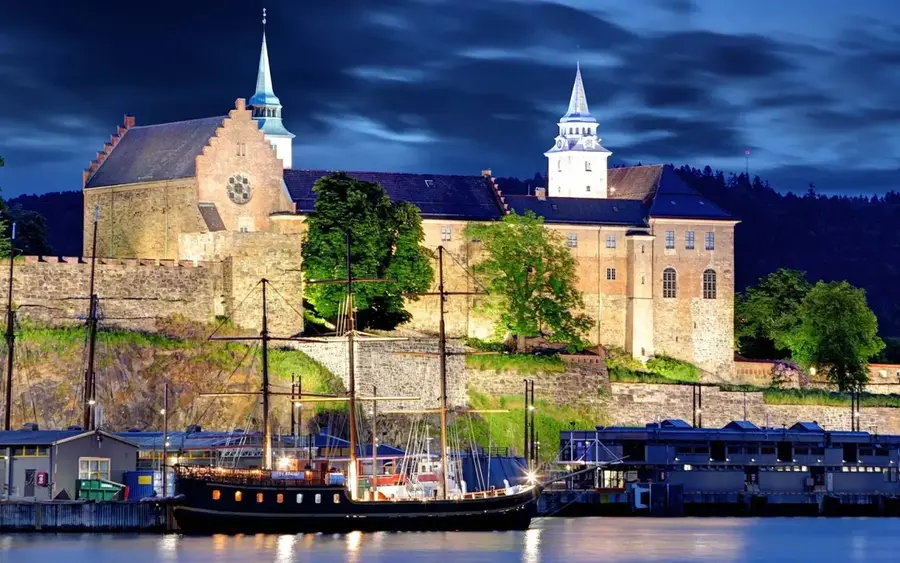
The fortress on its rocky headland was begun in the late 13th century under King Haakon V and survived several sieges. In the 17th century Christian IV turned the medieval stronghold into a Renaissance castle, and the new city grew up at its feet. Norway's monarchs rest in the castle church and the royal mausoleum, while the tapestry-hung halls are still used for official receptions.
The grounds are open to walkers, with stone bastions, cannons, grassy slopes and fine views over City Hall and the harbour. The Norwegian Resistance Museum here tells the story of the German occupation of 1940–45 and the people who fought it. On summer evenings locals picnic on the ramparts and watch the sun go down over the fjord.
3. Vigeland Park
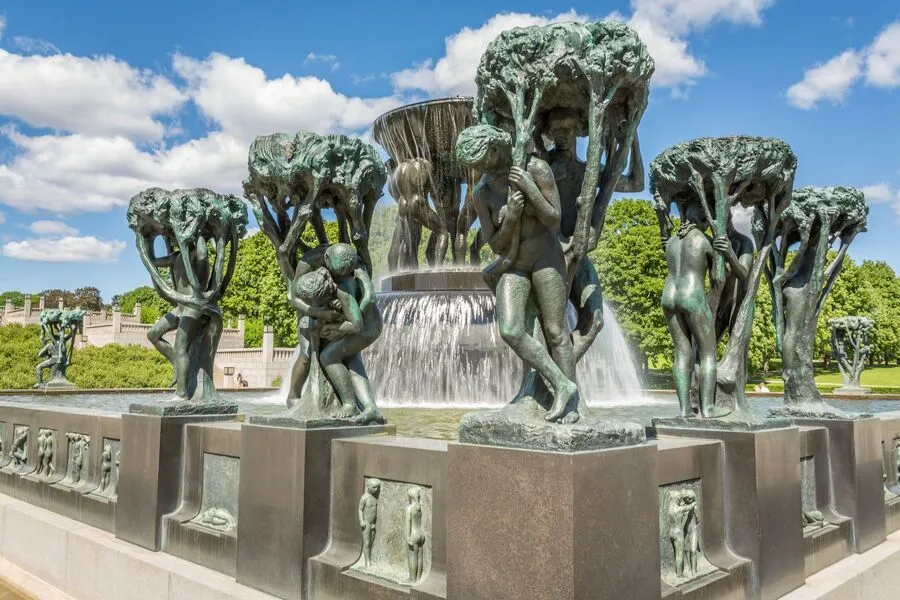
Inside Frogner Park lies the world's largest collection of sculptures by a single artist: more than 200 works in bronze, granite and wrought iron by Gustav Vigeland. He spent decades on them, and together they trace the whole of human life, from babies to old age, from tenderness to quarrels. The best-loved figure is the little Angry Boy stamping his foot, his bronze hand polished to a shine by visitors.
At the heart of the park stands the Monolith, over 14 metres tall and carved from a single block of granite, with 121 human figures seeming to climb towards the sky. The park never closes and charges no entry, so come early in the morning before the tour buses arrive, or at sunset. There are cafés by the entrance, and in summer whole families spread out on the lawns.
4. MUNCH
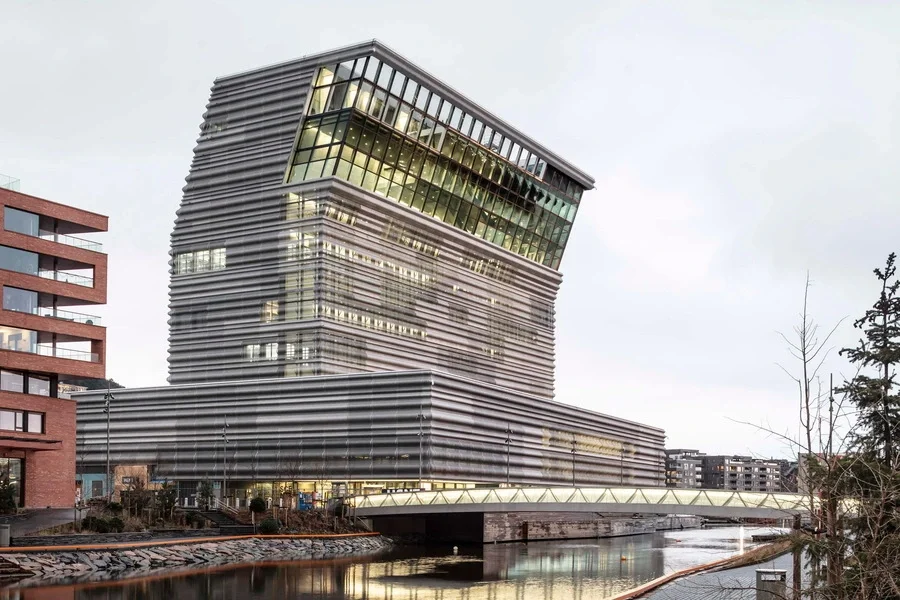
The tall building with a leaning top next to the Opera is MUNCH, one of the world's largest museums devoted to a single artist. Edvard Munch left his collection to the city, and it now holds more than 26,000 of his works, from paintings, prints and drawings to photographs and personal belongings. The museum shows its own versions of The Scream in turn, protecting the fragile sheets from light.
The galleries spread over several floors and reveal far more than the anxiety and loneliness Munch is known for, including bright landscapes, self-portraits and monumental canvases. Save time for the upper floors, where the glass facade frames the whole harbour, the Opera and the islands. MUNCH pairs naturally with the Opera House and a walk along the Bjørvika waterfront.
5. National Museum
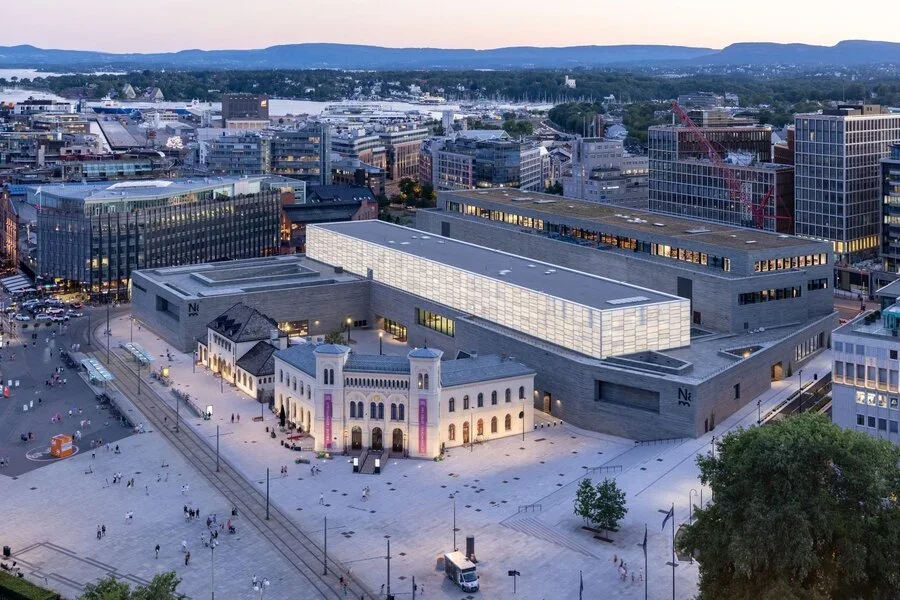
The National Museum's new building near City Hall is the biggest art museum in the Nordic countries, bringing painting, sculpture, design and architecture under one roof. This is where Munch's most famous Scream, painted in 1893, hangs alongside his Madonna and other works he considered central to his art.
Beyond Munch, look for the 19th-century Norwegian Romantics with their fjords and waterfalls, medieval tapestries and the Nordic design galleries full of classic chairs and tableware. The top floor is occupied by the Light Hall, walled with wafer-thin marble that glows over the waterfront like a lantern after dark, and the roof terrace offers a sweeping view of the harbour.
6. Oslo City Hall
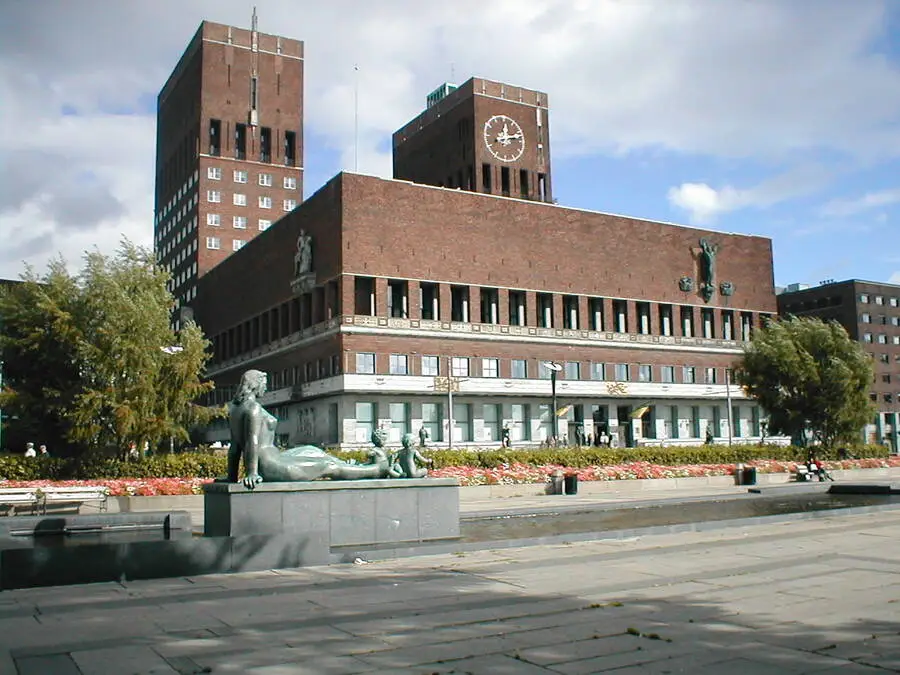
This massive red-brick building with twin towers was completed in 1950 for the city's 900th anniversary, and many people first found it too severe. Inside, though, it holds a surprise: huge, colourful murals by Norwegian artists depicting the country's history, the work of fishermen and labourers, the occupation and liberation.
Every year on 10 December the Nobel Peace Prize is awarded in the Main Hall, where laureates such as Nelson Mandela and Malala Yousafzai have received it. Entry is free, and several times a day a carillon of dozens of bells rings out from the tower. In front of City Hall is the pier for ferries to the islands and Bygdøy.
7. Royal Palace and Karl Johans Gate
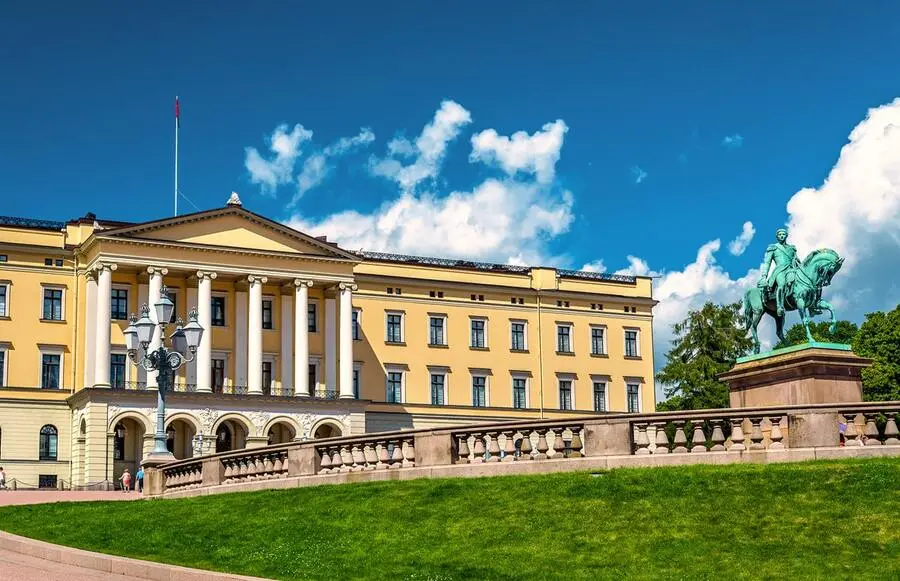
The city's main street rises from the Central Station to the Royal Palace and is named after Karl Johan, the former French marshal Bernadotte who became king of Sweden and Norway. Along it stand the cathedral, the Storting parliament building, the Grand Hotel, from whose balcony Nobel Peace Prize laureates greet the crowds, the university and the National Theatre with its statue of Henrik Ibsen.
The palace itself, completed in 1849, is the official residence of Norway's kings. It is surprisingly modest and sits in a park open to everyone, where locals stroll with prams and dogs. The guard changes in front of the palace every afternoon, and in summer guided tours open the state rooms. On 17 May, Constitution Day, Karl Johans gate fills with a children's parade waving flags, greeted by the royal family from the balcony.
8. Norwegian Museum of Cultural History
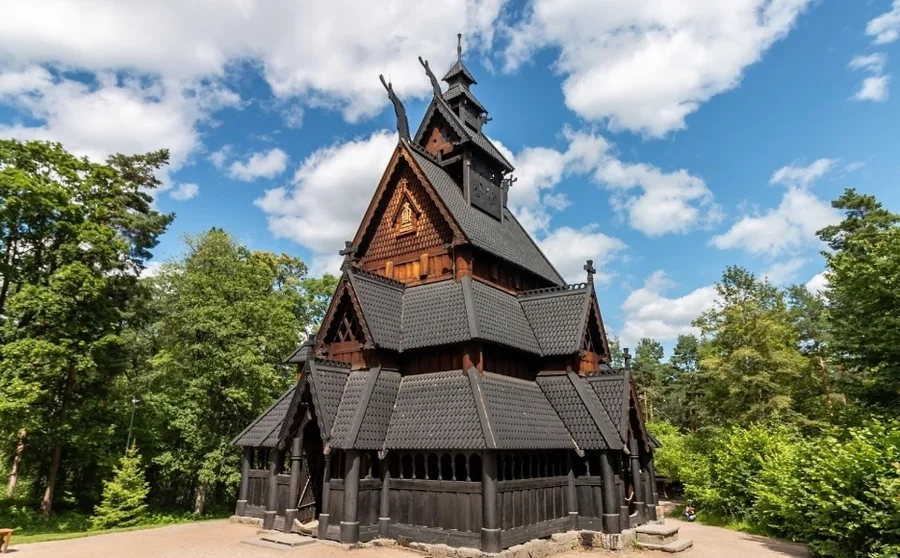
The Norsk Folkemuseum on the Bygdøy peninsula is one of the oldest open-air museums in the world, with more than 150 buildings brought here from every corner of Norway. There are farmsteads with turf roofs, storehouses on stilts, a town street lined with shops and even an apartment block where each flat is furnished in the style of a different decade.
The highlight is the wooden stave church from Gol, built around 1200, with dragon heads on its roofs like the prows of Viking ships. In summer the farms bake flatbread, craftspeople demonstrate their skills, goats and horses graze in the paddocks and folk dancers perform on the lawns. Allow at least half a day.
9. Fram and Kon-Tiki Museums
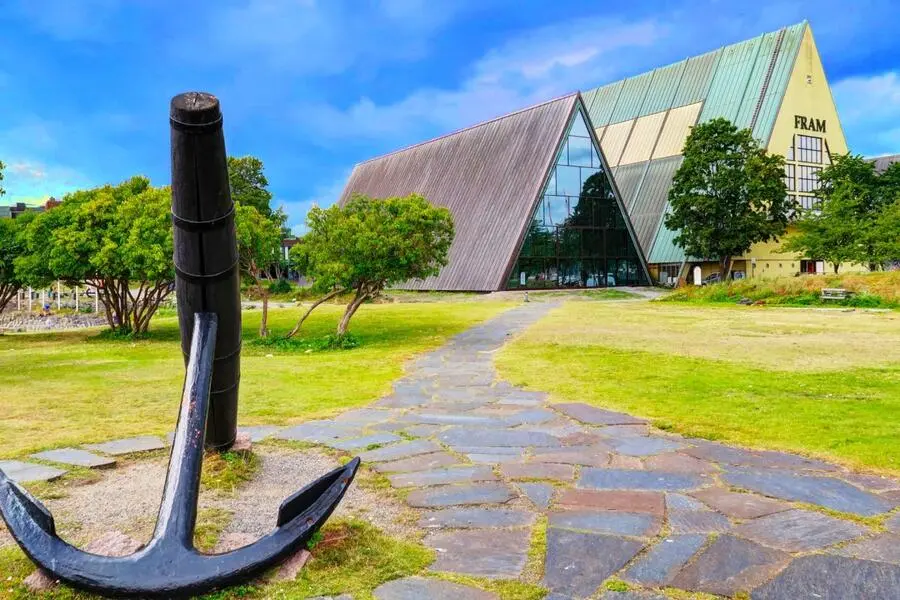
On the Bygdøy shore stands a museum built around a single ship, the polar schooner Fram. Fridtjof Nansen drifted in her through the Arctic ice, and Roald Amundsen sailed her to Antarctica before becoming the first to reach the South Pole in 1911. You can go aboard and explore the cramped cabins, galley and engine room, while interactive halls next door let you feel the polar cold.
Across the road, the Kon-Tiki Museum is dedicated to Thor Heyerdahl. His balsa-wood raft crossed the Pacific from Peru to Polynesia in 1947 to prove that ancient seafarers could have made such a journey. The reed boat Ra II, on which Heyerdahl crossed the Atlantic, is here too. Both museums are a hit with children.
10. Holmenkollen
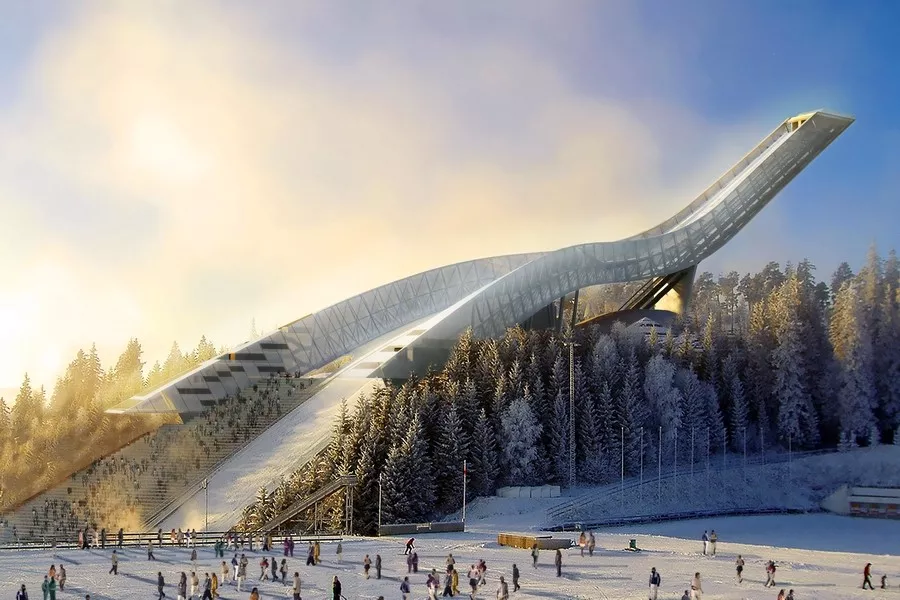
On the hill above the city rises the steel Holmenkollen ski jump, a symbol of Norway's love affair with skiing. Jumping competitions have been held here since the late 19th century, and the current jump, built for the 2011 World Championships, can be seen from much of Oslo. Every March the famous Holmenkollen ski festival draws crowds from all over the country.
At the foot of the jump is the world's oldest ski museum, covering everything from rock carvings of skiers to the gear of Nansen's and Amundsen's polar expeditions. The museum ticket includes the lift to the viewing platform at the top of the jump, with the whole city, the fjord and the islands spread out below. The metro gets here from the centre in about 20 minutes, and forest trails into Nordmarka start right by the station.
Oslo Attractions: What Else to Visit While in the City
- Aker Brygge and Tjuvholmen — a former shipyard turned into a waterfront of restaurants, yachts and smart apartments. At the tip of the point stand a small city beach and Renzo Piano's sail-roofed building for the Astrup Fearnley Museum of Modern Art.
- Nobel Peace Center — a museum in the old Western Railway Station that tells the stories of the peace laureates and what the prize has been awarded for over the years.
- Oslo Cathedral — a late 17th-century church with a painted ceiling, stained glass by Emanuel Vigeland and a carved Baroque altarpiece. Royal weddings and funerals take place here.
- Deichman Bjørvika — the modern city library opposite the Opera, once named the best public library in the world. Entry is free, and its floors hold a cinema, play areas and windows looking out over the fjord.
- Grünerløkka and Mathallen — a former working-class district along the Akerselva river, now full of cafés, vintage shops and street art. The Mathallen food hall is the best place to taste Norwegian cheese, fish and waffles.
- Damstredet and Telthusbakken — two lanes lined with wooden houses from the 1700s and 1800s, which escaped fires and redevelopment. They are quiet, full of gardens and make the capital feel like a small provincial town.
- Ekebergparken Sculpture Park — a wooded hill in the east of the city with sculptures by Rodin, Dalí, Louise Bourgeois and others. This is said to be where Munch saw the blood-red sunset that inspired The Scream.
- Oslofjord islands — city ferries run to Hovedøya, with its 12th-century monastery ruins and small beaches. In summer the islands are a favourite spot for swimming, picnics and walks.
- Sognsvann Lake — at the end of a metro line lies a forest lake with a footpath around it. In summer people swim and grill sausages here, and in winter ski tracks are laid around the shore.
- Botanical Garden at Tøyen — Norway's oldest botanical garden, with glasshouses, a rock garden and free entry. Next door, the Natural History Museum with its prehistoric skeletons and mineral collection is a favourite with children.
What to See in Oslo in 1, 2 or 3 Days
Is 2 days enough to see Oslo? One day covers the centre, two let you take your time in the museums and visit Bygdøy, and with three you can head out to the fjord and the forests. If you only have one day, start on the Opera House roof and at MUNCH, follow the waterfront to Akershus Fortress and City Hall, have lunch at Aker Brygge, then walk up Karl Johans gate to the Royal Palace and end the day in Vigeland Park. On day two take the ferry to Bygdøy: the Folk Museum in the morning, Fram and Kon-Tiki in the afternoon, then the National Museum or dinner in Grünerløkka. Is 3 days enough for Oslo? Yes, and the third day is best spent at Holmenkollen and Sognsvann or island-hopping around the fjord.
Oslo is at its best from May to September. In July daytime temperatures are usually 18–23 degrees, and in June the sun sets close to eleven at night, so there is daylight to spare. Winter days are short, with only about six hours of light in December, but a snowy Oslo with Christmas markets and ski tracks by the metro has its own charm. Beyond the capital, Norway's highlights include Bergen, often called the country's most beautiful city, and the UNESCO-listed Geirangerfjord and Nærøyfjord; the train ride from Oslo to Bergen is counted among Europe's most scenic railway journeys.
Places to visit in Oslo for free include the Opera House roof, Vigeland Park, City Hall, the Deichman library, the Botanical Garden, Akershus Fortress, Ekebergparken and the changing of the guard at the palace. Children love the deck of the Fram, the Kon-Tiki raft, the animals at the Folk Museum, the prehistoric skeletons at the Natural History Museum and the Tusenfryd amusement park outside the city. In the evening locals gather on the terraces of Aker Brygge and in the bars of Grünerløkka, and in summer on the wooden piers of Bjørvika, where people swim right in the city centre. A tip: Oslo's tap water is excellent, and cards are accepted almost everywhere, even for a ferry ticket or a coffee from a kiosk.
From Poland there are direct low-cost flights to Oslo from Kraków, Gdańsk, Warsaw and Katowice, taking about two hours. The main airport, Gardermoen, is 50 km north of the city, and the express train reaches the Central Station in roughly 20 minutes. Some low-cost flights use Torp airport near Sandefjord, about two hours from Oslo by bus, so check where your flight actually lands.
When Oslo is dark and cold, Norwegians head south themselves, most often to Spain: the town of L'Alfàs del Pi on the Costa Blanca is home to one of the largest Norwegian communities abroad. TurPoisk online travel agency can help with both halves of the year: book a hotel in central Oslo for the summer, then for winter choose tours to Spain, whether to the long beaches of the Costa Blanca or to Tenerife, which stays warm even in January. Our tour search will find options for your dates, and last-minute tours to Spain are worth checking for bargains. The TurPoisk.ua team will help you decide when to visit Norway and when to head for the sea.


