
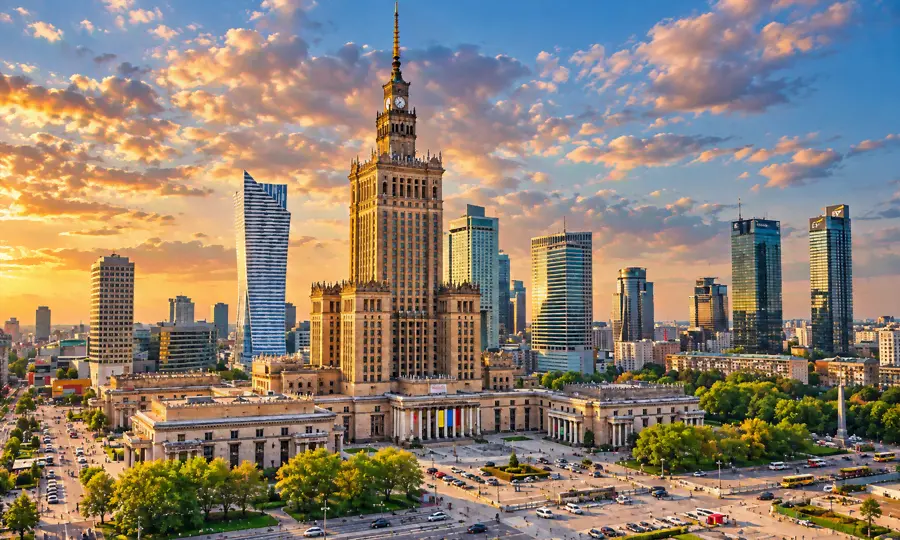
Warsaw is a phoenix city, perhaps the most dramatic in Europe. Almost completely wiped off the face of the earth during World War II, it rose from the ashes thanks to the incredible resilience of its residents. Today, the Polish capital is a living example of how to carefully reassemble the pieces of its past and harmoniously integrate it into the rhythm of a modern metropolis. Here, majestic royal residences stand side by side with memorials reminding us of the price of freedom, and mirrored skyscrapers are reflected in the waters of the Vistula. Warsaw is surprising because history here doesn't gather dust in textbooks, but lives openly on the streets.
What to see in Warsaw first
To truly experience Warsaw's character and understand its essence, it's worth starting with its "calling cards." These places aren't just beautiful photo locations, but symbols of Polish identity. We've compiled a list of key landmarks that will help you see the capital's many facets: from medieval coziness to imperial grandeur.
1. Old Town
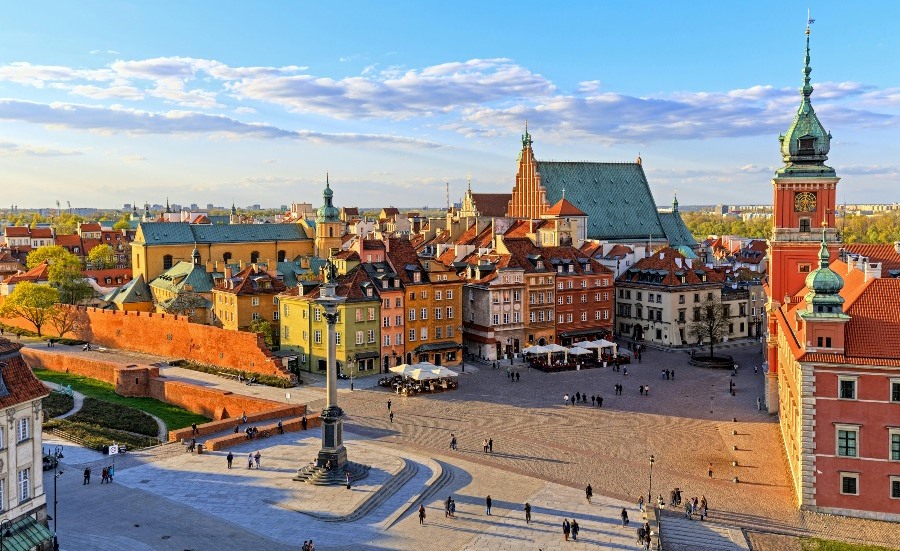
The Old Town (Stare Miasto) is the heart of Warsaw and the main symbol of its incredible rebirth. After the war, only ruins remained of this district, but restorers achieved the impossible: they rebuilt it with meticulous precision using old blueprints, photographs, and even paintings. Today, strolling along the narrow cobbled streets past the colorful facades of houses and fortress walls, it's hard to believe that all of this was rebuilt. For this unprecedented effort, the Old Town was inscribed on the UNESCO World Heritage List. It is the best place to feel the spirit of old Warsaw and admire the strength of human will.
2. Royal Castle
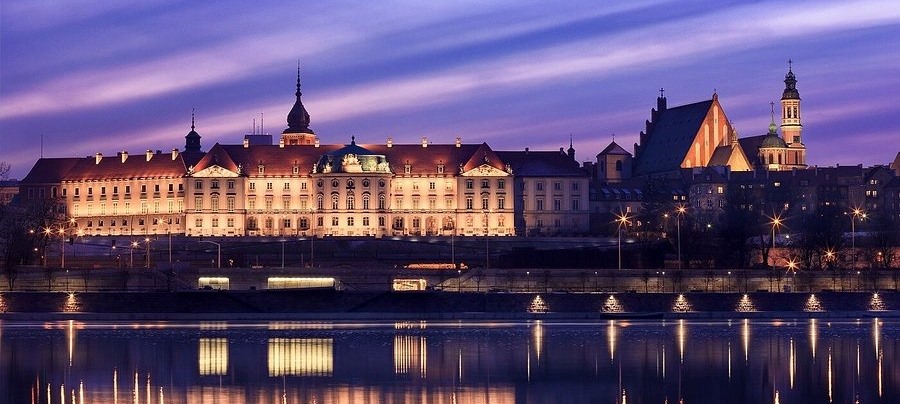
For centuries, the Royal Castle was the center of Polish political life: monarchs were crowned here, momentous laws were passed, and the Sejm (parliament) met here. Like most buildings in the center, the castle was destroyed, but in the 20th century, it was completely restored to its former splendor. Today, a museum opens inside, where you can explore the luxurious state rooms and royal apartments, see priceless paintings and historical relics. The rich decor and attention to every detail allow visitors to literally touch the history of the Polish monarchy and experience the grandeur of Warsaw as a capital city.
3. Castle Square
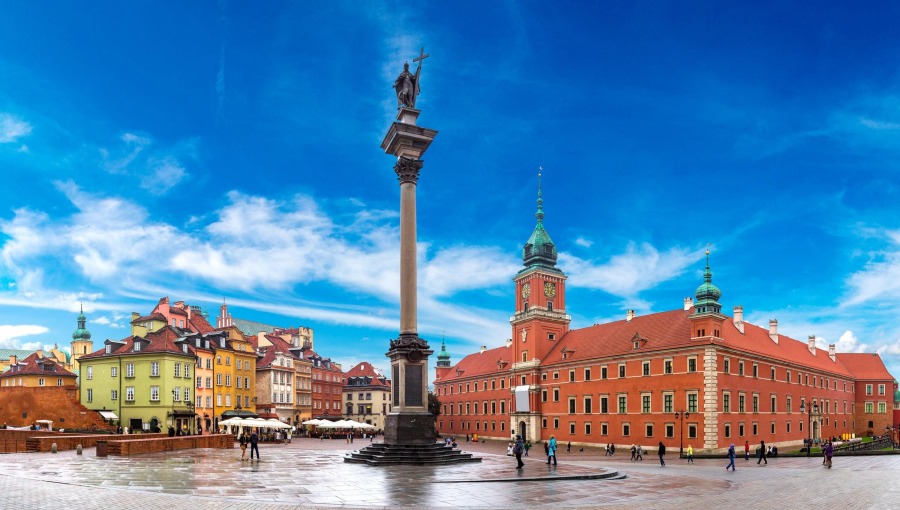
Castle Square is the intersection of past and present, where the Old Town meets modern tourist destinations. In the very center of the square stands the famous Column of King Sigismund III Vasa, considered one of the oldest and most recognizable monuments in the city. A special festive atmosphere always reigns here: the square often hosts national holidays, fairs, and festivals. For tourists, it is an ideal landmark and a wonderful place to simply sit on the steps and watch the city go by.
4. Market Square
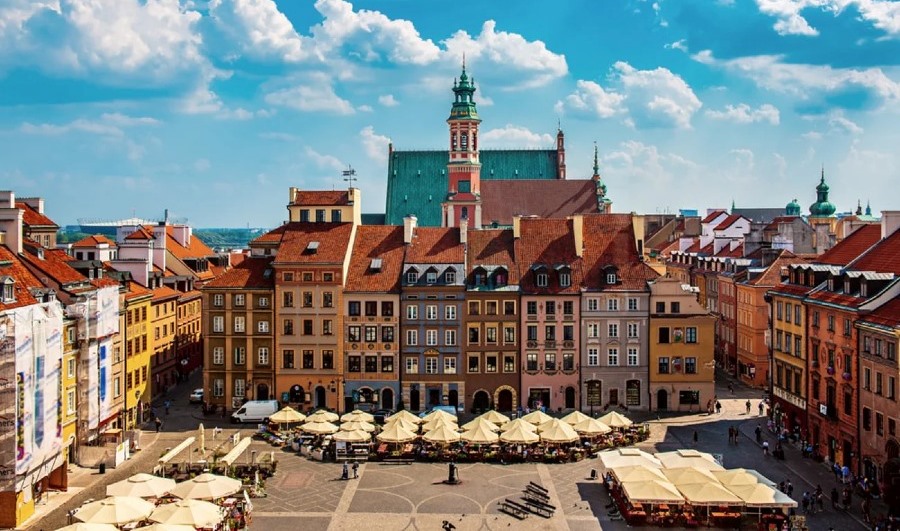
If you're looking for the most photogenic and vibrant place in the city, then the Market Square is the place to go. It's surrounded by charming houses, each painted a different color and boasting a unique architectural flair. In the center of the square stands a monument to the Warsaw Mermaid—the legendary protector of the city, whose image can be seen throughout the capital. It's the perfect location for a leisurely lunch in one of the cozy cafes, souvenir shopping, or exploring street art. In the summer, the square turns into a veritable festival with musical performances and open-air terraces.
5. Warsaw Barbican
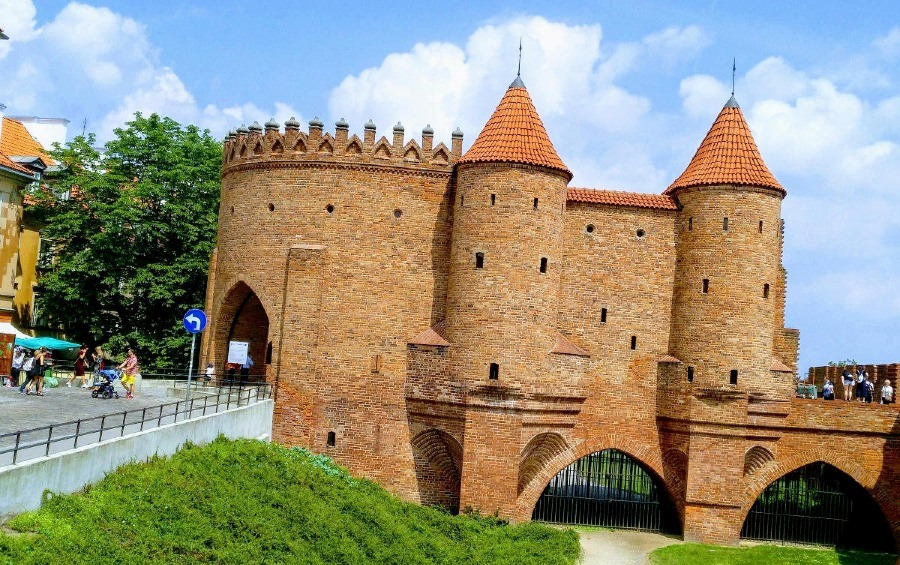
The Warsaw Barbican is a stern and majestic part of the ancient fortifications that once protected the entrance to the city. This massive semicircular red brick structure connects the Old Town with the New Town. After the war, it was restored to its historical appearance using the original bricks from destroyed buildings. Today, the Barbican is a favorite place for strolls and art exhibitions. Walking through its arches, it is easy to imagine what Warsaw's defensive system looked like in the distant Middle Ages.
6. Wilanów Palace
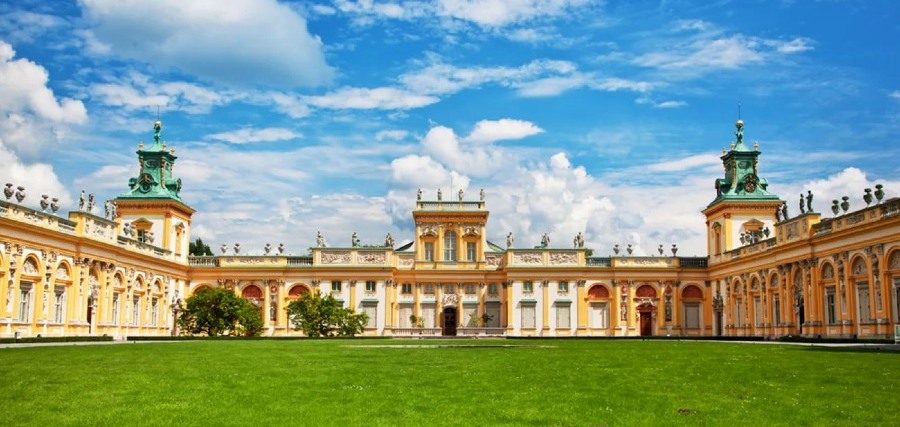
Wilanów Palace is often called the "Polish Versailles," and the comparison is entirely justified. This country royal residence, built in the 17th century for Jan III Sobieski, miraculously survived the World Wars. The palace dazzles with its Baroque architecture and exquisite interiors, filled with frescoes and objets d'art. It is surrounded by a magnificent two-level park, where the austere French lines harmoniously blend with the English landscape. A visit to Wilanów offers an opportunity to see the ceremonial, aristocratic side of Polish history.
7. Warsaw Citadel
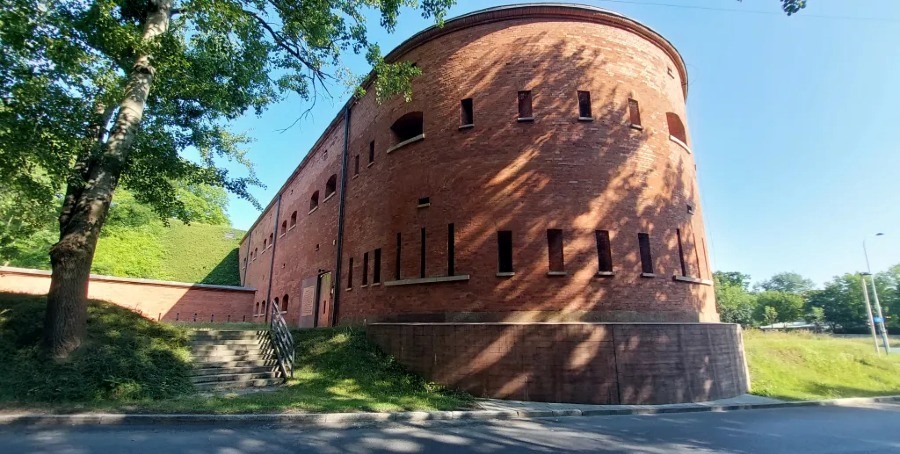
The Warsaw Citadel is a place with a very complex energy. Built in the 19th century as a powerful military fortification, it long served not only as a fortress but also as a prison for fighters for Polish independence. Today, the vast grounds of the citadel are open to the public. The museums and memorial complexes located here tell the story of the most tragic and heroic chapters of the country's history. This is an important site for those who want to gain a deeper understanding of Poland's path to freedom and honor the memory of those who fought for it.
8. Warsaw Uprising Monument
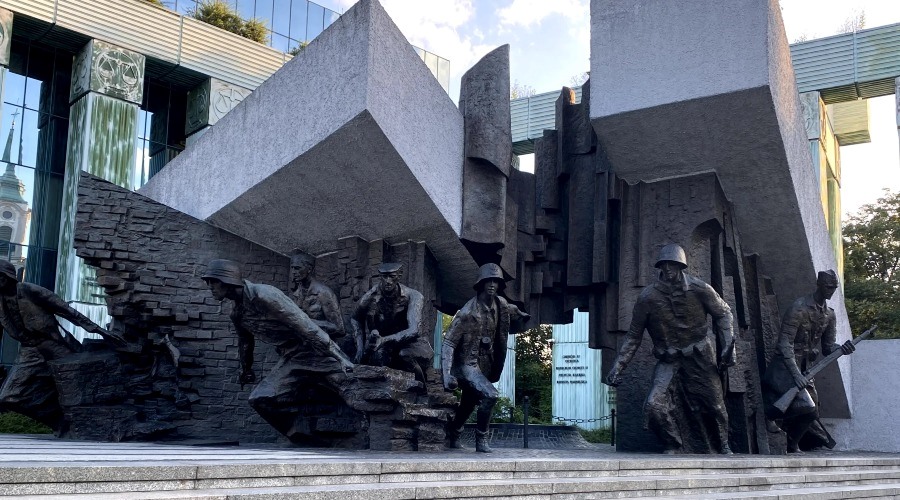
The Warsaw Uprising Monument is one of the most powerful, emotionally charged monuments in the city. It is dedicated to the heroes of 1944, who fought for 63 days to liberate the capital under virtually hopeless conditions. The sculpture, depicting insurgents emerging from ruins and descending into the canals, literally conveys the tension and courage of that time. This place makes one pause and reflect on the price of peace, and for Varsovians, it is a sacred place of national memory.
9. Church of St. John the Baptist
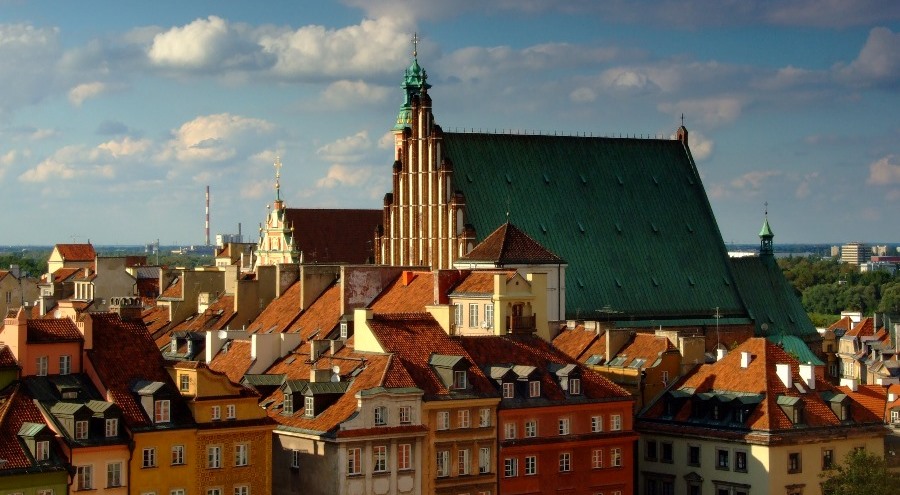
The Cathedral of St. John the Baptist is Warsaw's main Catholic church, located in the heart of the Old Town. Its Gothic vaults have witnessed the coronations of kings and the burials of Poland's greatest sons. Although the cathedral had to be rebuilt practically from the ground up after the war, architects managed to restore its austere and solemn appearance. An atmosphere of tranquility and spiritual grandeur reigns within, and the cathedral itself remains the country's most important religious center.
10. Church of the Holy Cross
The Church of the Holy Cross is known to every music lover, as it was here, according to the composer's last will, that the heart of the great Fryderyk Chopin was buried. The church is located on Krakowskie Przedmieście and attracts attention with its elegant Baroque architecture and the famous figure of Christ carrying the cross at the entrance. The interior of the church is very restrained, yet elegant. This place has become a true pilgrimage destination for tourists from all over the world wishing to experience Poland's musical heritage.
Warsaw Attractions: What Else to Visit While in the City
- St. Casimir's Church is an elegant Baroque church in the New Town, captivating with its simplicity and tranquility, ideal for contemplation.
- St. Anne's Church is one of the most beautiful churches in the city, with a stunning interior. Don't be lazy and climb its bell tower—the view of Castle Square from there is simply the best.
- The Copernicus Science Centre is a place that will captivate both children and adults. It's a huge interactive world where you can test the laws of physics and chemistry for yourself.
- The Palace of Culture and Science is a gift from the Soviet era that still stirs controversy, but remains Warsaw's most recognizable building. The observation deck on the 30th floor is a must-see.
- The Fryderyk Chopin Museum is a state-of-the-art multimedia museum where the life of the great pianist is presented through sounds, manuscripts, and personal belongings.
- The Maria Skłodowska-Curie Museum is located in the house where the legendary scientist was born. A small but inspiring museum about the life of a woman who won the Nobel Prize twice.
- The Polish Army Museum is a paradise for lovers of history and military equipment. It houses a colossal collection of weapons and uniforms from various eras.
- Ujazdów Castle is a place for lovers of beauty. Today, it houses the Center for Contemporary Art, which always hosts unusual exhibitions.
- Łazienki Palace is the famous "palace on the water," which looks magical at any time of year. It is the pearl of Łazienki Park.
- Łazienki Park is a vast park where you can feed squirrels, meet peacocks, and listen to Chopin concerts in the open air. A favorite recreation spot for all Varsovians.
Warsaw is a city that knows how to surprise. Here, a history of rebirth lurks around every corner, and modern energy is in full swing. Visiting its landmarks will reveal more than just beautiful buildings, but the soul of a nation that has managed to preserve itself despite all difficulties.
To ensure your trip to Warsaw is easy and leaves only pleasant memories, we recommend contacting the online travel agency TurPoisk. We'll help you quickly find the best tours, select comfortable hotels, and organize engaging excursions so you can fully immerse yourself in the atmosphere of the Polish capital without the hassle.


