
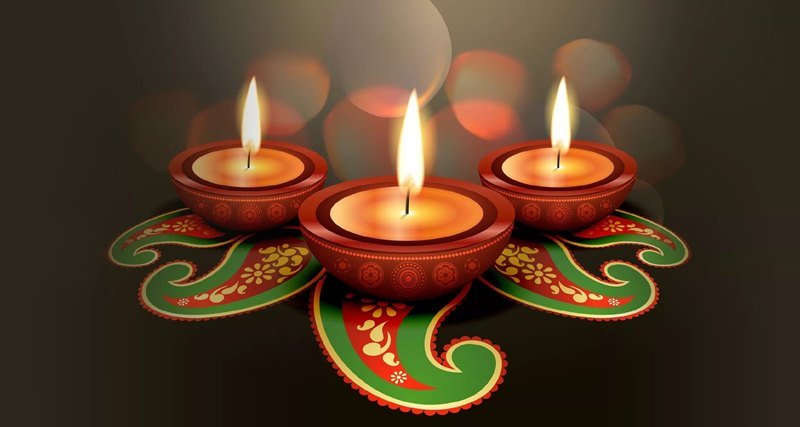
Diwali (Deepavali) in India is one of the largest festivals of Hinduism, which is celebrated with great enthusiasm. The celebration lasts 5 days in a row, and the third day is considered the key one, as the Festival of Lights takes place during this time. During this festival, colorful fireworks are displayed, traditional oil lamps (deepas) and candles are lit around houses to attract the blessings of the goddess of wealth and prosperity, Lakshmi. Deepavali is often associated with the European New Year.
History of origin and essence of the holiday
Diwali, or the Indian festival of lights, has a rich history filled with legends, most of which originate from Hindu religious texts. These legends are based on the main theme - the triumph of good over evil. Deepavali also marks the end of the monsoon season and the onset of winter. Farmers are finishing their harvest, and traders are preparing for long journeys. An important aspect of this time is the veneration of the goddess of abundance, wealth and prosperity - Lakshmi.
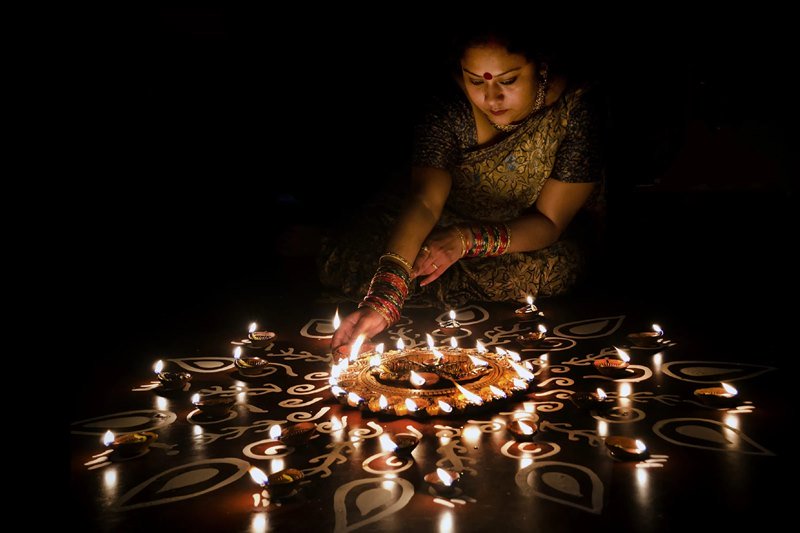
The lighting of candles during Diwali in India has deep symbolism. For followers of Hinduism, darkness symbolizes ignorance, while light represents a metaphor for knowledge. Light is a means of revealing the beauty of the world. Most religions associate light with positive experiences. Thus, lighting candles symbolizes deliverance from negative forces such as wickedness, violence, lust, anger, envy, bigotry, fear, injustice, oppression and suffering. Lighting a lamp is seen as a form of worship of god to achieve health, wealth, knowledge, peace, valor and glory.
Five days of Diwali
Day 1: Dhanvantari Trayodashi (Dhana-Trayodashi)
This day is associated with the birth of the god Dhanvantari, who emerged from the ocean to give humanity the knowledge of Ayurveda. At the end of this day, Hindus refresh themselves in the customary manner, offer a lighted lamp containing prasadam (food offered to the god) to God Yamaraja, the lord of Death, and pray for protection from premature death. This ritual should take place near a Tulasi tree or other sacred tree growing in the yard. On this day it is also customary to buy jewelry and dishes.
Day 2: Naraka Chaturdashi (Chhoti-Diwali)
This day celebrates the triumph of the god Krishna over the demon Narakasura and the liberation of the world from the threat. This moment is celebrated with colorful fireworks. It is recommended to have a relaxing oil massage to get rid of fatigue, take a bath and enjoy a well-deserved rest to celebrate Diwali with full energy. Although according to the sastras it is not recommended to light a diya lamp on this day, some still make this mistake by thinking that the diya should always be lit before Deepavali.
Day 3: Diwali - Lakshmi Puja
The most significant moment of the festival, namely the day of Diwali, is celebrated by worshiping Mother Lakshmi. An important factor is perfect cleanliness in the house, since Goddess Lakshmi prefers well-maintained houses and visits the most tidy one first. Lanterns and lamps are lit in the evening to attract the attention of the goddess and illuminate her path. The sounds of bells and drums echo from the temples. Fireworks go off in the afternoon.
Lakshmi Puja (Sanskrit: पूजा, Pūjā - “worship”, “prayer”) is a complex worship of five deities: Ganesha (the god of wisdom and prosperity); three manifestations of Lakshmi - Mahalakshmi (goddess of wealth and prosperity), Mahasaraswati (goddess of knowledge and learning), Mahakali (warrior goddess, protector from hostile forces); Kubera (guardian god of treasures buried in the earth).
Day 4: Govardhan Puja Ceremony
The fourth day of the festival is dedicated to the worship of Govardhan Hill and King Bali Maharaja. On this day, it is remembered how Lord Krishna raised the Govardhan Parvat to protect the people of Gokul from the wrath of Indra. This day also marks the coronation of King Vikramaditya. In temples, deities are given milk baths and dressed in luxurious outfits decorated with diamonds, pearls, rubies and other precious stones. After this, sweets are offered to the deities, and then common prasad is made for all visitors.
Day 5: Yama-Dvitiya or Bhaya-duja
The last day of Diwali is celebrated as a sign of love between brothers and sisters. Sisters prepare tasty treats for their brothers, pray for their long and happy lives, and brothers bless their sisters and give them carefully chosen gifts.
Diwali celebration dates
Every year the dates of the festival change in accordance with the lunar calendar. According to the Hindu calendar, Diwali (the third day of the festival) falls on the new moon (Amvasya).
Diwali in 2023 is celebrated from November 10 to 15
2024 - from October 29 to November 3
2025 - from October 18 to 23
Traditions and customs of Deepavali
We will not go into details of preparing festive prasad and performing puja rituals, but we will tell you about several common traditions and customs associated with the festival of lights Deepavali.
Rangoli
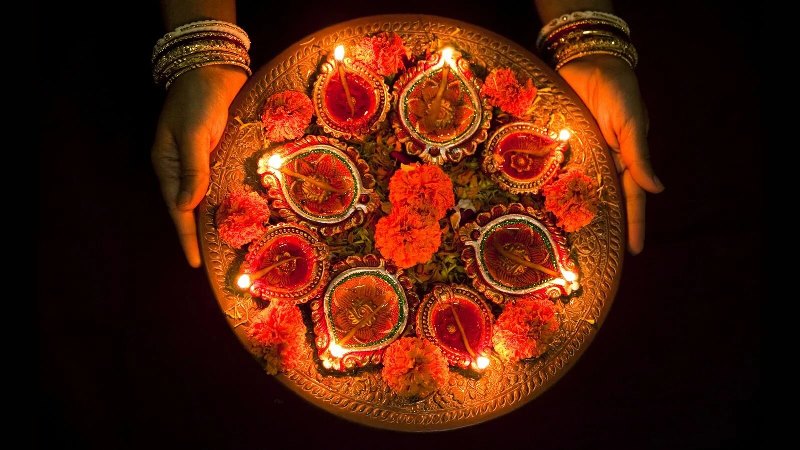
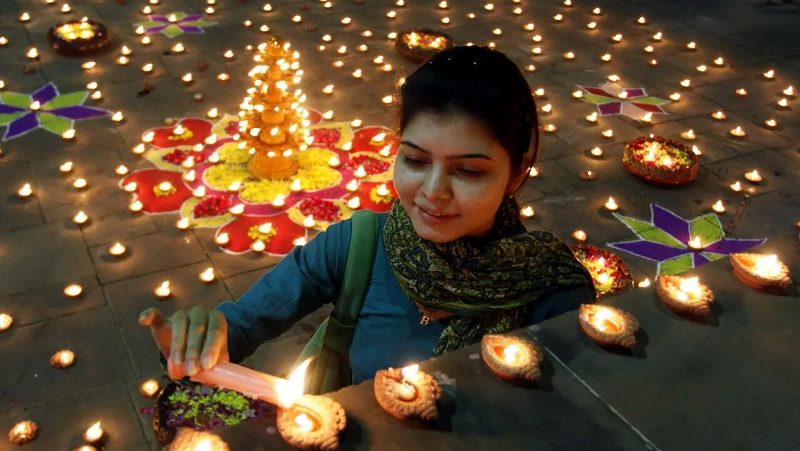
Rangoli is a unique art in India, which is a prayer design that decorates the floors and walls of homes. To create these ornaments, bright multi-colored powders, flour and cereals are used. Rangolis are so popular that competitions to create them are even held in schools and offices. In houses it is also customary to draw footprints on the floor with flour, symbolizing the expectation of the arrival of the goddess Lakshmi.
Lanterns and lamps
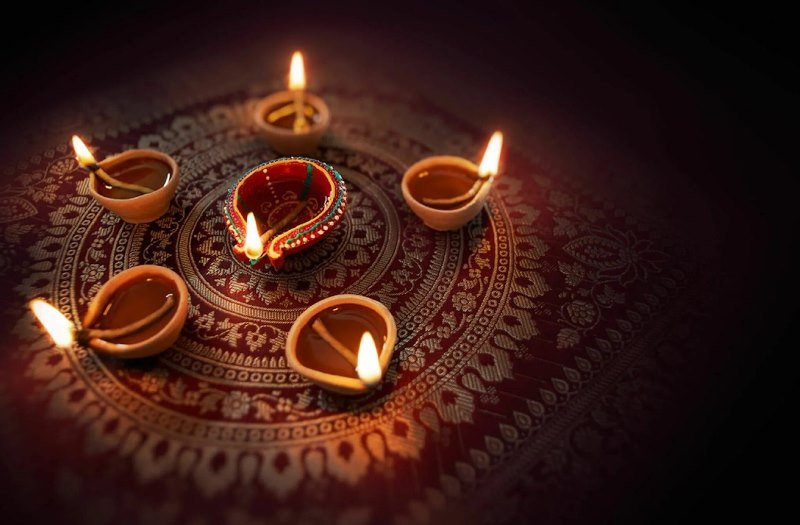
Deepavali literally means “row of lamps” in Sanskrit. The most characteristic tradition of this festival is the lighting of many small earthen lamps known as diyas (or diya, deepa, deepam or diwak). Vegetable oil or ghee is poured inside the diya and a cotton wick is placed in it. It is easy to make such lamps yourself by simply pouring a small amount of ordinary vegetable oil into a suitable form and placing a long piece of cotton wool, rolled up in the shape of a pasta, in it. However, you should be careful not to place lamps near flammable objects.
Gambling entertainment
One of the most interesting customs during Diwali is the participation in gambling, especially popular in North India. It is important to remember that these games are not played to win money, but for fun. According to legend, on this day, Goddess Parvati played dice with her husband Shiva and determined that whoever bets on the night of Deepavali will enjoy prosperity for the entire next year. There is also a popular claim that one who does not engage in gambling on Diwali will be born as a donkey in his next life. Casinos and local gambling dens are busy throughout the week during Diwali.
Pyrotechnic products and fireworks
The tradition of holding fireworks during Diwali, although not ancient, is already closely integrated into the essence of this festival of light. It is believed that colorful flashes and sounds of fireworks scare away all negative energies from life, bringing joy and light.
Gift exchange
Giving gifts has always represented an important ritual of the holiday. During Diwali, this act becomes especially meaningful, strengthening the bond with family members, friends and loved ones. Gift options are varied, but the most popular are: sweets, items of religious symbolism, diya lamps, silver and gold jewelry, new clothes and unique designer cards.
The process of taking a bath is like a cleansing ritual
During the second day of Diwali, before sunrise, it is traditional to perform a bath ceremony using oil and ubtan - a mixture of nuts, flour, herbs and oils. This ritual is intended not only to physically cleanse the body, but also to provide peace and relaxation in order to meet the upcoming holiday with full energy.
Where is Diwali celebrated
Diwali is a significant event in Hinduism, Jainism and Sikhism, and is celebrated where large communities of followers of these religions exist: India, Bangladesh, Sri Lanka, Kenya, Nepal, Malaysia, South Africa, Trinidad and Tobago, Guyana, as well as Mauritius and Fiji. With the increasing number of Indian immigrants and followers of the above-mentioned religions, Diwali is also celebrated in California, Seattle (USA), London (UK) and Singapore. However, the best Diwali experience can be had in India!


