
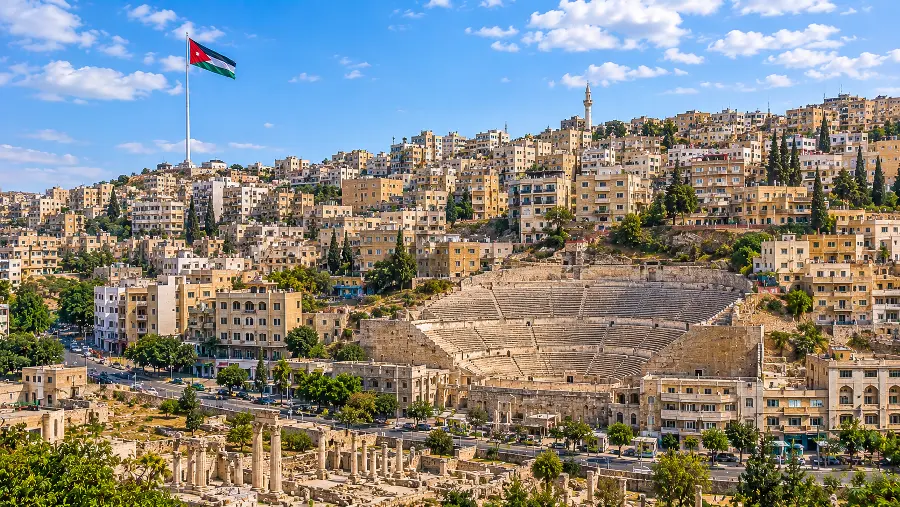
Jordan's capital, Amman, is a city of pale stone houses stacked up the slopes of its many hills, or jabals. In the Iron Age it was Rabbath Ammon, seat of the biblical Ammonites; the Greeks renamed it Philadelphia, and the Romans left a theatre in the valley that still seats thousands. Amman began on seven hills and now spreads across nineteen, and from almost any summit you can see minarets rising beside the glass towers of the new Abdali district. Most travellers treat Amman as a single night before Petra or the Dead Sea, yet the city easily rewards two or three unhurried days. This guide covers what to see in Amman and nearby: 20 places, from the Roman citadel to desert canyons.
What to See in Amman First
The oldest layers are packed into the downtown valley, known locally as al-Balad, and onto Citadel Hill above it. From there, stairways and narrow lanes climb to Jabal Amman with Rainbow Street, or to arty Jabal al-Weibdeh. The newer western districts, with their malls and embassies, are mostly worth a trip for dinner. The hills are steep and pavements often vanish, so yellow cabs or ride-hailing apps are the easiest way between neighbourhoods. Friday is the weekly day off, so many shops stay shut in the morning, but downtown is at its liveliest in the evening.
1. The Citadel on Jabal al-Qal'a
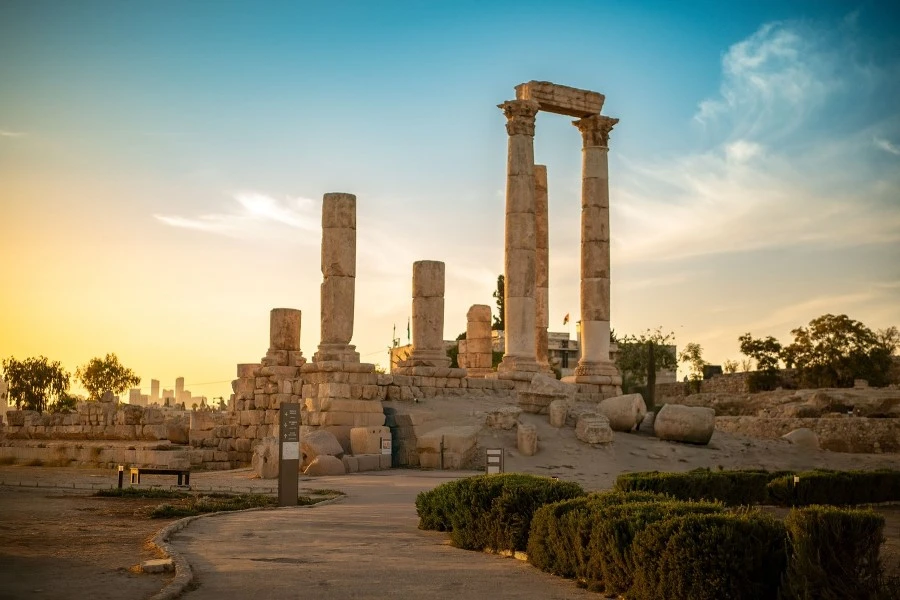
People settled this hilltop in Neolithic times and walled it in the Bronze Age. Its landmark is the row of columns from the Temple of Hercules, raised in the AD 160s. Nearby lie fragments of a colossal statue, a hand with fingers and an elbow so large that visitors pose beside them for full-length photos; the rest of the figure was probably lost to an earthquake.
Further along is the 8th-century Umayyad palace, whose domed audience hall has been rebuilt by restorers, together with a huge water cistern. A small archaeological museum sits among the ruins, and from the edge of the hill you look down on the Roman theatre and across to a Jordanian flag flying from a pole almost 127 metres tall. Aim to be there in the last hour of daylight, as the white houses on the opposite slopes turn the colour of honey.
2. Roman Theatre and Hashemite Plaza
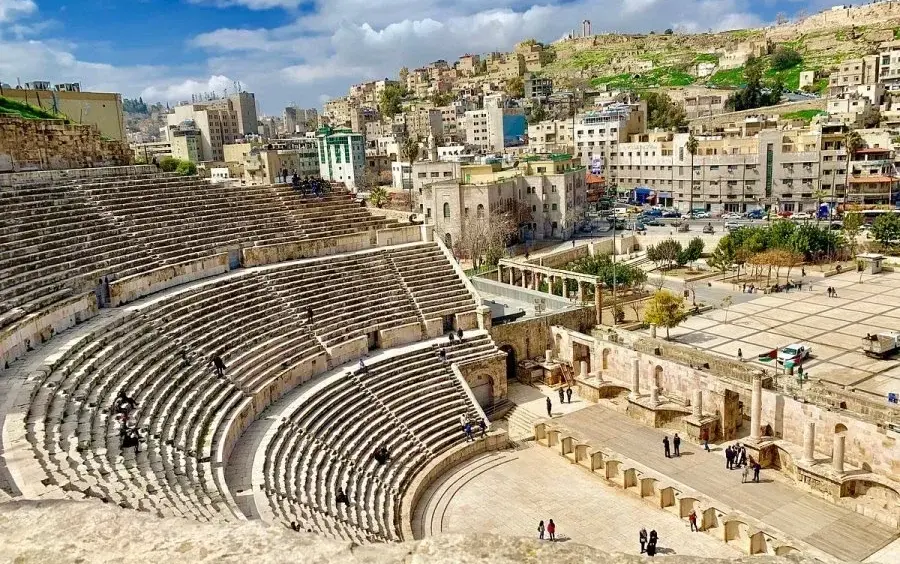
Built into the hillside in the mid-2nd century AD and dedicated to Emperor Antoninus Pius, the theatre holds 6,000 people. Its tiers face north so that the sun never blinded the audience, and the acoustics are good enough for a whisper on stage to reach the back rows. Climb to the very top for a perfect view of the Citadel, then take the steep steps down slowly.
Two small museums occupy the theatre's side vaults, displaying traditional dress, jewellery and Bedouin household objects. In front stretches Hashemite Plaza, with fountains and benches where families stroll after dark, and on its east side stands the Odeon, an intimate 500-seat Roman hall once used for music.
3. Downtown, the Souks and the Nymphaeum
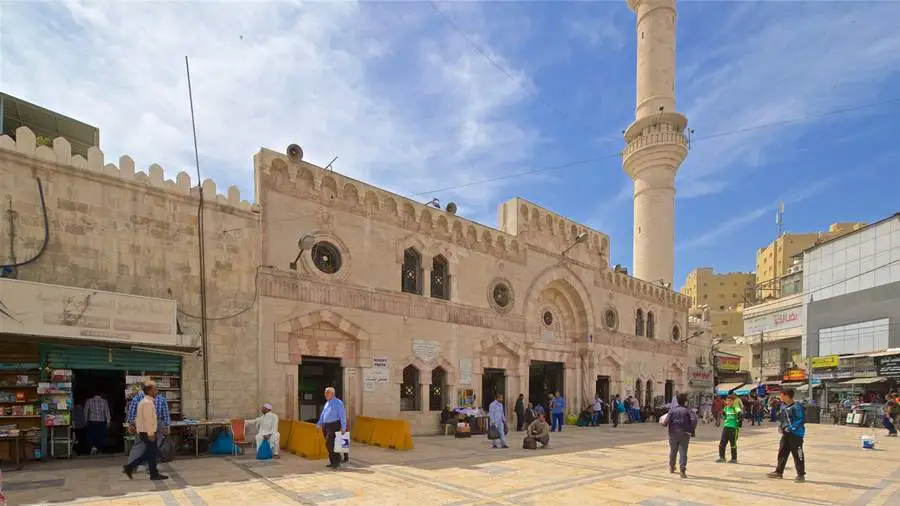
The old town revolves around the pink-stone al-Husseini Mosque, which Emir Abdullah I rebuilt in 1924 where a far earlier mosque once stood. Around it run the gold sellers, spice and coffee merchants, the sugar market piled with halva and dried fruit, and stalls selling everything from brass coffee pots to T-shirts printed with royal portraits.
A short walk away, right beside a busy road, stand the remains of the Nymphaeum, a Roman fountain that once fronted a 600-square-metre pool. For lunch, do as Ammanis do: falafel and hummus at a long shared table in a no-frills diner, followed by knafeh, warm cheese in fine pastry soaked in sugar syrup.
4. Rainbow Street and Jabal Amman
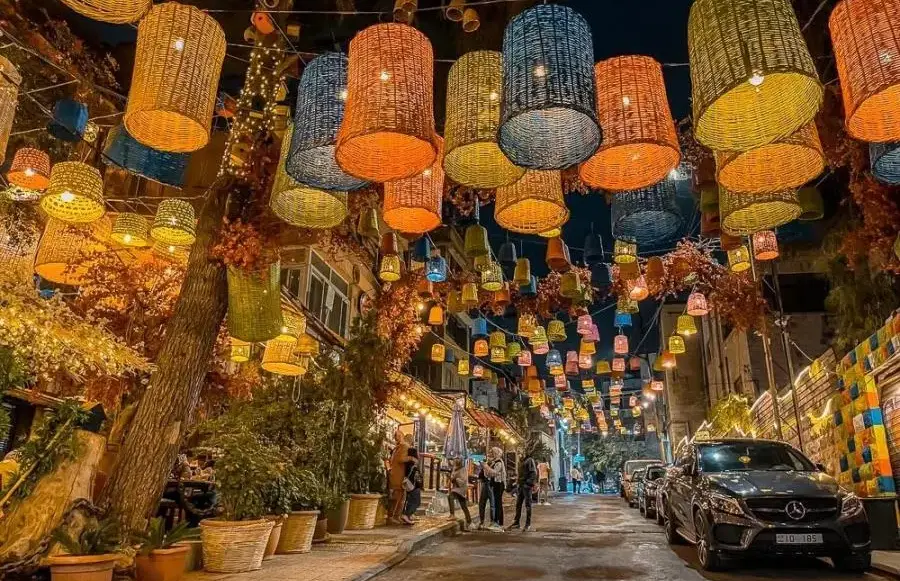
From First Circle, as the roundabouts are numbered here, Rainbow Street runs east and fills up every evening. Old villas of honey-coloured stone now house cafés, bookshops, designer boutiques and restaurants with rooftop terraces that look across the valley to the Citadel. People smoke shisha, sip mint tea and argue about football until midnight.
On summer Fridays the nearby Souk Jara fair brings crafts, street food and live music. The rest of the week, simply wander the lanes of Jabal Amman: mural-covered staircases drop down towards downtown, and several villas from the 1920s and 1930s keep their patterned tiles and wrought-iron grilles dating back to the British Mandate.
5. King Abdullah I Mosque
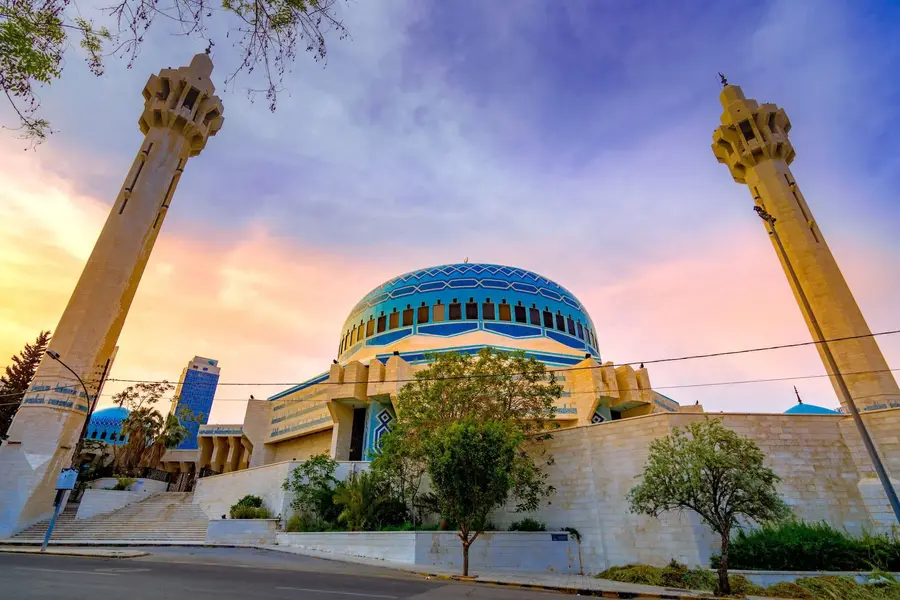
The blue mosaic dome of this mosque can be spotted from many hilltops. It went up between 1982 and 1989 in memory of the kingdom's founder, and up to 3,000 worshippers can pray beneath it at once. Inside, a vast chandelier hangs below a band of Arabic calligraphy that circles the dome.
Few mosques in Amman welcome tourists as readily outside prayer times. Women are given a long hooded robe at the entrance, men need trousers to the ankle, and shoes go on the racks. A small museum of Islamic art sits alongside, and a Coptic church stands just across the road, a neat illustration of how faiths share the city.
6. The Jordan Museum
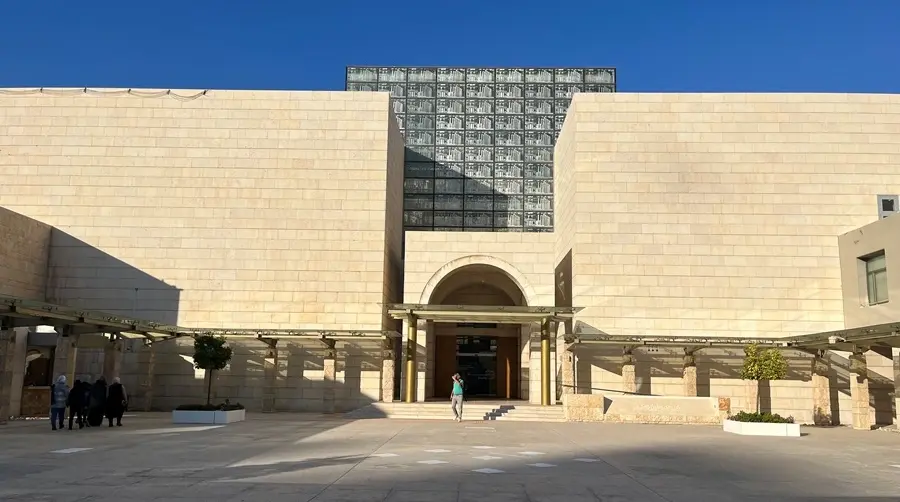
Jordan's largest museum opened in 2014 in a modern building of local stone. Its prize exhibits are the Ain Ghazal statues: human figures of lime plaster over reed, with painted eyes, made some nine thousand years ago; they rank among the oldest big human figures archaeologists have ever unearthed.
A separate hall displays fragments of the Dead Sea Scrolls, alongside the unique Copper Scroll, an inventory of hidden treasure. The galleries lead from early hunters through the Nabataeans of Petra and Roman Philadelphia to the modern kingdom, so it pays to come here at the start of a trip and see the rest of the country with that background in mind.
7. Jabal al-Weibdeh and Darat al-Funun
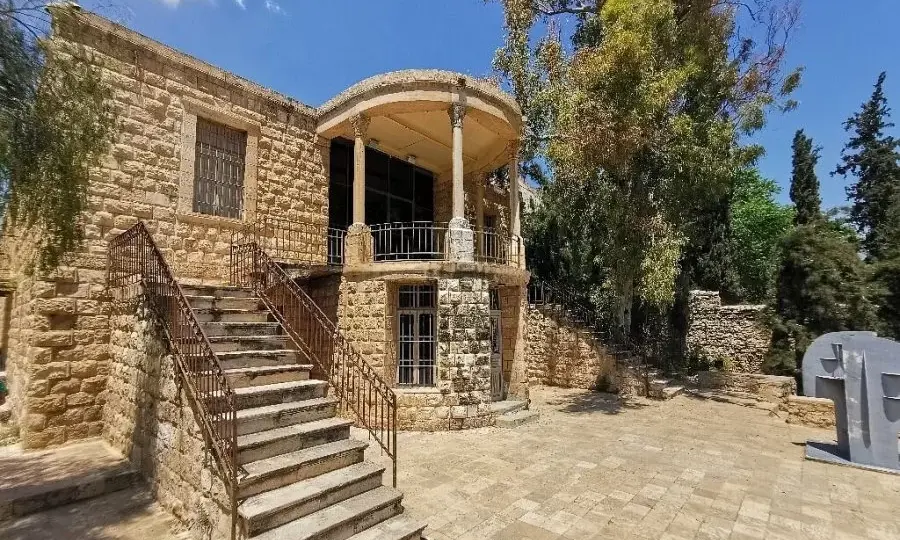
One of Amman's oldest residential quarters has become a favourite of artists and students. Expect quiet streets draped in bougainvillea, small galleries, bookshops and cafés in old houses, and not a free table around the round Paris Square in the evening.
The essential address is Darat al-Funun, the "house of arts": a cluster of restored early 20th-century villas set in a garden that also holds the ruins of a Byzantine church. Its rooms show contemporary Arab artists, and the terrace frames the Citadel and downtown better than almost anywhere else.
8. Jerash
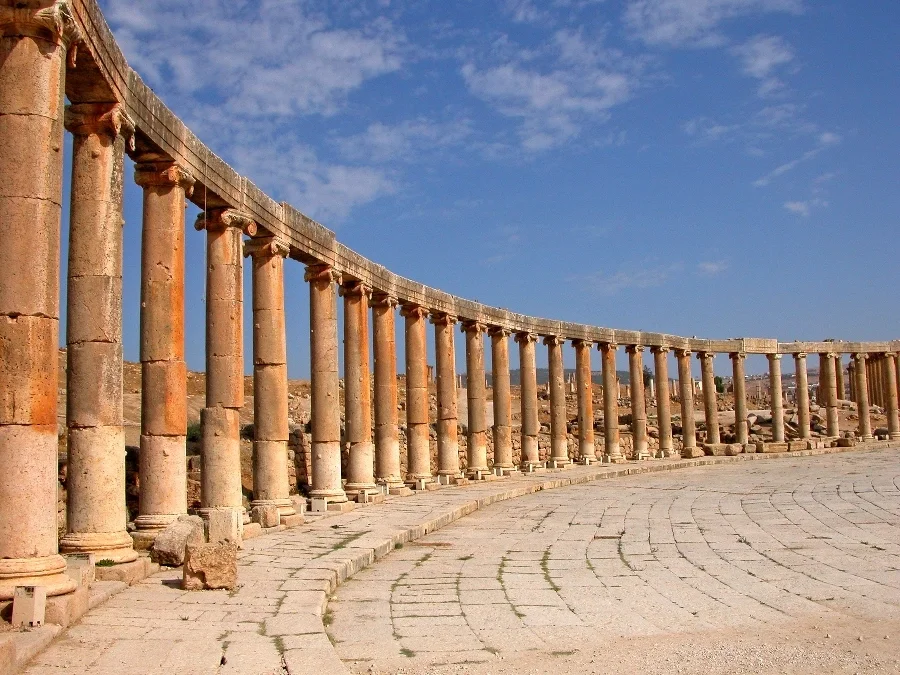
Forty-eight kilometres north lies ancient Gerasa, a Roman city preserved better than almost any other in the region and once a member of the Decapolis league. You enter through Hadrian's Arch, built for the emperor's visit in AD 129–130, then reach the colonnaded Oval Plaza and the long main street, the cardo, where chariot wheels have left grooves in the paving.
Above the ruins rise the temples of Artemis and Zeus, two theatres and a hippodrome. Every summer the Jerash Festival stages concerts and plays among the ancient columns. Allow half a day, and on the way back you can stop at Ajloun Castle.
9. The Dead Sea
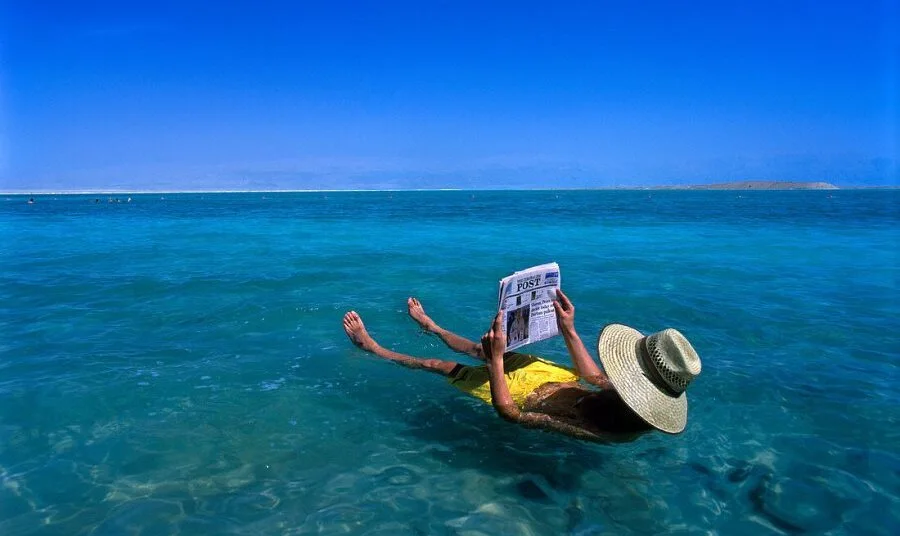
Getting there from Amman is roughly an hour's drive, during which the road drops well over a kilometre, from the capital's hills to the lowest dry land on the planet. The water is close to ten times saltier than the ocean, so sinking is impossible: lie back and you float as if in an armchair, newspaper optional. Bathers coat themselves head to toe in black mineral mud, then rinse it off under fresh-water showers on the beach.
Diving is not allowed, and keep the spray out of your eyes, as the salt stings. A string of resort hotels with private beaches lines the Jordanian shore, and the riverside baptism site known as Bethany Beyond the Jordan lies close by. At sunset the sun drops behind the hills on the far shore and the water turns pink.
10. Petra
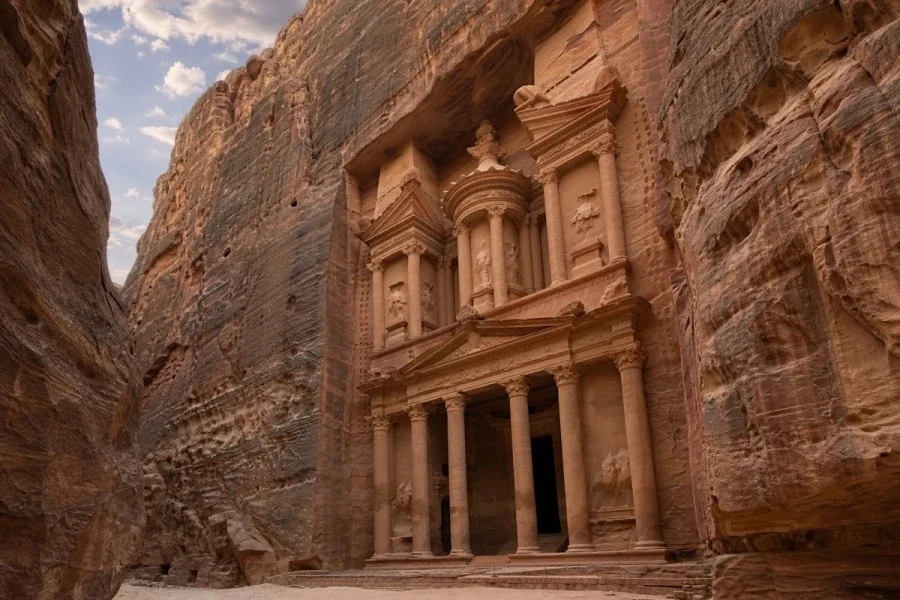
The Nabataeans' "Rose City" lies about 236 kilometres south, roughly three hours along the Desert Highway. Its builders arrived some four centuries before Christ and carved temples, tombs and water channels straight into the sandstone. Petra carries UNESCO World Heritage status and was voted one of the New Seven Wonders of the World; our separate article on Petra in Jordan tells its story in more detail.
The path follows the Siq, a narrow gorge whose walls close in to just a few metres apart, until the Treasury's carved front appears through the cleft. Give Petra at least a full day, ideally two with a night in Wadi Musa, so you still have the legs for the hundreds of steps up to the Monastery. Further south lie the Wadi Rum desert and, beyond it, Aqaba on the Red Sea.
Amman Landmarks: What Else to See While You're in the City
- Madaba — the "city of mosaics", where the floor of St George's Church preserves a 6th-century mosaic map showing the Holy Land, with Jerusalem at its centre.
- Mount Nebo — the summit from which, according to the Bible, Moses saw the Promised Land, looking out across the Jordan Valley to the Dead Sea glittering below.
- Bethany Beyond the Jordan — the baptism site on the River Jordan, with Byzantine church ruins and Elijah's Hill, inscribed by UNESCO.
- Wadi Rum — "Moon Valley", a landscape of red cliffs and sand, where visitors sleep in Bedouin camps and film crews have recreated Mars.
- Ajloun Castle — a fortress raised in 1184 by one of Saladin's generals against the Crusaders, overlooking hills of olive groves.
- Qusayr Amra — an 8th-century Umayyad desert bathhouse whose frescoes show hunters, musicians and a starry sky, now a UNESCO site.
- Royal Automobile Museum — a collection of the dynasty's cars, from vehicles that reached Amman in 1916 to King Hussein's sports cars, in the park named after him.
- As-Salt — an Ottoman-era town of yellow stone houses 30 minutes' drive from Amman, also on the UNESCO list.
- Abdali Boulevard — a new district with a pedestrian promenade, malls and Amman's tallest towers.
- Wadi Mujib — a canyon in a biosphere reserve near the Dead Sea, where summer hikers wade up the riverbed between sheer walls.
What to See in Amman in 1 Day, 2 Days or 3 Days
Amman itself needs a day or two; add the Dead Sea and Petra and you need at least four. On a one-day visit, begin with the Citadel, walk down to the Roman Theatre, eat falafel downtown for lunch and finish the evening along Rainbow Street and in Jabal al-Weibdeh. Day two belongs to the Jordan Museum, the blue-domed mosque of King Abdullah I and a trip to Jerash. On day three, see Madaba and Mount Nebo, spend the afternoon floating at the Dead Sea, then head south to sleep near Petra.
The best seasons are spring, from March to May, and autumn, from September to November, when it is sunny without being scorching and the hills turn green after rain. Summer in Amman is hot and dry, though the altitude makes it easier to bear than the Dead Sea or Aqaba. Winters are cool and wet, and in some years the city even sees snow. Arabic is the language of the street, but English is widely understood in hotels and tourist areas. With more time in Jordan, add Wadi Rum and the coral reefs of Aqaba.
Free things to do in Amman include wandering downtown, Rainbow Street and Weibdeh, the mural stairways, Abdali Boulevard and the plaza in front of the Roman Theatre. Children enjoy the car museum, bobbing on the Dead Sea and a night in a Wadi Rum Bedouin camp. The national dish is mansaf, lamb in a sauce of tangy dried yoghurt over rice, served on enormous platters. Order it with mezze of hummus and baba ghanoush, manakish flatbreads with za'atar, shawarma and sweet knafeh, and wash it down with sage tea or cardamom coffee. In the evening, Amman comes alive on the terraces of Rainbow Street, in the cafés of Weibdeh and in rooftop bars across the western districts.
There are no nonstop flights from Ukraine to Jordan, so travellers usually change planes in Istanbul or Vienna. Queen Alia, the country's main airport, lies 30 kilometres south of the city. Ukrainian citizens need a visa, which can be issued on arrival at the airport or obtained online in advance as an e-visa, and passports need at least half a year of validity left. If you buy the Jordan Pass before arrival and stay at least three nights, the visa fee is waived, and the pass also covers more than forty sights, Petra and Jerash among them.
Jordan's own Red Sea coast is a short strip around Aqaba, while the western shore of the same gulf belongs to Egypt's Sinai. Booking agents at our TurPoisk online travel agency are able to arrange tours to Egypt, heading either to Sharm el-Sheikh and its reefs or to laid-back Dahab, where you can snorkel to the coral straight from the shore. For your first nights in Amman, our consultants can book a hotel too, so the ancient ruins and the sea become a single journey. To compare options for your dates, try the tour search. Tell us whether history or the beach matters more to you, and we will help you divide the days.


