
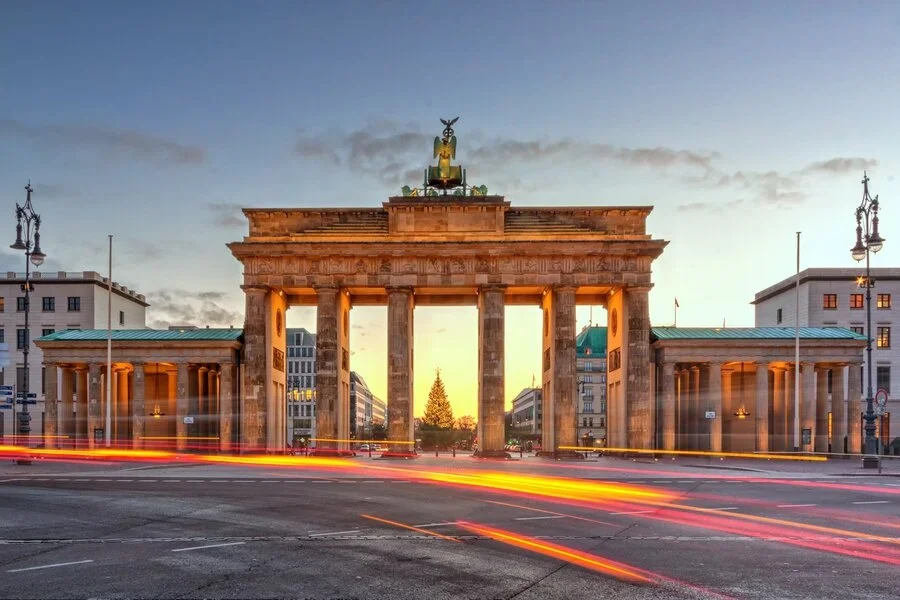
Istanbul straddles two continents, something no other city of its size can claim, and you feel it most clearly on the deck of an ordinary commuter ferry, a tulip-shaped glass of tea in hand, with Europe on one side and Asia on the other. Known in earlier lives as Byzantium and then Constantinople, it spent almost sixteen centuries as an imperial capital — Roman, Byzantine and Ottoman in turn — which is why Byzantine mosaics share the city with sultans' palaces and hundreds of minarets rise above the rooftops of the old quarters. Yet Turkey's great metropolis is anything but an open-air museum: think noisy bazaars, fish restaurants by the water, creative neighbourhoods full of galleries and cafés, and a nightlife that keeps going until dawn. For first-timers trying to decide what to see in Istanbul, this guide sets out the priorities.
What to see in Istanbul first
A glance at the map shows that most of the big Istanbul attractions sit in the historic Sultanahmet district on the European shore: Hagia Sophia, the Blue Mosque, Topkapı Palace and the Basilica Cistern are only a few hundred metres apart, so it makes sense to give them your first day. Across the Golden Horn lie Galata and Beyoğlu with the tower and İstiklal Avenue, while the Asian side, with Kadıköy and Üsküdar, is easiest to reach by ferry. Pick up an Istanbulkart travel card as soon as you arrive — it works on the metro, trams, funiculars and ferries alike. The ten places below are the ideal introduction to the city.
1. Hagia Sophia
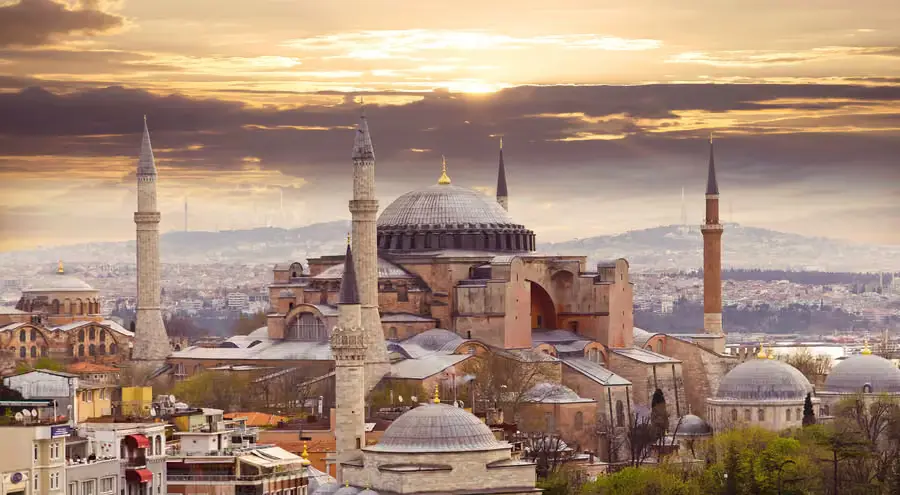
The Church of Holy Wisdom is Istanbul's defining landmark and one of the most important buildings in the history of architecture. Emperor Justinian had it raised in barely five years, between 532 and 537, to a design by two mathematicians and engineers, Anthemius of Tralles and Isidore of Miletus. Its colossal dome, more than 30 metres across, seems to hover in mid-air: a ring of windows around its base hides the supports, so the light appears to lift the vault clear of the walls. For close to a thousand years no Christian church on Earth was larger.
When Constantinople fell in 1453, Sultan Mehmed II turned the cathedral into a mosque, and four minarets were added over the following years. From 1935 it served as a museum, until a 2020 decision turned it back into a place of worship. Foreign visitors now use a separate entrance: a €25 ticket takes you up to the galleries, where Byzantine mosaics survive, the celebrated Deësis panel among them. The ground floor is reserved for worshippers, so access is restricted during prayers. Women should bring a headscarf, and everyone needs covered shoulders and knees.
2. The Blue Mosque
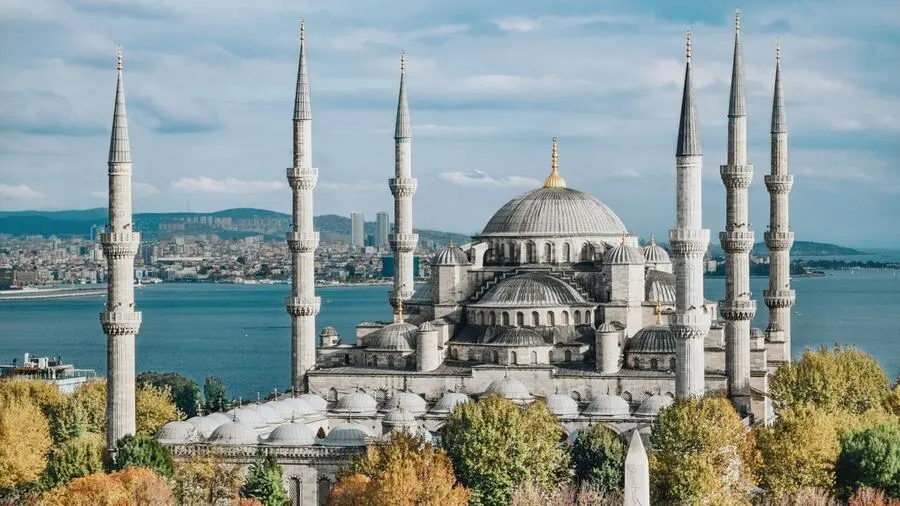
Facing Hagia Sophia across Sultanahmet Square stands the mosque of Sultan Ahmed I, known the world over as the Blue Mosque. The young ruler commissioned it in 1609–1616, and his architect Sedefkâr Mehmed Ağa, a pupil of the great Sinan, set out to outshine the Byzantine building next door. The nickname comes from the interior: more than 20,000 İznik tiles decorated with tulips, carnations and cypress trees cover the walls in shades of blue and turquoise, lit by over two hundred windows.
The mosque is famous for its six minarets — at the time only the holiest mosque in Mecca had as many. Legend says the sultan asked for golden minarets and the architect heard "six", since the Turkish words altın and altı sound almost the same. Entry is free, but this is a working mosque, so tourists are kept out during the five daily prayers, especially at Friday midday. Shoes come off at the door, and scarves and wraps are handed out to anyone who turns up in shorts.
3. Topkapı Palace
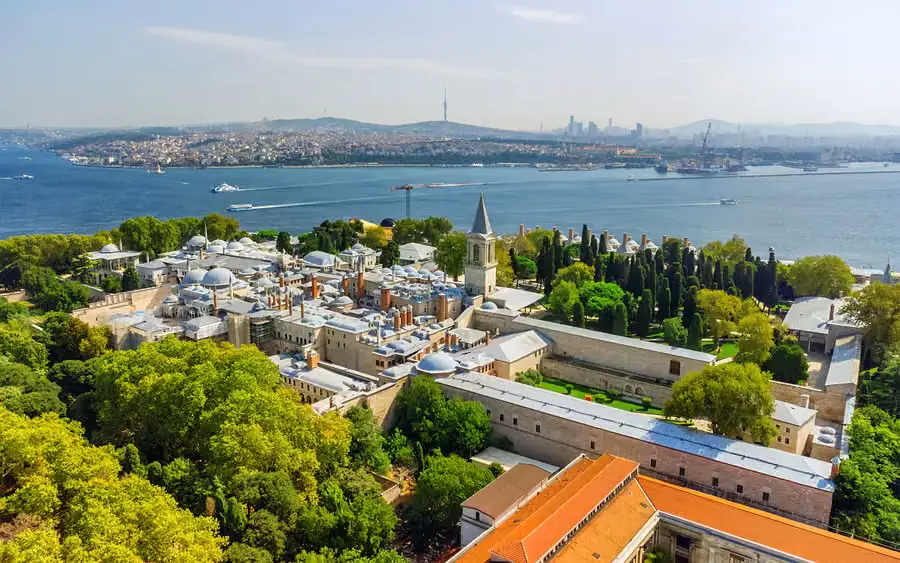
Just behind Hagia Sophia, on the Sarayburnu headland where the waters of the Bosphorus, the Golden Horn and the Marmara meet, lies Topkapı Palace, the main home of the Ottoman sultans for nearly four centuries. Mehmed II founded it soon after taking the city, and the court only moved out in 1856, to the new Dolmabahçe Palace. Rather than a single building, Topkapı is a small town of four courtyards, pavilions known as kiosks, kitchens that once cooked for thousands and gardens looking out over the water.
The biggest crowds gather in the Treasury, home to the 86-carat Spoonmaker's Diamond and the Topkapı Dagger with its huge emeralds, and in the hall of sacred Islamic relics. Set aside extra time for the Harem, a maze of rooms, corridors and inner courtyards where the sultan's family and concubines lived. The palace has been a museum since 1924; it is closed on Tuesdays, and with the Harem and the Byzantine church of Hagia Irene in the first courtyard you should budget at least half a day.
4. The Basilica Cistern
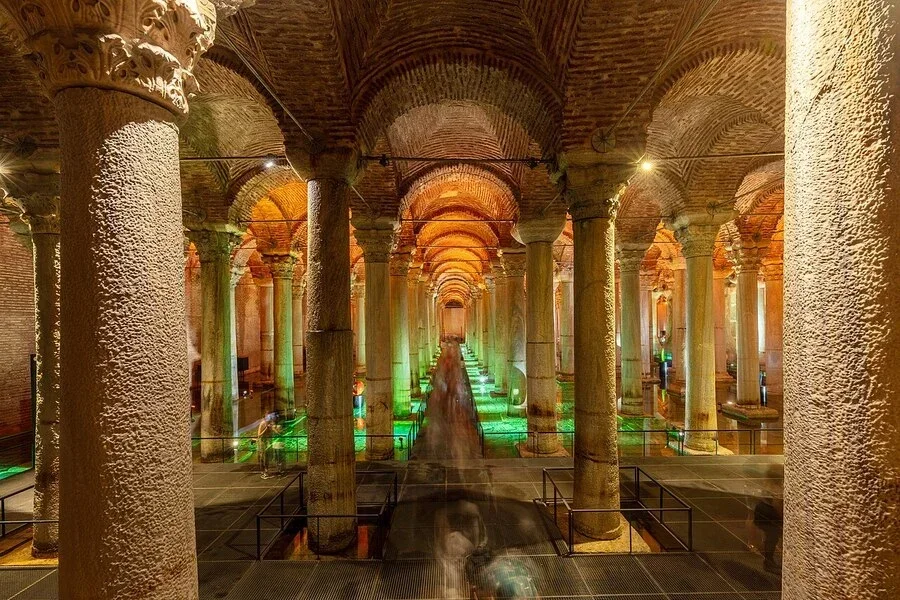
Beneath the streets of Sultanahmet hides one of the city's most remarkable sights: a 6th-century underground reservoir built under Justinian to supply water to the Great Palace of the emperors. The roof is held up by 336 columns standing in twelve rows, and in the half-light above the water they look like the nave of a flooded temple. Small wonder the Turks named it Yerebatan Sarayı, the palace that sank into the ground.
The best-known details wait in the far corner, where two columns stand on bases carved with the head of Medusa — one lying on its side, the other upside down, for reasons nobody can say for sure. Look out too for the "weeping" column, whose pattern resembles tears or peacock eyes and which is always damp. A restoration completed in 2022 added modern lighting and art installations, and the cistern has appeared on screen in a James Bond film and in the adaptation of Dan Brown's Inferno. Tickets are pricey, so if the queue is too long, try the smaller but equally atmospheric Şerefiye Cistern nearby.
5. The Grand Bazaar
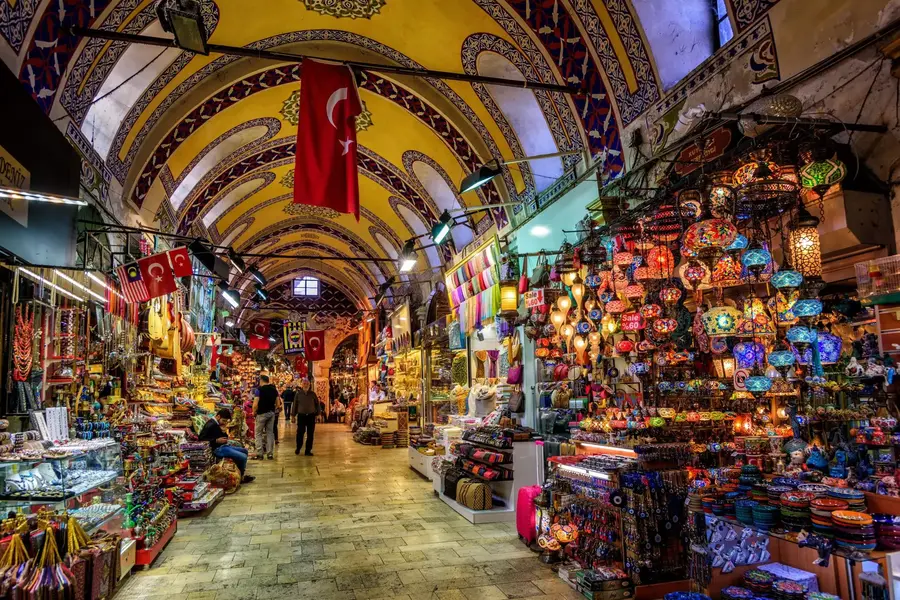
The Kapalıçarşı, or Grand Bazaar, ranks among the oldest and largest covered markets anywhere. Its story begins in the 1450s, when Mehmed II ordered a stone bedesten built for the trade in jewellery and fine fabrics; over the following centuries a whole commercial labyrinth grew up around it, with some 60 streets and roughly four thousand shops beneath a shared vaulted roof.
If you are still wondering what to buy in Istanbul as a gift, you will find it here: carpets and ceramics, copperware, leather goods, jewellery, mosaic lamps, spices and sweets. Haggling is not just allowed but expected — the first price quoted is often well above what the seller will accept, so take your time and compare neighbouring stalls. When the noise gets too much, duck into one of the old hans, courtyards of former caravanserais where craftsmen still have their workshops. The bazaar is closed on Sundays and on the first days of major religious holidays.
6. Süleymaniye Mosque
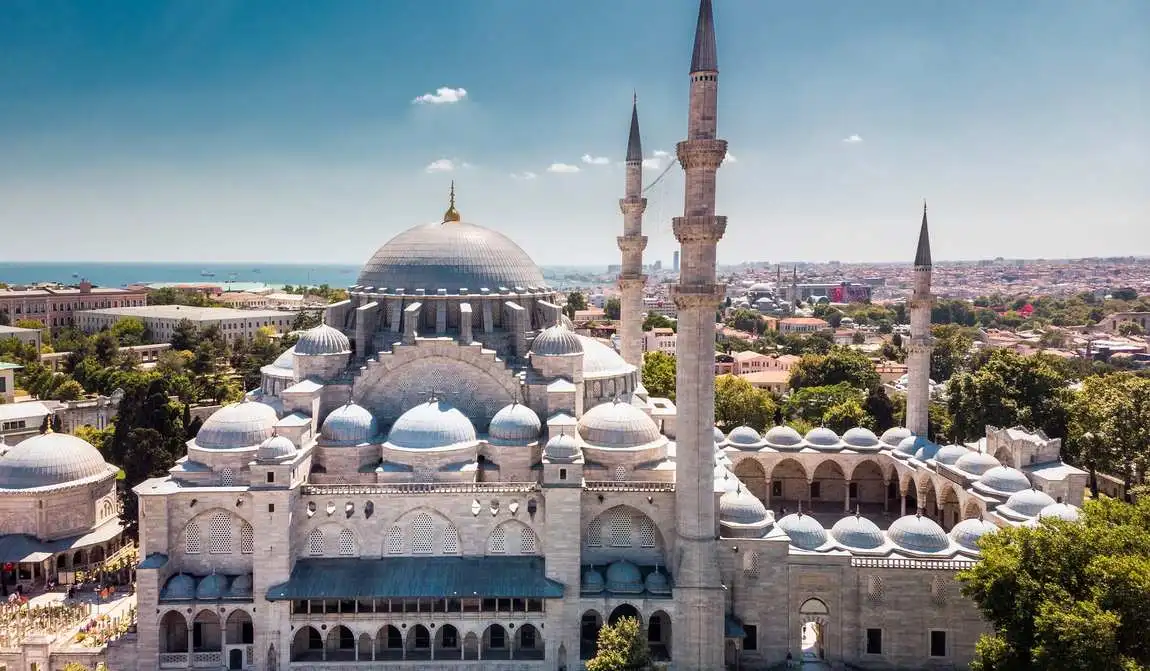
On the third of Istanbul's seven hills, high above the Golden Horn, rises the Süleymaniye, the masterpiece of Mimar Sinan, the greatest architect of the Ottoman Empire. It was built in 1550–1557 for Suleiman the Magnificent, and its vast dome and four minarets still dominate the skyline of the old city. Around it grew an entire complex of madrasas, a hospital, a hammam, a library and a soup kitchen for the poor.
In the garden behind the mosque stand the türbes, or tombs, of Suleiman and his wife Hürrem, known in Europe as Roxelana, who according to tradition came from Rohatyn in what is now western Ukraine. Sinan himself is buried close by. The mosque is far calmer than the Blue Mosque, entry is free, and the terrace behind it is one of the best spots for a panorama of the Golden Horn and Galata. Afterwards, order a plate of Turkish-style white beans at one of the small restaurants on the next street — a long-standing local habit.
7. Galata Tower
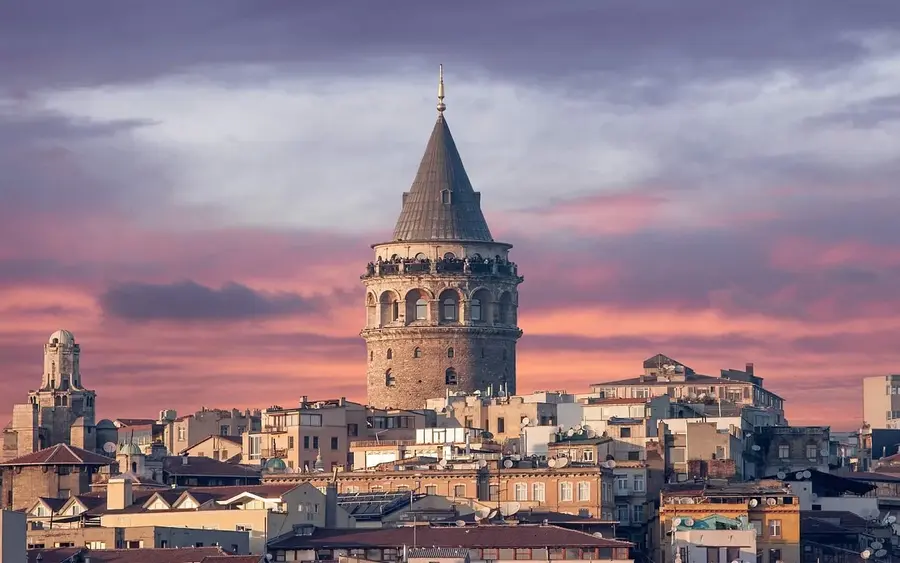
In 1348 the Genoese merchants who controlled the Galata quarter across the Golden Horn built a stone tower to keep watch over the harbour. Over seven centuries it has served as a prison and a fire lookout, and today, at almost 67 metres, it is one of the most recognisable shapes on the Istanbul skyline. According to legend, in the 17th century the scholar Hezârfen Ahmed Çelebi leapt from the top on home-made wings and glided across the Bosphorus all the way to Üsküdar.
A lift takes you most of the way up, and the last few flights are on foot. The narrow balcony wraps all the way round, revealing Sultanahmet's minarets, the Golden Horn, the Bosphorus and the Asian shore, which makes it one of the best viewpoints in town. Queues can be long, so come at opening time or late in the afternoon. Afterwards, wander down Galata's winding lanes to the Art Nouveau Camondo Steps and the Karaköy waterfront, with its fish restaurants and the new Galataport cruise terminal, now home to the Istanbul Modern art museum.
8. The Bosphorus by Boat
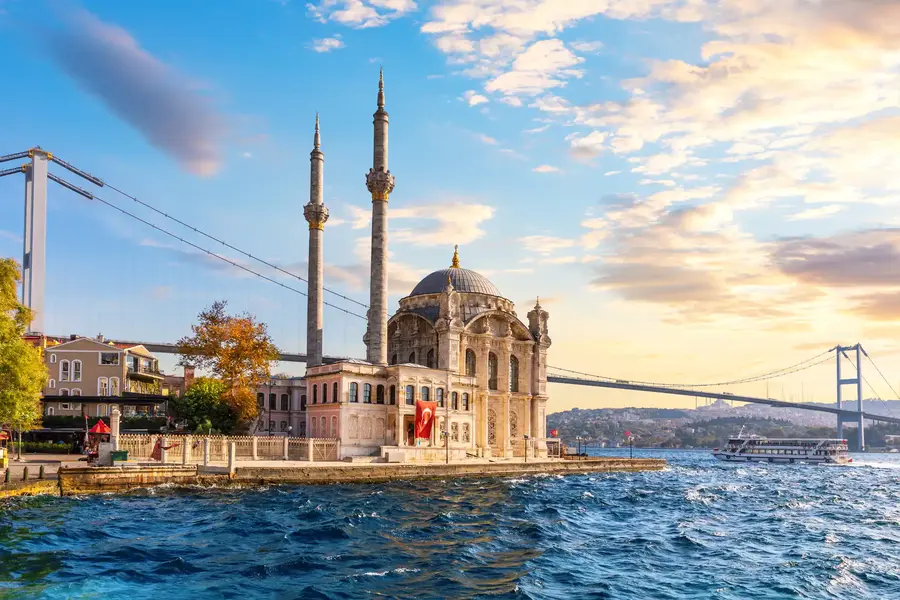
Roughly 30 kilometres long, the Bosphorus connects the Sea of Marmara with the Black Sea and divides Europe from Asia. Its narrowest point, just over 700 metres wide, lies beside Rumelihisarı, the fortress Mehmed II threw up in 1452 to cut Constantinople off from supplies by sea before the siege. Both shores, joined by three bridges and tunnels running under the water, are lined with palaces, mosques and yalı — the wooden waterside mansions of the Ottoman elite.
The water is the best place to take it all in. The cheapest option is a regular city ferry from Eminönü to Üsküdar or Kadıköy at the standard Istanbulkart fare. For a longer outing, take the municipal Şehir Hatları cruise from Eminönü almost to the mouth of the Black Sea, to the village of Anadolu Kavağı and the ruins of medieval Yoros Castle, or book a private cruise of an hour and a half to two hours. Along the way you pass the Dolmabahçe, Çırağan and Beylerbeyi palaces, Ortaköy Mosque beneath the first bridge and the walls of Rumelihisarı, and at sunset the strait is at its most beautiful.
9. Dolmabahçe Palace
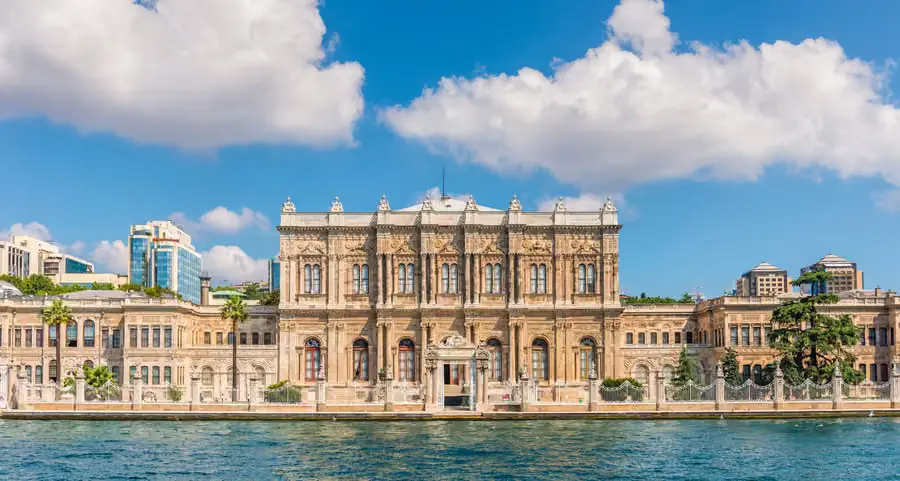
By the mid-19th century Sultan Abdülmecid I had decided that medieval Topkapı no longer suited an empire with European ambitions, and between 1843 and 1856 the lavish Dolmabahçe went up on the shore of the Bosphorus. Architects of the Balyan family blended European Baroque, Rococo and Neoclassicism with Ottoman motifs, and an estimated 14 tonnes of gold leaf went into gilding the ceilings.
The showstopper is the Ceremonial Hall, lit by a 4.5-tonne crystal chandelier said to be among the largest in the world. In one of the palace bedrooms the founder of modern Turkey, Mustafa Kemal Atatürk, died on 10 November 1938, and the clock in his room is still stopped at 9:05, the moment of his death. The interiors are seen on a guided tour or with an audio guide (photography inside is not allowed), and the palace is closed on Mondays. By the gate, take a look at the elegant Dolmabahçe Clock Tower.
10. İstiklal Avenue and Taksim Square
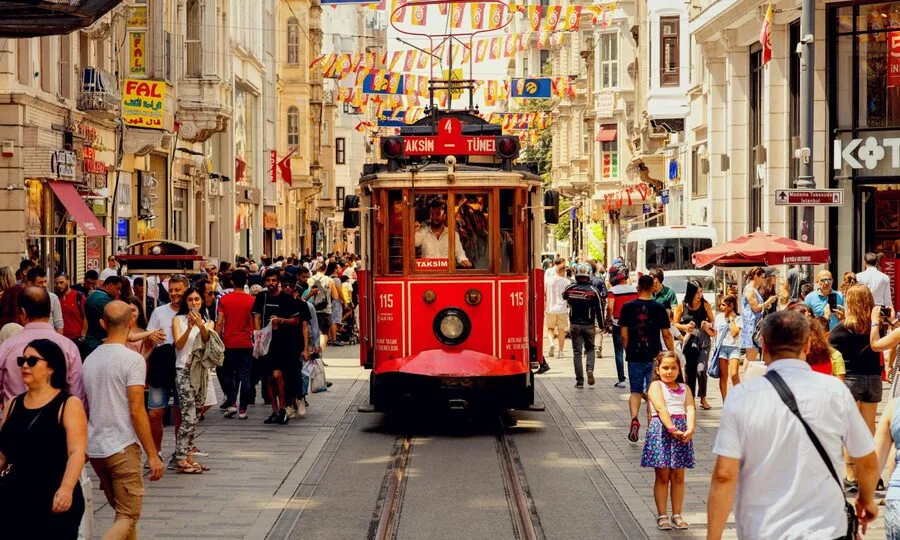
Istanbul's main pedestrian street stretches for nearly a kilometre and a half, from Taksim Square down to Tünel Square. Back in the 1800s this was the Grande Rue de Péra, where European merchants settled and embassies, theatres and arcades opened one after another, and many of its Art Nouveau and Neo-Renaissance buildings still stand. A red heritage tram rattles down the middle of the street, while underground the Tünel funicular of 1875 runs down to Karaköy — the second-oldest underground line in the world after London's.
As you stroll along İstiklal, look into the Flower Passage (Çiçek Pasajı) and the fish market lane next to it, and step inside the Basilica of St Anthony of Padua, the city's largest Catholic church. Taksim Square is where modern Istanbul gathers, with the 1928 Republic Monument, the new Taksim Mosque and the rebuilt Atatürk Cultural Centre, which reopened in 2021. In the evening the avenue fills with buskers and crowds, and rooftop bars all around serve drinks with a Bosphorus view.
Istanbul Attractions: What Else to Visit While in the City
- Spice Bazaar — a 17th-century covered market beside the New Mosque in Eminönü, fragrant with spices, coffee and tea. It is a handy place to stock up on Turkish delight, dried fruit and nuts, and a few steps away the small Rüstem Pasha Mosque hides some of the most stunning İznik tilework in the city.
- Sultanahmet Square (the Hippodrome) — once the arena for Byzantine chariot races. Today it holds the Egyptian obelisk of Pharaoh Thutmose III, more than 3,500 years old, the Serpent Column brought from Delphi and the German Fountain, a gift from Kaiser Wilhelm II.
- Maiden's Tower — a small tower on an islet off the Asian shore, wrapped in legends about a princess and a snake. Since its restoration in 2023 it has housed a museum, and boats run out to it from Üsküdar and Karaköy.
- Princes' Islands — an archipelago in the Sea of Marmara where Byzantine emperors once exiled inconvenient princes. Büyükada, the largest island, with its wooden villas and pine-covered hills, is explored by bike or electric buggy, as private cars are banned; the ferry takes about an hour and a half.
- Balat and Fener — historic quarters on the Golden Horn whose brightly painted houses on steep lanes make them a favourite with photographers. Here you will find the seat of the Ecumenical Patriarch with the Church of St George and the Bulgarian Church of St Stephen, assembled from prefabricated cast-iron parts.
- Chora (Kariye Mosque) — a small Byzantine church near the old city walls whose 14th-century mosaics and frescoes rank among the finest anywhere. It has functioned as a mosque since 2024, but the mosaics remain on view, and foreign visitors pay an entrance fee.
- Ortaköy — a picturesque Bosphorus neighbourhood where the graceful Neo-Baroque Mecidiye Mosque sits right at the water's edge beneath the first bridge. Locals come here for kumpir, giant baked potatoes loaded with dozens of fillings, and waffles piled with fruit.
- Istanbul Archaeology Museums — a complex of three museums next to Gülhane Park and Topkapı Palace. Highlights include the so-called Alexander Sarcophagus and a clay tablet bearing the Treaty of Kadesh, the oldest known peace agreement; after a long renovation the galleries are open again.
- Pierre Loti Hill — a lookout above the Golden Horn named after the French novelist who liked to drink his coffee here. The easiest way up is by cable car from the Eyüp Sultan Mosque, one of the most revered shrines in Turkey.
- Kadıköy and Moda — a lively district on the Asian shore, about 20 minutes by ferry from the European side. Market lanes piled with fish, cheese and pickles, coffee shops, street art and the Moda seafront, where locals gather for sunset, show Istanbul without the tourist gloss.
So how long should you stay? To see the essentials without rushing, plan on at least three days, ideally four or five. Deciding what to see in Istanbul in 3 days? Give the whole first day to Sultanahmet: Hagia Sophia and the Blue Mosque in the morning, Topkapı Palace after that, and the Hippodrome and Basilica Cistern to finish. On day two, lose yourself in the Grand Bazaar, then the Spice Bazaar, climb up to the Süleymaniye, cross the Galata Bridge to the tower and end the evening on İstiklal. Day three belongs to the Bosphorus: a cruise, Dolmabahçe Palace and Ortaköy, then an evening ferry to Kadıköy. With extra time, spend a day on the Princes' Islands or in the colourful streets of Balat and Fener — and if you only have one day, focus on Sultanahmet and an evening walk across the Galata Bridge.
Wondering where to go in the evening? Catch the sunset on the Galata Bridge, where anglers cast their lines right over the heads of passers-by, have dinner in a meyhane in Beyoğlu or a fish restaurant in Karaköy, then head up to a rooftop bar overlooking the Bosphorus. For more unusual places and the best photo spots, make for the painted houses of Balat, Pierre Loti Hill at dawn and the Moda waterfront, where locals picnic as the sun goes down.
Free things to do in Istanbul are easy to find: the Blue Mosque and the Süleymaniye, Sultanahmet Square, both bazaars, İstiklal Avenue, Balat and Ortaköy, while a ferry across the Bosphorus costs no more than a metro ride. Museum tickets are the main expense — foreigners pay considerably more than locals — and the Museum Pass Istanbul can help keep costs down. Travelling with kids? Try the Miniatürk miniature park, the Istanbul Aquarium, the Rahmi M. Koç industrial museum on the Golden Horn, or a bike ride on the Princes' Islands. The best times to visit are April and May, when tulips bloom in Emirgan Park, and September to October. In mosques, respect the dress code and don't photograph people at prayer; in the bazaars, bargain with confidence; and take home Turkish delight, Turkish tea and coffee, spices, ceramics or a blue nazar charm against the evil eye.
Ready to book Istanbul? The TurPoisk online travel agency compares offers from leading tour operators to find the right Istanbul tour for you, and if you want to pair sightseeing with the sea, add a few days in Antalya or Bodrum: within the city itself swimming is limited to the Black Sea beaches at Kilyos, while the coastal resorts are little more than an hour away by plane. Run our online tour search to compare prices, book a hotel in Istanbul in the right area — Sultanahmet for the sights or Beyoğlu for the nightlife — or ask our specialists, who will suggest the best excursions and help you plan your route.


