
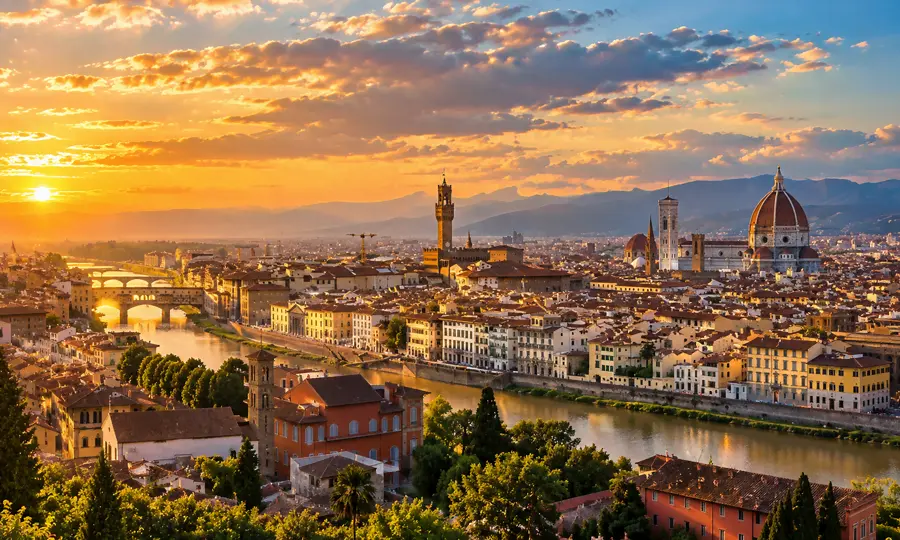
Florence is not just a dot on the map of Italy, but a place where history literally comes alive. It is rightly called the cradle of the Renaissance, for it was within these walls that ideas were born that revolutionized notions of beauty, art, and architecture throughout Europe. The city miraculously combines the grandeur of enormous cathedrals with the intimacy of quiet stone streets, transforming it into one vast, living museum. People come here not for the usual excursions, but to touch the roots of European culture and feel the magic of the past.
What to see in Florence first
Florence's cultural layer is so dense that without a well-thought-out plan, it's easy to get lost and miss something truly important. Literally every house and every square in the center has its own unique story. To help your first acquaintance with the city form a complete picture, we've compiled a list of the main locations that best convey the spirit of the great Renaissance and showcase the architectural mastery of the Florentines.
1. Cathedral of Santa Maria del Fiore
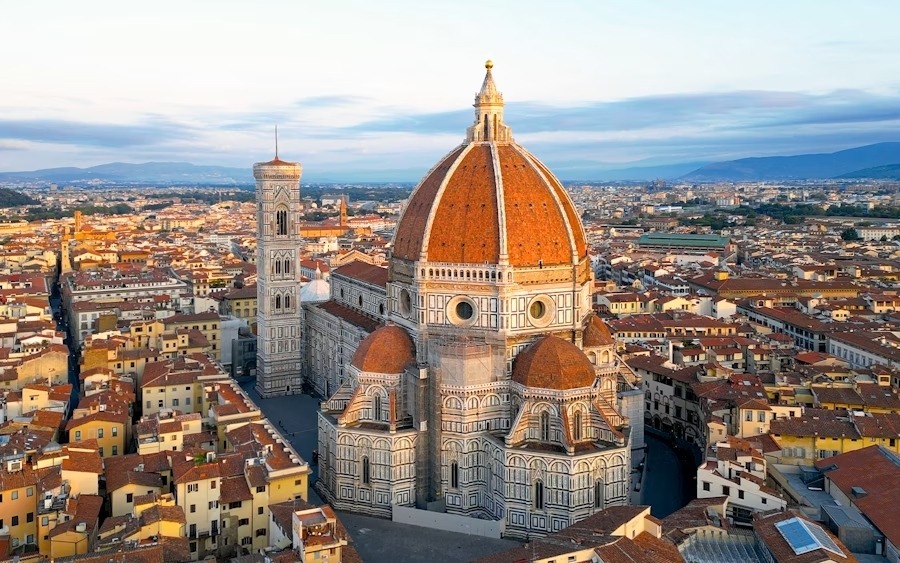
This cathedral is the heart and main symbol of the city, rightfully considered one of the most impressive churches not only in Italy but in the world. It was built over more than a century, beginning in the 13th century, so its appearance reveals a whole history of architectural styles. The main attraction is Brunelleschi's legendary dome. In its time, it was a true challenge to physics and an engineering marvel that still amazes the imagination with its scale. The exterior of the cathedral looks festive, decorated in white, green, and pink marble. Inside, the grandeur of the space, ancient frescoes, and the light filtering through the stained-glass windows take your breath away. And if you dare to climb to the top of the dome, all of Florence will open up to you from a bird's eye view.
2. Cathedral Square
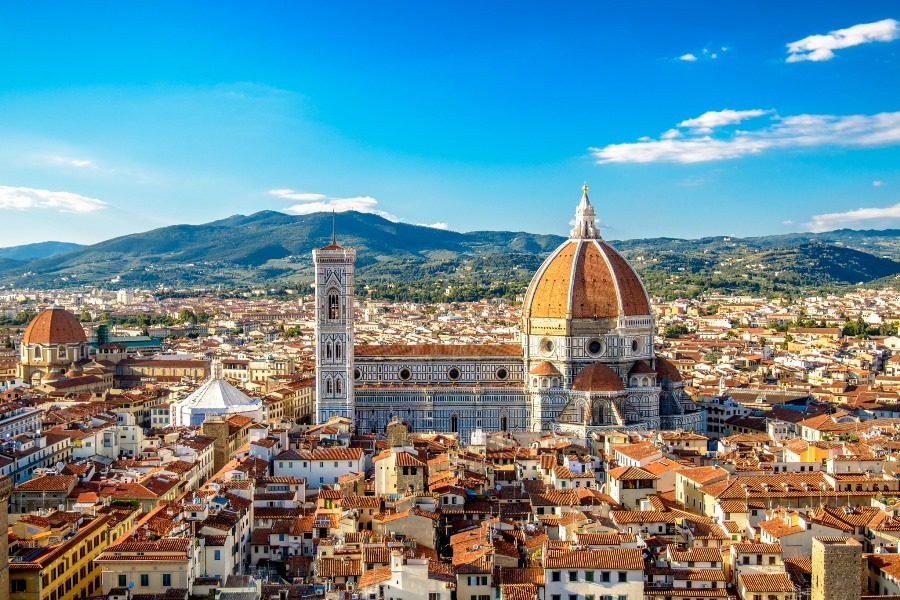
Piazza del Duomo is the place where the heart of Florence's religious and social life has beaten for centuries. The city's main holy sites are gathered here, forming a unified and harmonious ensemble in the Renaissance style. This is where travelers usually begin their journey, trying to grasp the perfect proportions and intricate craftsmanship that adorn the building facades. The square is always bustling with life: the voices of tourists, the melodies of street musicians, and the rustle of artists' brushes mingle here, creating a unique atmosphere. This place perfectly underlines Florence's status as a world capital of art.
3. Uffizi Gallery
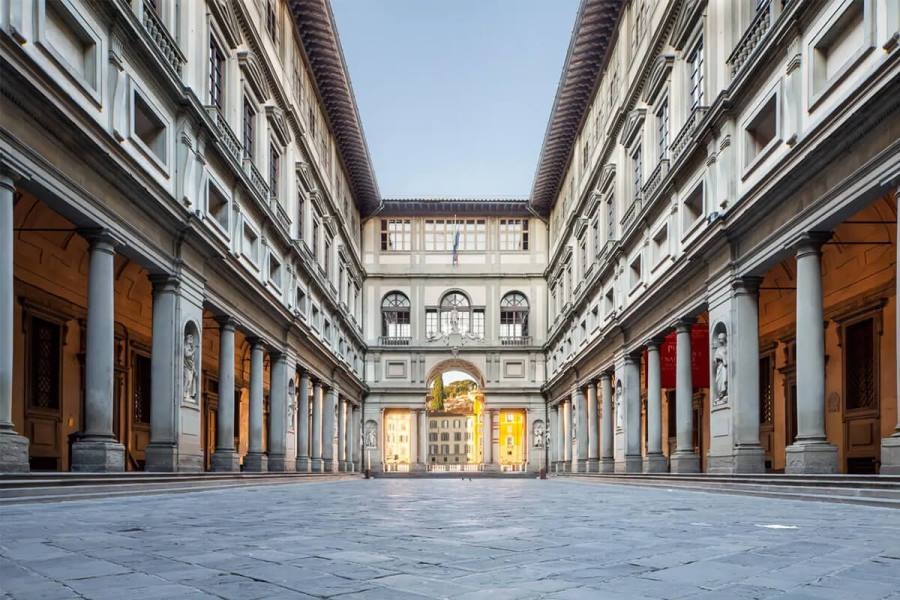
The Uffizi Gallery is a true temple of painting, without which a visit to Florence would be incomplete. Its endless halls contain true treasures: works by Botticelli, Leonardo da Vinci, Raphael, and Titian. The exhibition itself is designed to take you step by step through the development of European art, from the Middle Ages to the heyday of the Classical period. Strolling through the spacious corridors, it's easy to lose track of time as the story of human genius unfolds before you. A visit to the Uffizi offers a truly profound insight into the colossal role this city has played in the history of world culture.
4. Palazzo Pitti
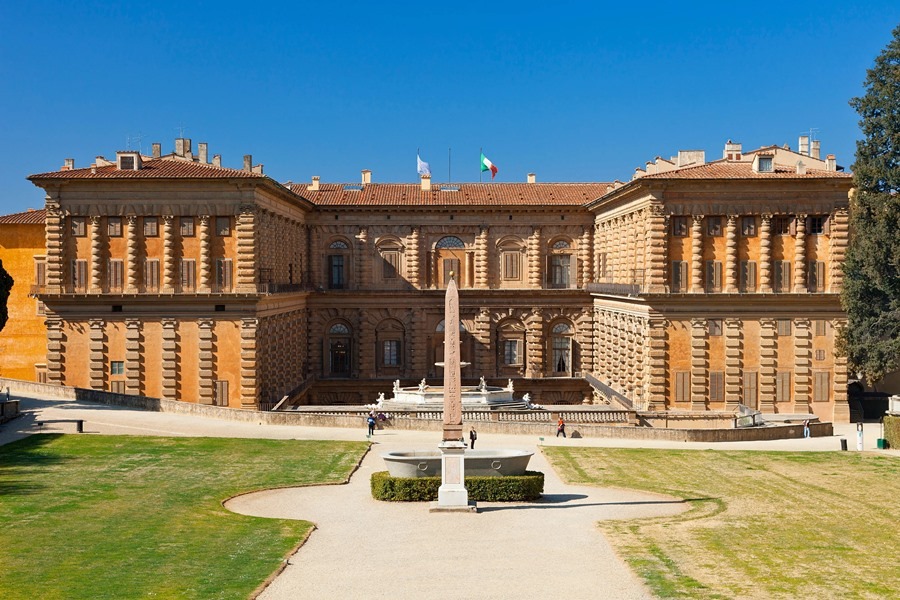
The majestic Palazzo Pitti was once home to the powerful Medici family and clearly demonstrated their boundless influence. Its massive, austere walls conceal incredible luxury and sophistication. Today, the palace has been transformed into a vast museum complex. Be sure to visit the Palatine Gallery, which displays masterpieces by the great Renaissance masters in their original settings. The interiors of the halls, decorated on an incredible scale, allow you to see firsthand how the Florentine aristocracy lived and appreciate their impeccable taste and love of art.
5. Ponte Vecchio (Old Bridge)
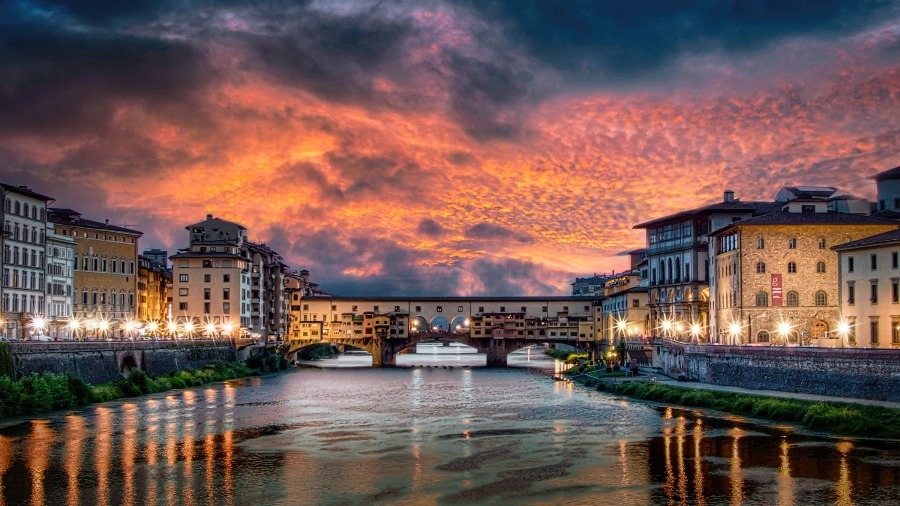
The Ponte Vecchio is perhaps the most recognizable and photogenic bridge in the city. Its main feature is the small shops that literally crowd the edges of the bridge. While hundreds of years ago it was a meat trade, today it is the kingdom of jewelers who continue the ancient traditions of goldsmithing. The bridge is a true survivor: it has withstood floods and survived wars, preserving its unique medieval appearance. A stroll across it allows you not only to admire the flow of the Arno River but also to experience how history seamlessly intertwines with the city's modern rhythm.
6. Palazzo Vecchio
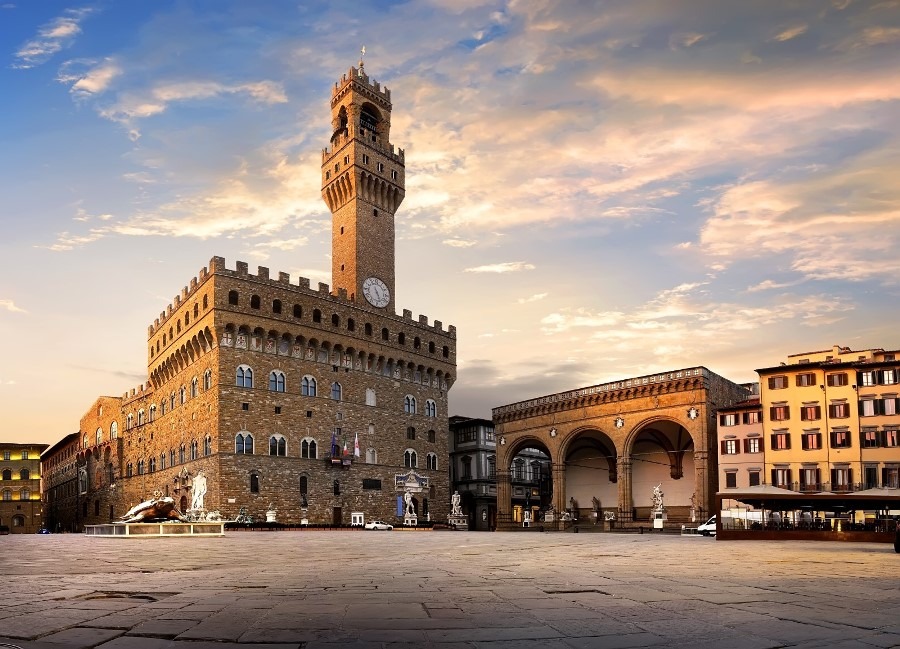
The Palazzo Vecchio in Piazza della Signoria is a symbol of Florence's power and political might. Its austere façade and tall, crenelated tower immediately proclaim the serious character of this building, which for centuries was the center of city government. But step inside, and the austerity gives way to splendor: frescoed halls, graceful sculptures, and rich Renaissance decor await you. Today, a museum is located here, where you can learn how important decisions for the city were made and the living conditions of the ruling elite.
7. Piazza della Signoria
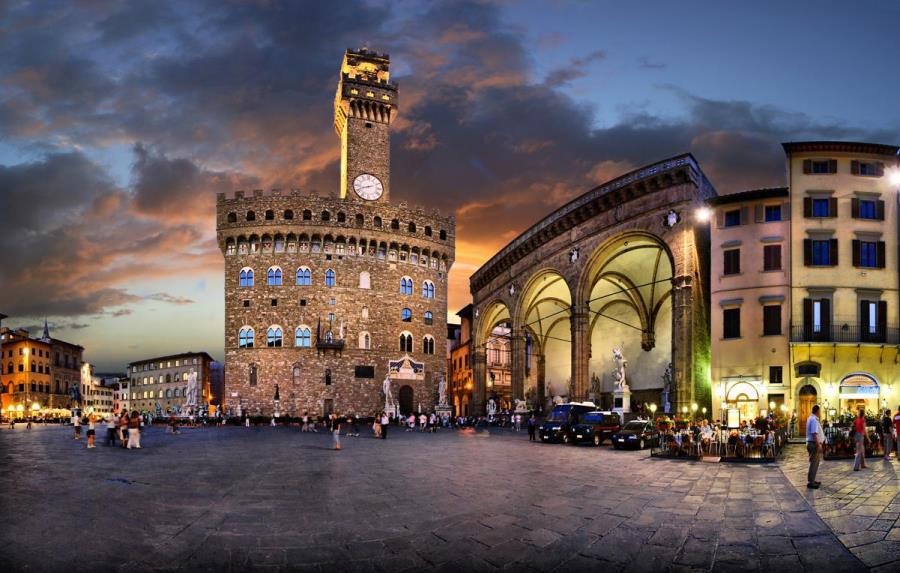
Piazza della Signoria is rightly called an open-air museum. It is the city's main civic square, where every stone recalls important historical events, from popular assemblies to lavish celebrations. Here you can spend hours admiring the masterpieces of sculpture, including a copy of Michelangelo's famous "David," and enjoy the harmony of the surrounding architecture. Even on an ordinary day, the square exudes an upbeat mood, and the atmosphere of historic Florence is felt here more vividly than anywhere else.
8. Baptistery of San Giovanni
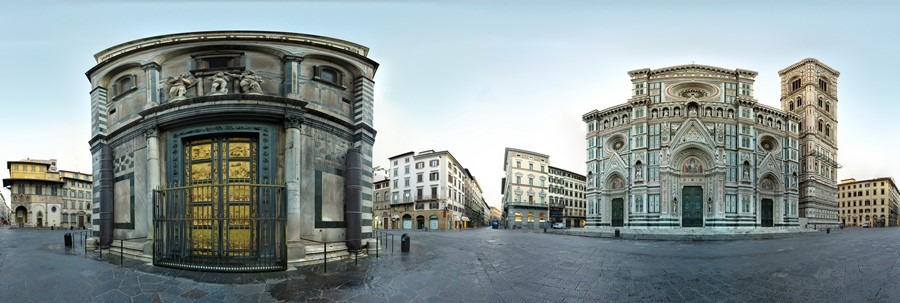
The Baptistery of San Giovanni is one of the oldest and most revered buildings in Florence. It is world famous for its bronze doors, which Michelangelo called the "Gates of Paradise"—a recognized masterpiece of architectural craftsmanship. The interior of the baptistery is no less astonishing: its dome is decorated with golden Byzantine mosaics, creating a sense of special grandeur. For centuries, the city's inhabitants were baptized here, and this place still retains a special silence and spiritual significance.
9. Giotto's Bell Tower
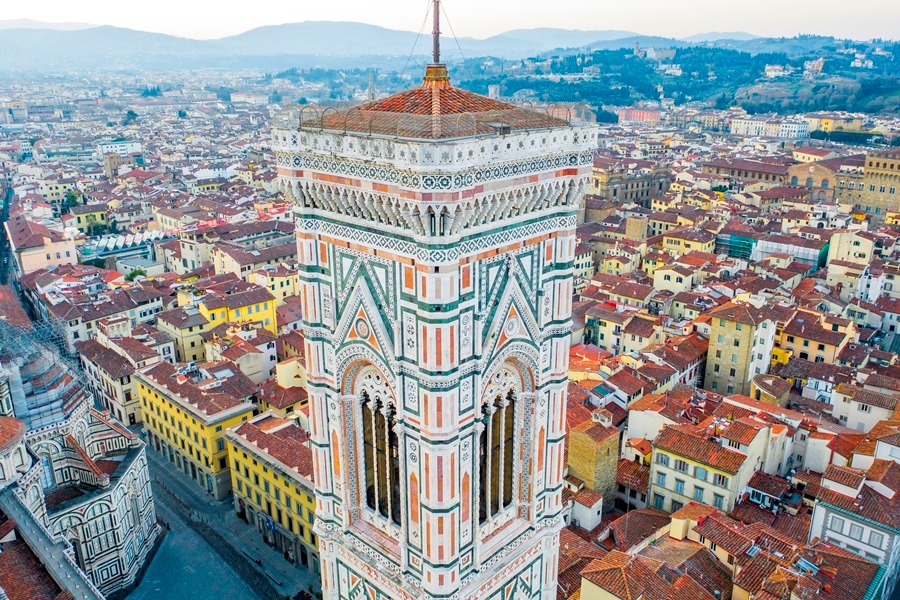
Giotto's Bell Tower is the embodiment of the elegance of Italian Gothic architecture. It stands next to the main cathedral and complements its architectural ensemble. The tower's façade, decorated with multicolored marble and delicate reliefs depicting biblical themes, is endlessly captivating. For those not afraid of physical exertion, there's a bonus: after climbing several hundred steps, you'll reach the top, which offers the best view of Brunelleschi's dome, the city's red-tiled roofs, and the gentle contours of the Tuscan hills.
10. Basilica of Santa Maria Novella
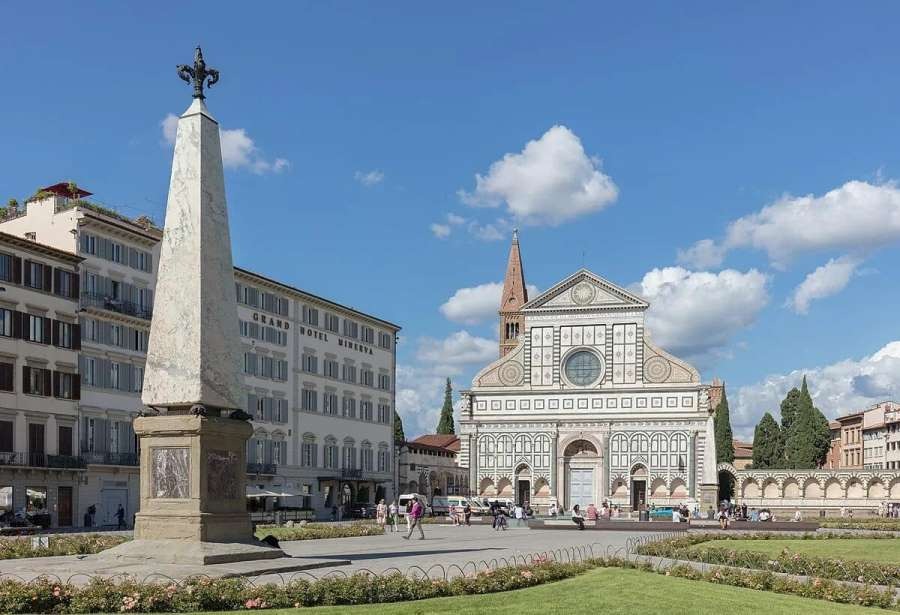
The Basilica of Santa Maria Novella greets visitors with its impeccable façade, considered a benchmark for Renaissance symmetry and harmony. This is more than just a church; it's a veritable treasure trove of art. Inside, you can admire the famous frescoes by Masaccio and Ghirlandaio, which changed the course of painting. The basilica's architecture fascinatingly illustrates the transition from the strict Gothic style to the more free Renaissance. A visit to this church will give you a better understanding of the life and beliefs of Florence many centuries ago.
The Basilica of Santa Maria Novella captivates with its ornate appearance and rich history. Its interiors house unique works of art, and its architectural forms vividly demonstrate how the tastes and skill of builders changed at the turn of the ages. The temple remains one of the key spiritual and cultural centers, definitely worth including on your itinerary.
Florence Attractions: What Else to Visit While in the City
- The Boboli Gardens are a vast park paradise behind the Pitti Palace. It has everything: terraces, fountains, mysterious grottoes, and ancient statues. It's the perfect place to escape the bustle of the city and enjoy panoramic views of Florence surrounded by greenery.
- The Basilica of San Lorenzo is the family church of the Medici dynasty. It is here that the famous chapels are located, the final resting place of the city's rulers. The austere architecture and Michelangelo's masterpieces make this temple a must-see.
- The Monastery and Church of San Marco are a place with a very special energy. Here you can see Fra Angelico's delicate frescoes right in the monks' cells. The monastery exudes a wonderful tranquility, offering a glimpse into the spiritual world of the 15th century.
- Bargello Museum - If you love sculpture, this is the place for you. The former prison now houses works by Donatello and Michelangelo. It is one of the best museums of sculpture in Italy, with a very distinctive atmosphere.
- Palazzo Medici Riccardi - the first "true" Medici palace, which became a model for decades. Inside, cozy courtyards and the magnificent Chapel of the Magi, exuding the luxury of the era, have been preserved.
- Gardini Bardini - a cozy alternative to the Boboli Gardens. Situated on a hill, it is less crowded and more peaceful. Its terraces offer postcard-perfect views of Florence, especially beautiful when the wisteria is in bloom.
- Forte Belvedere is a mighty fortress built to protect the city. Today, it is one of Florence's best vantage points. Its vast spaces and views of the Arno make it ideal for sunset strolls.
- The Stibbert Museum is for those seeking something unusual. It is a private collection of weapons and armor from around the world. The vast array of knightly equipment and costumes creates a feeling of complete immersion in other eras and countries.
- Dante Alighieri House Museum – here you can learn all about the life of the author of "The Divine Comedy." The museum recreates the life of medieval Florence and tells the story of the great poet's difficult life and exile.
- The Basilica of San Lorenzo is another important spiritual center inextricably linked to the Medici family. The church captivates with its laconic exterior and the incredible wealth of art within, representing an important chapter in Florentine history.
Florence is a city where history doesn't gather dust in textbooks, but surrounds you at every turn. A stroll through its squares is a chance to touch the legacy that has shaped the modern world and see with your own eyes what has inspired the greatest geniuses of humanity for centuries.
If you're planning your trip to Florence, we recommend using the online travel agency TurPoisk. A convenient tour search system, a selection of hotels to suit every taste, and interesting excursions will help you organize your vacation so you can worry-free and simply enjoy the beauty of this great city.


