
Rome is one of the most breathtaking places on the planet, symbolizing the eternity and primordial nature of Western civilization. This city, which will soon celebrate its third millennium, is a true treasure trove of cultural and historical wealth. Ancient ruins of historical buildings, treasures of open-air museums, countless temples and majestic facades of villas are just a small part of what Rome offers to each of its guests. Travelers can learn about the colossal history of this city while entering its streets and buildings that seem to speak of the past greatness of the Roman Empire.
What to see first in Rome
Walking through the centuries-old streets and squares of Rome, we feel the delight of the majestic buildings, temples and other historical treasures, embodied by the strength and grandeur of the Roman Empire. The answer to the question of what is worth seeing in Rome seems obvious: “Everything.” However, there is never enough time, and we have to make difficult choices about our top priorities. This material will help us navigate and choose what is worth seeing and visiting in Rome first, and what can be left for the next visit.
Colosseum
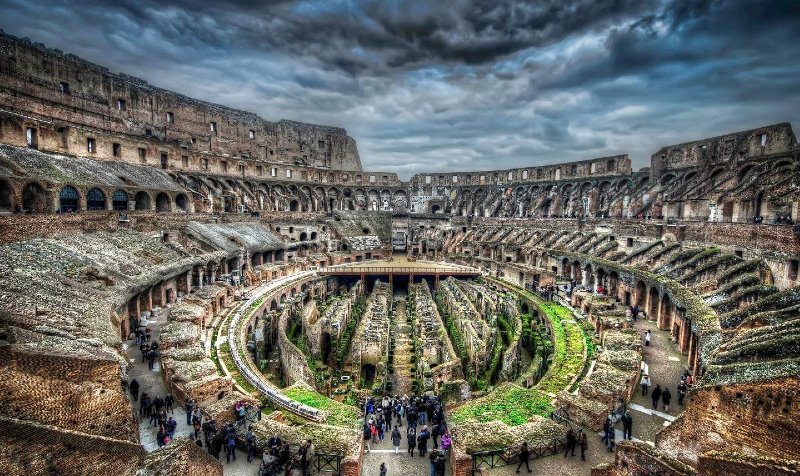
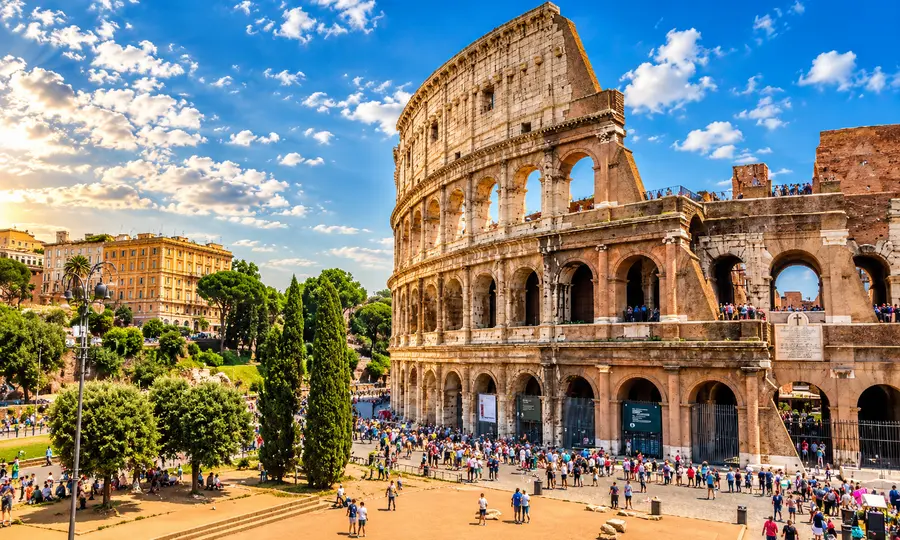
The Farnesian Gardens in Rome offer a majestic view of the Colosseum - the symbol of ancient Rome, which attracts millions of tourists from different parts of the world. This is not just an architectural structure, it embodies the rich history and culture of this great city. The construction of this monument began in the early years of our era and continued for five centuries. The Colosseum has witnessed many historical events, including gladiator fights, executions, torture and various entertainments. The stone walls of this arena are still filled with the spirit of the past, recreating the emotions and atmosphere of ancient times for visitors who come here to experience the grandeur and splendor of ancient Rome.
Vatican
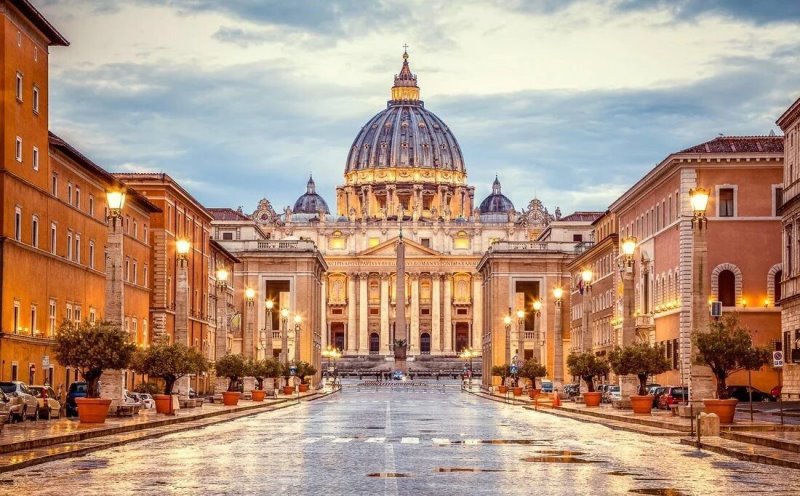
In the very center of the eternal city of Rome there is a unique little world - the Vatican, a small state, the capital of the Catholic Church and the home of the Pope. With its 800 citizens, mainly representatives of the Catholic community, it amazes with the scale of its cultural and historical heritage. A visit to the Vatican begins with the majestic St. Peter's Basilica, which is like a gateway to a world of wonder and mystery. Words cannot express the magnitude of this castle of Catholicism - you need to see it in person. Magnificent gardens, a unique library, the Papal Palace and other exquisite artifacts and architectural masterpieces of Rome await those who decide to immerse themselves in the atmosphere of the Vatican.
Pantheon
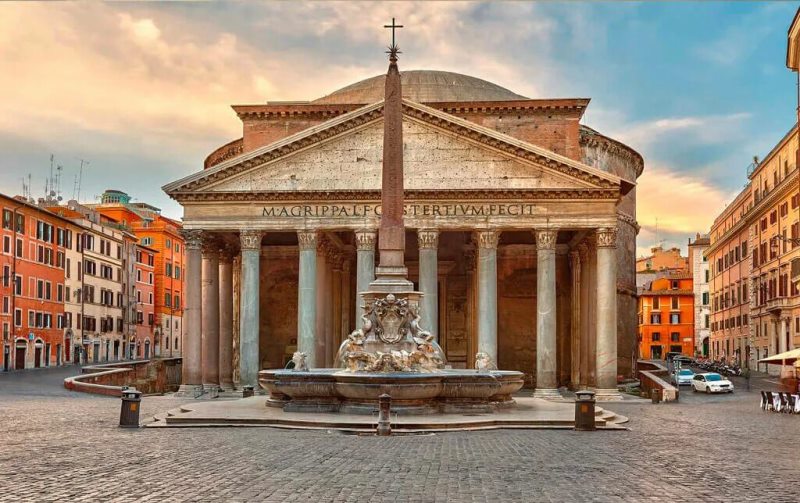
The stream of light penetrating through the dome of the Pantheon is one of the greatest symbols of ancient Roman architecture, embodying the era of the highest art. Built in the first decades of our era as the "Temple of All Gods", it originally served as a place of worship for pagan deities before being converted into a Christian temple in the 7th century. Externally, the Pantheon is a majestic rotunda with a hemispherical dome with a diameter of 45 meters and a height of 42 meters. The top of the dome is decorated with a through hole with a diameter of 9 meters, known as the “Eye of the Pantheon”. The building looks especially impressive from the inside, where the grandeur of the structure is combined with the sophistication of its interior decoration.
Cathedral and St. Peter's Square
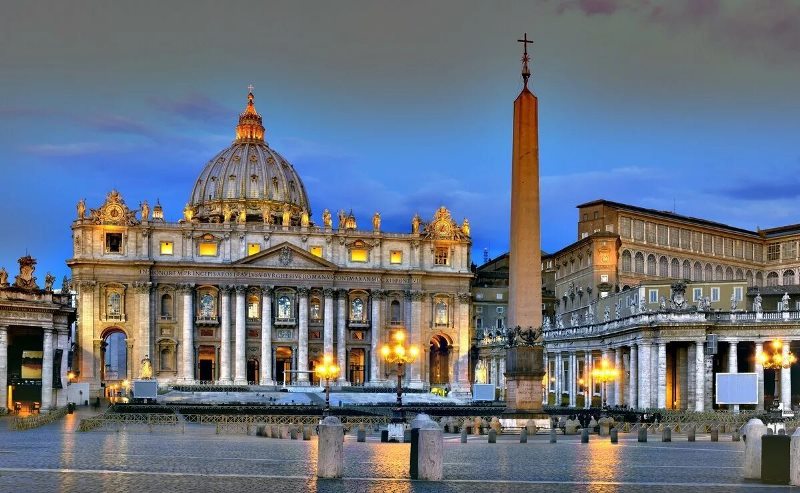
When exploring the riches of the Vatican, special attention is drawn to St. Peter's Basilica, which rises majestically in Piazza San Pietro. The wide square, surrounded by the famous colonnade, creates a majestic picture. Its dimensions - 340x240 m - are impressive, and on top the area resembles the shape of a key. The Baroque sculptor Lorenzo Bernini was behind the creation of this architectural masterpiece. St. Peter's Cathedral is not only a symbol of the Catholic faith, but also a real art museum. Great masters of painting, such as Bernini, Michelangelo, Bramante, Raphael, worked here, filling it with unique works of art.
Vittoriano
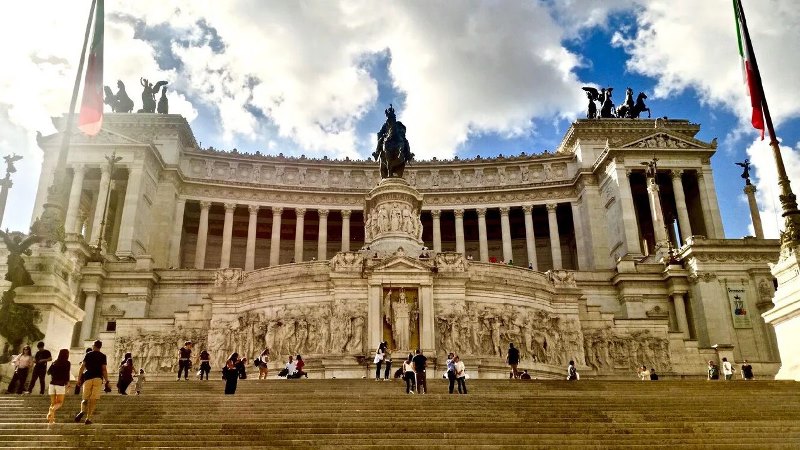
In Rome's Piazza Venezia stands the Vittoriano, an impressive architectural complex dedicated to King Victor Emmanuel II, the Italian monarch whose contribution to the unification of Italy was invaluable. This monumental structure, which took 40 years to build, is topped by a bronze sculpture of the king on horseback, in front of which is a building with a colonnade. Above the columns is an architrave with 16 statues symbolizing the different regions of Italy. Inside the Vittoriano there are museums and galleries offering permanent and temporary exhibitions. Against the backdrop of the palace, the guard of honor and the Eternal Flame fill this place with a solemn mood.
Roman Forum
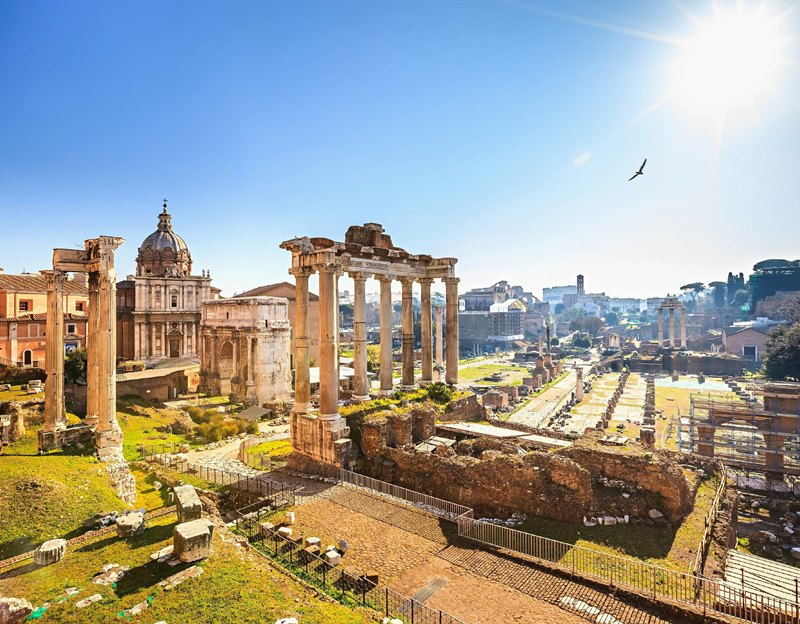
This place once served as the heart of public life, where the Romans gathered to keep abreast of all the important events of the city and country. Here laws were passed, sentences were passed, consuls were elected and the latest news was disseminated. There were shopping areas next to administrative buildings and temples, and new buildings and monuments were erected on its territory. However, after the fall of the Roman Empire, the forum was destroyed by barbarians. In our time, only fragments of its buildings have survived, and the territory has become an archaeological reserve.
Castle Sant'Angelo
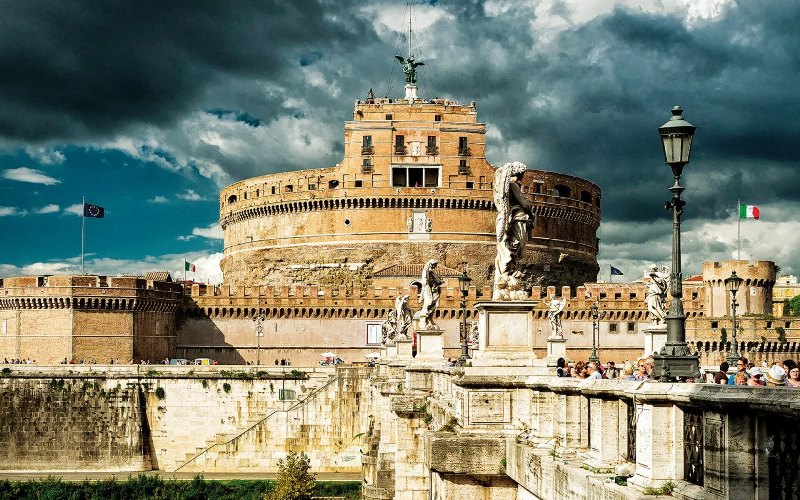
In the 2nd century AD, Castel Sant'Angelo was built as a mausoleum for rulers and imperial families. Many monarchs were buried here, and during the time of Emperor Aurelian, the mausoleum was surrounded by a fortress wall to protect it from barbarian attacks. In the 6th century, during a plague epidemic, someone saw the image of an angel on the roof of the castle, and the epidemic ended. This event gave the castle its current name. Originally conceived as a mausoleum, the castle served as a fortress, papal residence, warehouse and even a prison. Today its walls are home to a museum.
Trajan's Forum
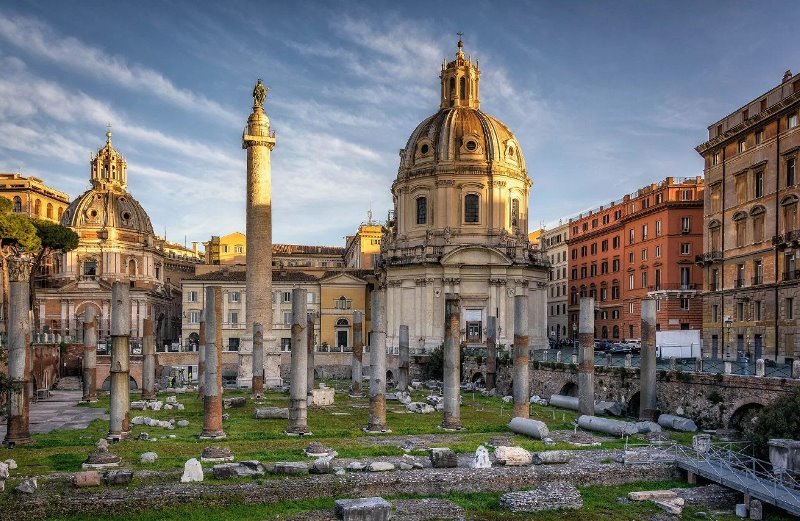
Trajan's Forum in Rome is not only ruins, but also important historical evidence of the era of the empire. Built by order of Emperor Trajan between the 1st and 2nd centuries AD, this forum was a symbol of the greatness and power of the Roman Empire. Despite the fact that today we see only fragments of its former splendor, they still allow us to imagine what it was like before.
Trajan's Forum was a center of life and activity, surrounded by libraries, a market and an imperial temple. The Emperor sought to make it the most impressive forum, and he succeeded. The area of 220 meters was decorated with statues, a colonnade and a majestic marble column, in which the emperor himself was later buried. These ruins are a testament to the greatness of the Roman Empire and an important site for the study of history.
Thermal Baths of Caracalla
The ruins of the ancient Roman baths along the Appian Way, known as the Baths of Caracalla, are a magnificent testament to ancient civilization and the greatness of Rome. These gigantic structures, resembling fortresses in size, were not only a place for hygiene procedures, but also the center of public life. Designed to accommodate more than one and a half thousand people at a time, they served not only as a place for personal care, but also as a center for the exchange of news and social meetings. At a time when many similar baths already existed in Rome, the Baths of Caracalla are unique in that they are the only structures of this scale that have survived to this day, leaving us with a stunning legacy of antiquity and history.
Arch of Constantine
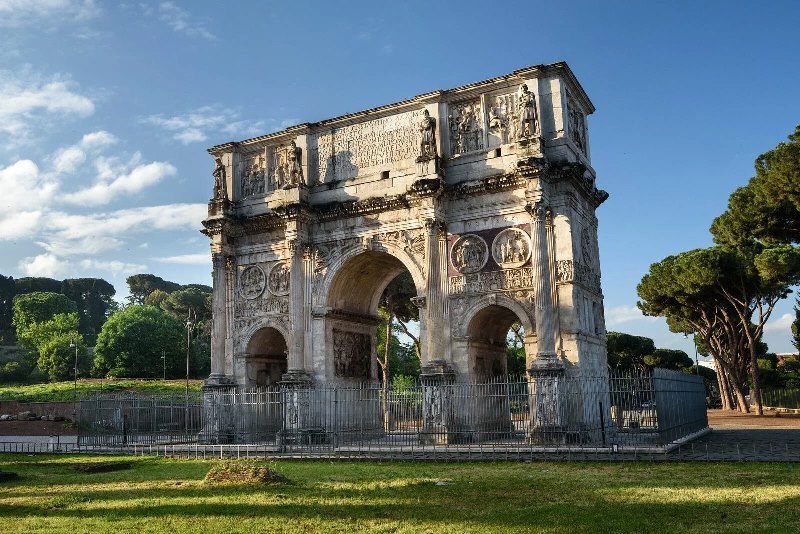
The Triumphal Arch of Constantine, rising on Via Sacra in Rome, is one of the greatest symbols of ancient Rome. Built at the beginning of the 4th century by order of Emperor Constantine, it became not only a monument to victory, but also the embodiment of the power and greatness of the Roman Empire.
This arch, located next to the Colosseum, is a majestic structure with three arched passages: a central one, a larger one, and two side ones. Its impressive dimensions - 26 meters long and 21 meters high - impress and inspire us today, just as they did in the days of the ancient Romans.
The special significance of this arch is that it symbolized Constantine's victory in the civil war, emphasizing his power and authority. For many centuries it has served as a role model in architecture, embodying the grandeur and importance of the historical achievements of the ancient world.
Piazza Navona
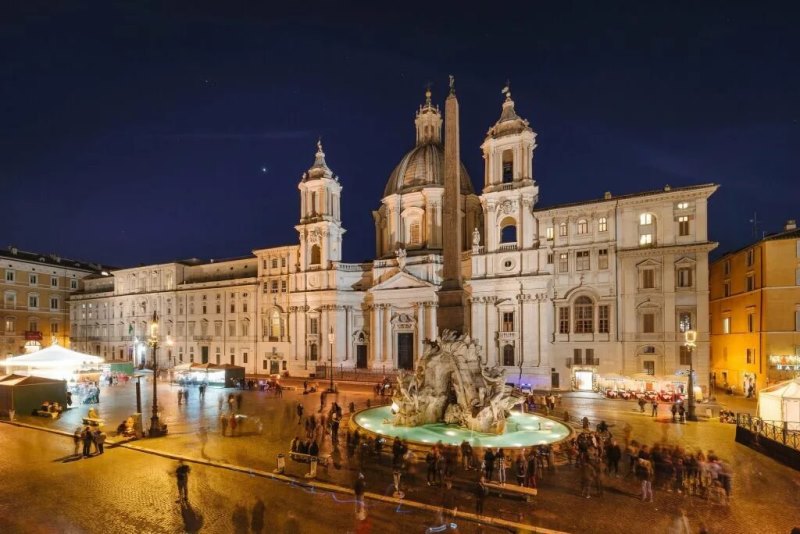
Piazza Navona is an integral part of a tour of Rome, representing an exquisite oval architectural composition. The main centerpiece is the majestic Fountain of the Four Rivers, which dominates the square with a 16-meter obelisk and sculptures of Roman emperors. Around the fountain there are two smaller ones - the Moor Fountain and the Neptune Fountain, giving the square a special charm.
Today, Piazza Navona has become not only a historical artifact, but also a popular venue for various events, ranging from carnivals to Christmas markets. However, in the distant past, this place was the site of the ancient circus of Domitian, where athletic competitions such as running, javelin throwing, and fighting without rules took place. The Middle Ages brought a change, turning the former circus into a regular market, which became the heart of trade and exchange in that era.
Piazza del Popolo
Piazza del Popolo, or "People's Square" as it was nicknamed by locals, is a vast square surrounded by two Baroque churches and three main streets of Rome, which were the main thoroughfares in the Middle Ages. In the center of the square stands a 24-meter stele, brought from Egypt and supposedly dating back about 3.5 thousand years. At the foot of the stele there are fountains in the form of lions, and at the edges of the square you can see two large fountains: the fountain of the Goddess of Rome and Neptune.
Spanish Steps
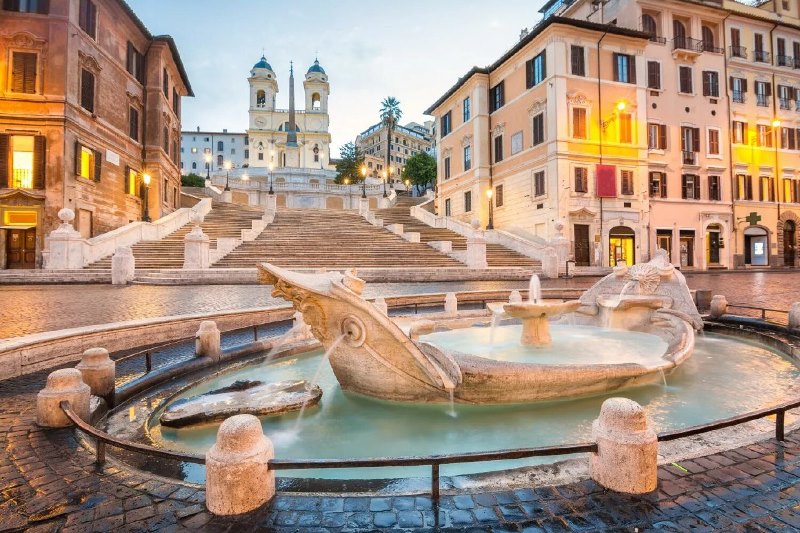
In the very heart of eternal Rome is Piazza di Spagna, where the famous Baroque Spanish Steps begins, surrounded by flowering flower beds. But behind these beautiful architectural forms lies an amazing story. The church on Pincho Hill, to which a staircase leads, was erected by order of the French king. The square itself previously housed the Spanish Embassy. These buildings symbolized the confrontation between France and Spain for influence in Italy. The Italians erected the staircase as a gesture of rapprochement between the two countries. And if you look at it from above, you can see that its outline resembles the shape of a butterfly, symbolizing harmony and beauty in the unification of cultures.
District Trastevere
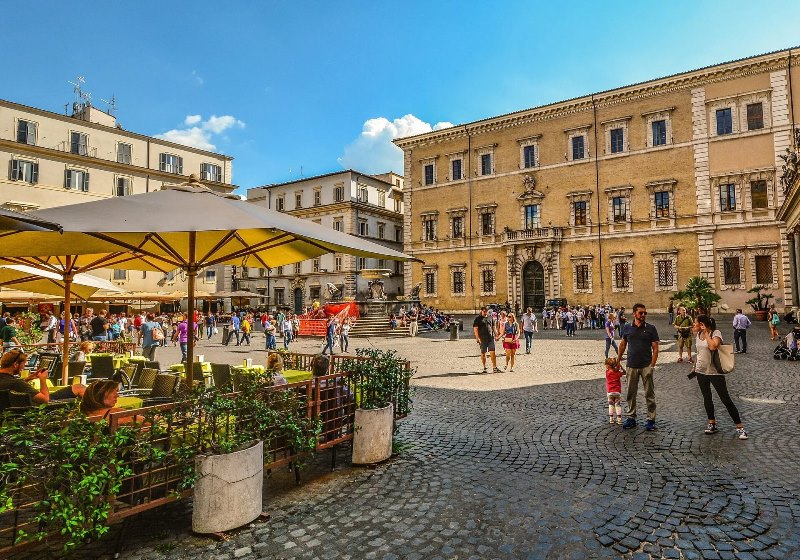
In ancient times, Rome was built near the Tiber River, like many other settlements. This body of water, the right bank of which was inhabited by Etruscans from Etruria, became a source for the development of the future city. The Etruscans gave the name to the future region of Trastevere, which later became a place of residence for Syrian immigrants and then for the Romans themselves. Today, Trastevere presents a unique picture of Rome, different from the generally accepted image of the city.
Walking through the narrow streets of this area, you can see terracotta buildings surrounded by green thickets of ivy. But Trastevere attracts not only its picturesque appearance. There are unique temples, museums and cozy restaurants here. And even a tobacco factory that produces snuff for the popes adds a unique flavor to the area. A visit to Trastevere will allow you to see Rome through the eyes of local residents and immerse yourself in its unique atmosphere.
Trevi Fountain
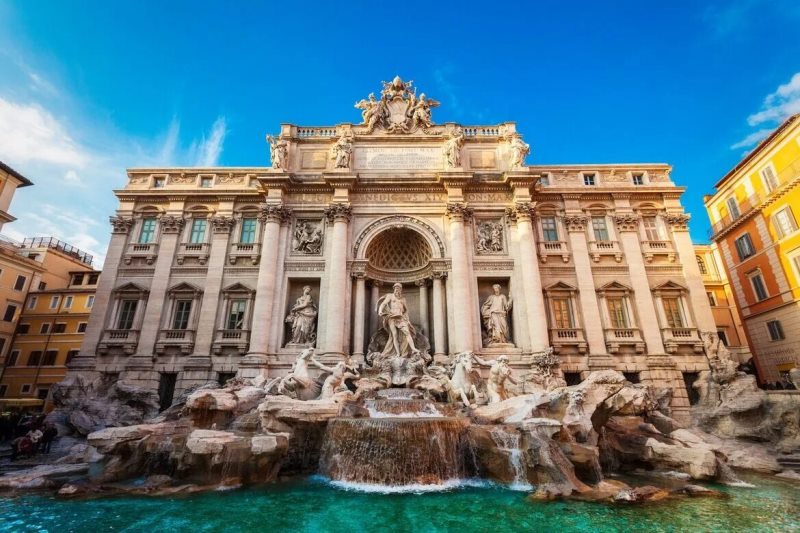
The most grandiose fountain in the city is an integral part of the facade of Palazzo Poli. Currently, this place has become a refuge for citizens and a source of freshness on hot days. The fountain is a majestic architectural complex rising above a huge bowl stretching for almost 20 meters. The shape of the bowl resembles an amphitheater, and every evening crowds of spectators gather on the steps of the palace and at the edge of the fountain to enjoy the stunning spectacle of the waterfall, illuminated by colorful lights. The fountain's name comes from an Italian phrase translated as "three streets", as it is located at the crossroads of three ancient Roman roads.
Basilica of San Giovanni in Laterano
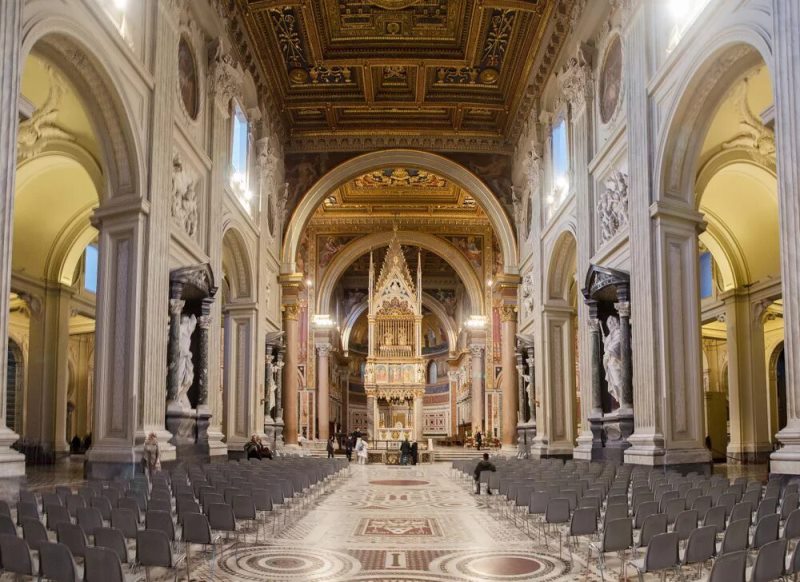
It is the oldest church in the Roman hierarchy, occupying first place, even overlapping the title of St. Peter's Basilica. A bas-relief is carved on the facade of the building, confirming that this is a basilica, which is considered the “mother of all churches.” Built in the 4th century BC. under Emperor Constantine, this temple became the burial place for six Popes. Within the walls of San Giovania are preserved precious Christian relics, including the relics of the holy apostles Paul and Peter, as well as the “Holy Staircase”, along which it is believed that Jesus Christ ascended to his trial before Pontius Pilate.
San Paolo fuori le Mura
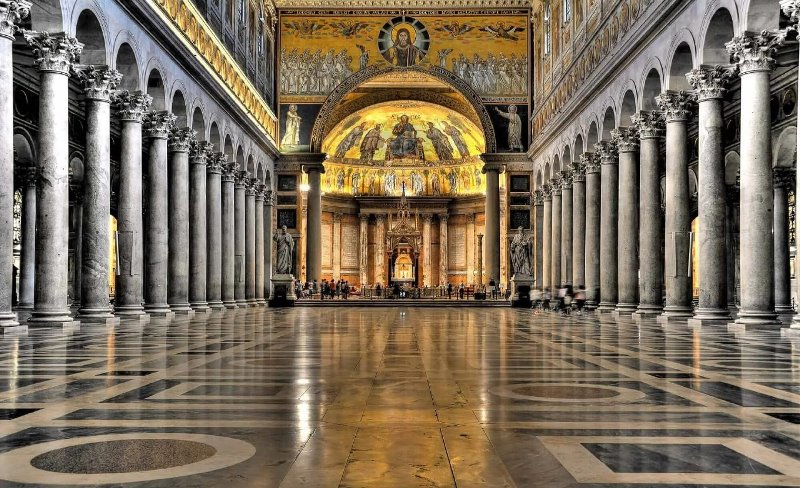
It is one of the four great papal temples and iconic landmarks of Rome. From ancient times to the present day, thousands of pilgrims have flocked here in search of forgiveness during a rite known as the “Holy Door”. The temple was erected in honor of the Christian Apostle Paul, who was martyred in 67 AD. The tomb of the apostle is located right next to the basilica, decorated with a memorial plaque. The facade of the temple is decorated with a mosaic depicting Christ surrounded by two apostles - Paul and Peter, as well as images of the four prophets of the Old Testament between the windows. The outer courtyard of the basilica is completed by a sculpture of St. Paul with a sword and a book.
Santa Maria Maggiore
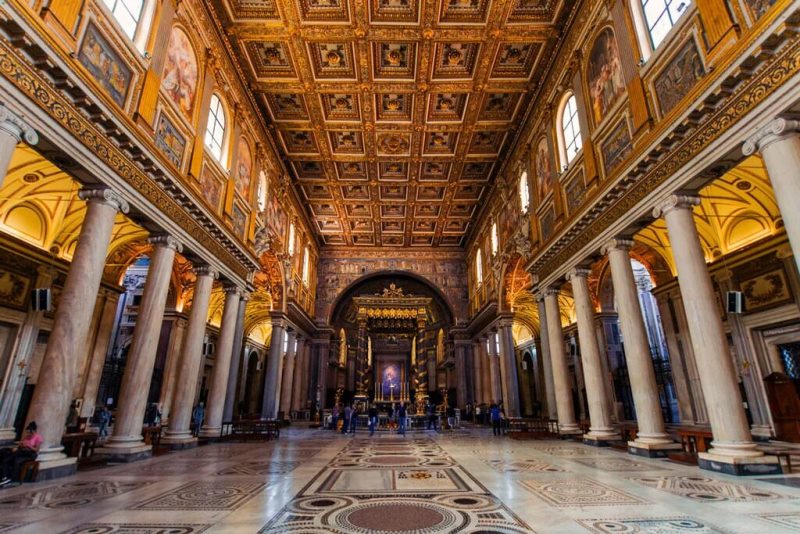
One of the four most important basilicas in Rome, the Church of Santa Maria Maggiore, dating back to the period of early Christianity, has become a real legend over time. According to legend, the Mother of God appeared to Bishop Liberius in a dream and ordered him to build a temple on the spot where snow would fall in the morning. In 352 AD. on the Esquiline Hill, which was actually covered with snow on the morning of that day, construction began on the future basilica. The succession of bishops led to gradual changes in its architecture, and today it impresses with a façade that combines Romanesque and Baroque styles. The interior decoration of the basilica, although it has been brought to perfection, still retains its original beauty and authenticity.
Il Gesu Church
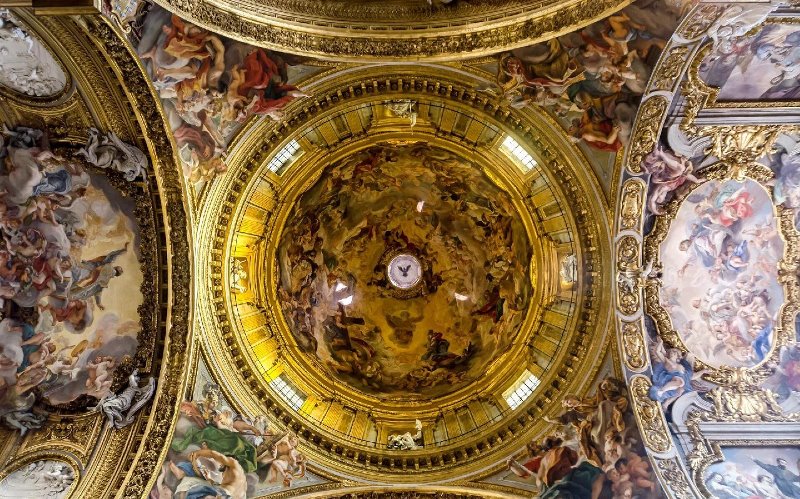
This famous temple is the main church of the Jesuits, in which the founder and patron of their Order, Ignatius of Loyola, is buried. Its history dates back to 1551, when Ignatius of Loyola decided to build this wonderful temple for the Order. The facade of the church is an interesting combination of Renaissance and Baroque styles - it was Michelangelo who designed the facade, which was later refined by his students and followers. The interior of the temple is decorated with rich stucco covered in gold, and its dome is decorated with an impressive fresco entitled “The Triumph of the Name of Jesus.” The splendor of decorative elements, paintings and the shine of gold inside the temple is truly amazing.
Great Synagogue or Tempio Maggiore
Excursions around Rome cannot ignore the largest Jewish house of worship - the Tempio Maggiore synagogue. This is the place where the most important religious ceremonies of the Jewish community are held. The history of the Jewish population in Rome goes back a long way, dating back to the period when Judea was an ally of the Roman Empire. A Jewish community has existed in the city since those times. After the unification of Italy and the abolition of the Jewish ghetto, all Jews were granted Italian citizenship, and the need arose to build a new synagogue. In addition to its main functions, the Great Synagogue today is the cultural center of the Jewish community.
Villa Medici
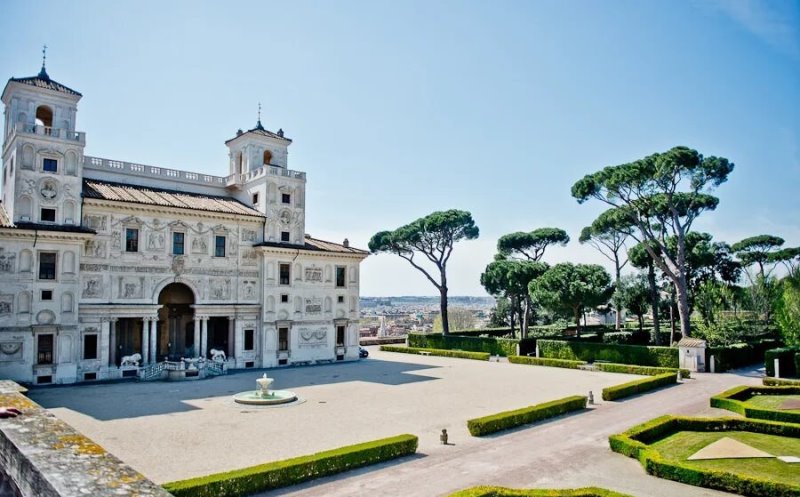
In the Middle Ages, the Italian aristocratic Medici family often rested in their residence, which today is a magnificent architectural and park complex that has survived to this day. This unique place, turned into a real museum of ancient art, amazes its visitors with its historical value and the skill of its architects and gardeners. Now the buildings of this villa house the French Academy of Arts, where exhibitions, concerts and other cultural events are regularly held. Inside the palace you can find a variety of exhibits - from antique furniture and prints to tapestries, as well as an extensive archive of documents telling about the rich history of art in this country.
Villa Borghese
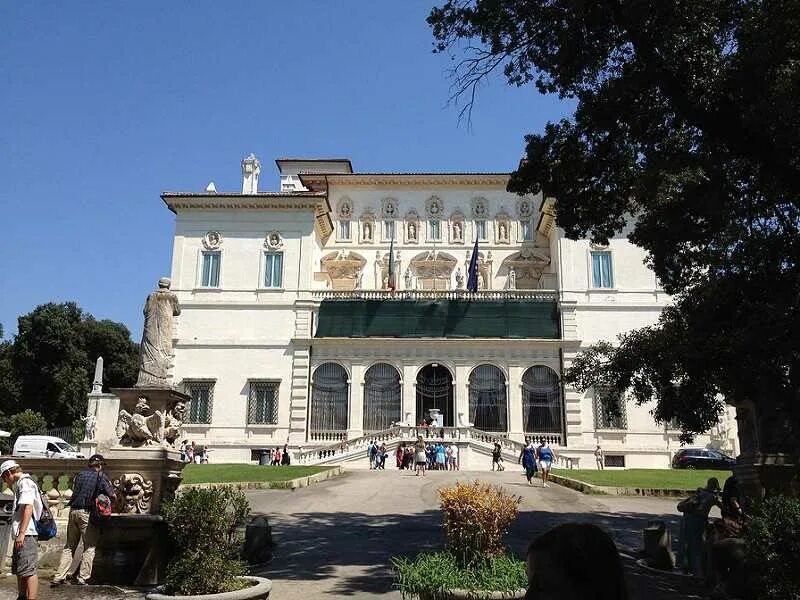
The Temple of Aesculapius was erected in the 19th century on the grounds of the Villa Borghese, inspired by the surrounding nature, in particular the lake in Stourhead Park in Wiltshire. A trip to the landscape parks of Rome is incomplete without visiting this unique complex, which ranks third in size among the city’s parks. The history of the villa dates back to the 17th century, when Cardinal Borghese ordered the land formerly occupied by vineyards to be turned into a park. Visitors to the park never cease to admire the majestic palace, an architectural masterpiece of the Middle Ages. Particularly noteworthy is the Borghese Gallery, which displays works of art that have become an integral part of the Borghese cultural heritage. In addition to the palace, there are other buildings in the park, including the building of the zoological museum, a botanical garden and a zoo.
Wax Museum
The Wax Museum in Rome ranks third on the list of the most significant museums in Europe, behind only Madame Tussauds in London and Grevin in Paris. This museum is the largest of Rome's city museums, spread across 11 rooms filled with approximately 250 wax figures. These figures surprisingly accurately convey the appearance of prominent politicians, scientists, cultural and artistic figures. Particular attention is paid to key figures of the 20th century, as well as exhibitions that realistically recreate entire historical events.
Bioparсo Zoo
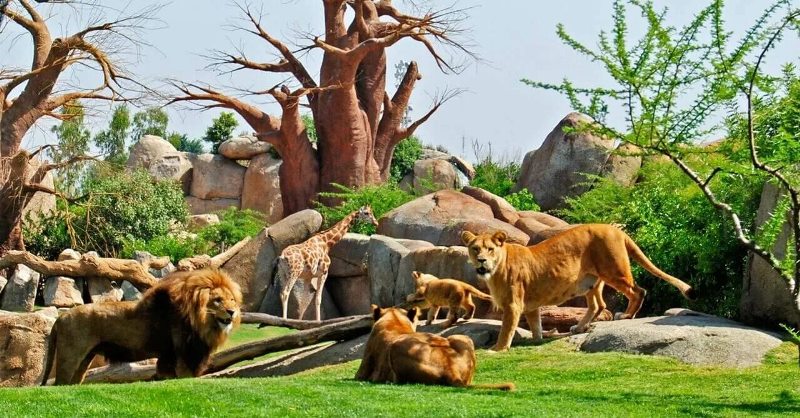
Villa Borghese, already familiar from the previous review, deserves special attention, especially when it comes to its zoo. This zoo, located on the territory of the villa, is a unique space created at the beginning of the last century to imitate the natural habitat of animals. Unlike conventional zoos, Bioparco does not use cages, preferring spacious and comfortable living conditions for animals on its 17-hectare territory. It is home to about a thousand different species of animals, including reptiles, mammals and many birds. A visit to this zoo is not only an opportunity to see the diversity of the animal world, but also to enjoy the combination of majestic architecture with natural comfort, leaving an unforgettable impression.
Pasta Museum in Rome
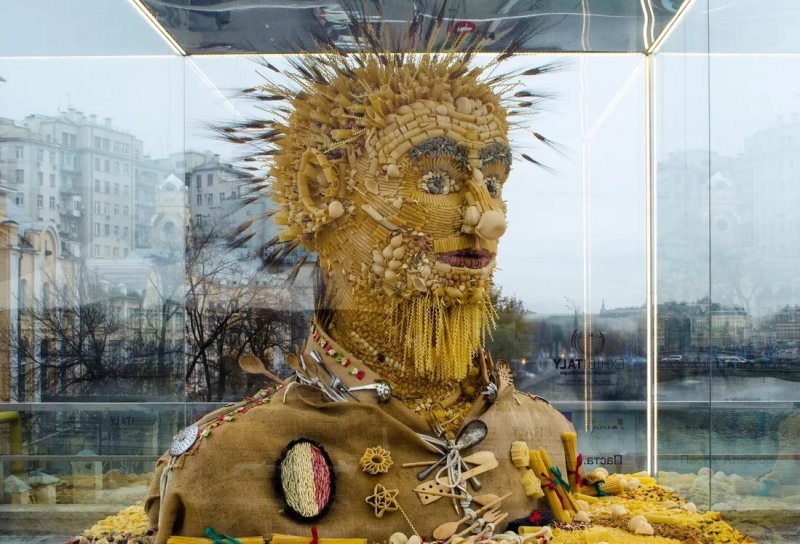
Everyone is familiar with the fact that pasta is an integral part of Italian cuisine, symbolizing the richness of tastes and traditions of this country. Italians skillfully prepare pasta in various variations, seasoning it with unique sauces and additives. At the museum, visitors can plunge into the fascinating history of the creation of pasta and its development, learn about production techniques from ancient sieves and rolls to modern equipment. The exhibition also includes historical documents, postcards and stamps that reveal some aspects of the history of Italian pasta.
All significant Attractions: what else to visit in Rome?
The Italian capital Rome is rich in historical and cultural attractions, and the list of interesting places in this city seems endless. Even after visiting the most famous attractions from the TOP list, you can always continue your journey by exploring other, no less amazing places. This list contains additional attractions in Rome that deserve your attention.
ViGaMus Video Game Museum
Lovers of the history of computer technology should go to the ViGaMus Museum. Here you will find more than four hundred exhibits located in thematic rooms. Among them are samples of computer equipment, computers, components, software, game consoles and consoles. Video games from all over the world have not been forgotten either. In addition to viewing the exhibits, visitors have the opportunity to plunge into the virtual world of modern games and go on an exciting imaginary journey.
Pyramid of Cestius
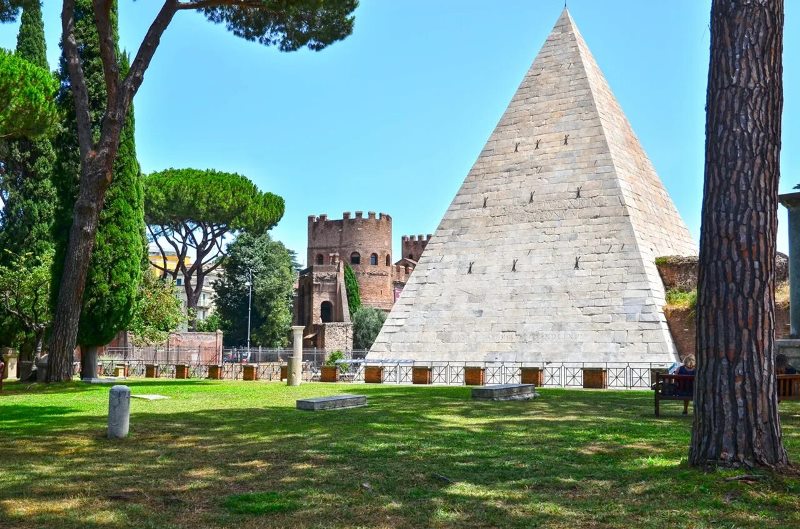
On the eastern side of the port of San Paolo, seeing a mysterious structure - the Pyramid of Cestius, built right into the wall of the old city, is amazing. How did the ancient Egyptian pyramid end up in Rome? This ancient monument was erected at the request of Caius Cestius, an outstanding politician of ancient Rome, back in 12 BC. After the Roman Empire conquered Egypt, many Romans were admired by its architecture, among them Cestius himself. His impressive position in society gave him the opportunity to fulfill his unusual dying wish - to be buried in a tomb similar to an ancient Egyptian pyramid.
Catacombs of Rome
One of the key attractions of Rome is the unique underground labyrinths, where for centuries Christians and pagans buried their dead. The history of the catacombs dates back to the 5th century BC, when a ban was introduced on burying the dead within the city. This ban served as the beginning of the creation of huge underground corridors intended for the eternal rest of the dead. Niches were carved into the walls of these corridors where the bodies were placed. Special niches with graceful arches were intended for the burial of martyrs and saints, creating a special atmosphere of sacredness and respect.
Antique Hippodrome
This hippodrome, located in the historical part of Ancient Rome on the left bank of the Tiber, is considered the largest of its kind. In ancient times, it was famous for its impressive size and was surrounded by spectator stands, where crowds gathered to watch various performances, including equestrian chariot races. This concept of a lists originated under the Fifth King of the Roman Empire, and in subsequent years the area was expanded and improved several times under various rulers. The last known race at the hippodrome took place around the 6th century AD. With the decline of the Roman Empire, the hippodrome gradually fell into disrepair, and in our time it has turned into a picturesque park area where you can enjoy quiet walks and take a break from the bustle of the city.
Appian Way
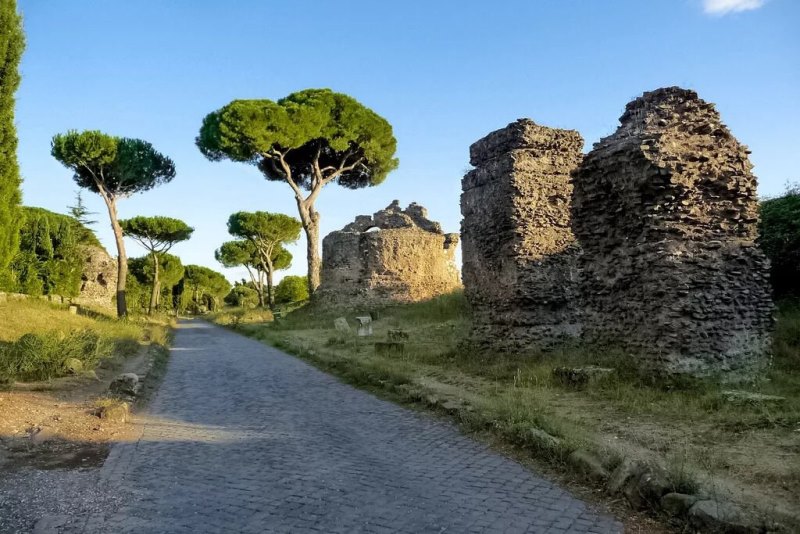
The "Queen of Roads", originally laid out as a powerful route connecting Rome with the leading countries of Egypt, Greece and Asia, over time became a symbol of trade and cultural exchange. Its construction, which began around the 4th century BC, stimulated the development of trade and connections with neighboring nations. This majestic artery has strong roots in history associated with the name of Appius, an outstanding Roman figure. Today, part of this historical route extends straight from the heart of Rome.
As you travel along ancient cobblestones, you'll bring history to life as you view the ancient gates of San Sebastian, explore ancient tombs and catacomb entrances, immerse yourself in the atmosphere of ancient sanctuaries and explore many other amazing artifacts. Each stone of this ancient road contains stories and secrets, ready to be revealed to those who bravely follow the path laid down over centuries.
The sunny capital of Italy opens its arms to everyone who wants to experience its unique charm and hospitality. Rome, the eternal city, is ready to win the hearts of its visitors, offering many exciting opportunities. Tours in Rome reveal the wealth of its cultural heritage hidden around every corner of its historic streets and majestic buildings. Hotels in Rome, combining luxury and sophistication, invite guests to enjoy the highest level of service. Don't forget to stop by magical Florence to continue your exciting journey through beautiful Italy.
Want to explore the greatness of Rome and discover its rich heritage? Contact the travel agency TourPoisk to search for tours and an ideal vacation to this eternal city. Under the guidance of experienced guides, you will be able to explore legendary sights such as the Colosseum, the Pantheon, the Forum of the Roman Emperors and many other historical sites. Don't miss the chance to immerse yourself in the atmosphere of ancient Rome and learn about its fascinating history. Entrust the guide to the managers of TurPoisk so that your trip becomes unforgettable and rich in impressions.


