
Each cuisine of the people is the result of a fusion of traditions, culture, historical factors, philosophy of life and features of the territory. Japan, being an island country, was isolated from the rest of the world for a long time, and the unique food system it created has no analogues. The Japanese pay special attention to food, which has become an object of worship and rituals, organically incorporated into the everyday life of the nation.
What is waseku
In 2013, at a meeting of the Intergovernmental Committee of UNESCO, the traditional Japanese cuisine waseku was included in the list of intangible cultural heritage. Nevertheless, it has long earned worldwide recognition due to its uniqueness and high popularity, based on simple but effective rules.
- Maximum variety and freshness.
- One of the key rules is maximum variety and freshness of ingredients. In addition, Vasek values the balance of ingredients, which emphasizes the natural taste of each product, rather than creating new flavors competing with nature.
- Observance of seasonality.
- Another important rule is to observe the seasonality of dishes. Vasek strives for a healthy and balanced diet, based on the principle of itiju-sansai, which stipulates that the main course should consist of one soup, three snacks of protein products and vegetables, as well as rice.
- Traditional Japanese holidays and meals are also closely related to vasek, which helps strengthen family ties.
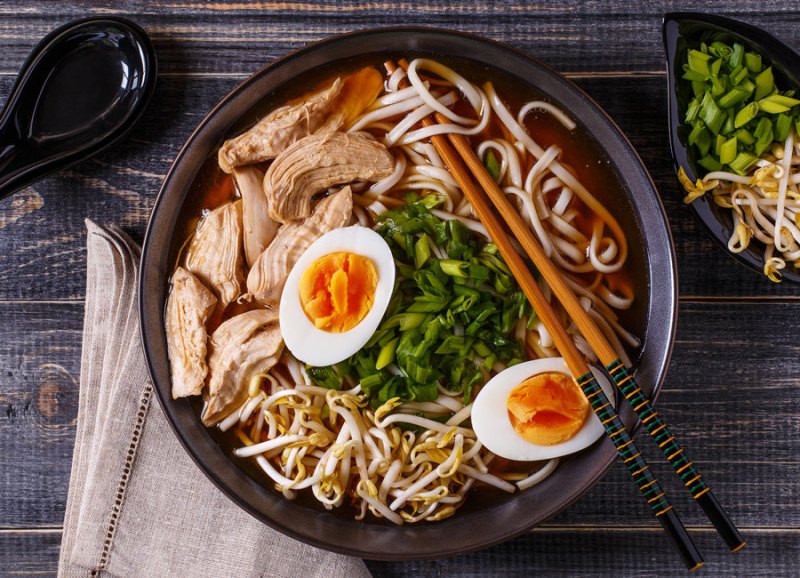
The cuisine of the Country of the Morning Sun is simple, but at the same time incredibly harmonious, refined, tasty and endlessly diverse. Its main principles were formed back in the medieval Heian era and are still followed.
In Japanese cuisine, there are five basic tastes called gomi: sweet, salty, spicy, sour and bitter. However, there is another, sixth taste called umami. This taste is characteristic of many protein products and broths made from them. Japanese chefs masterfully reveal the taste properties of umami.
In order to enjoy Japanese cuisine to the fullest, you need to enjoy everything: both the food and its presentation. The Japanese greatly appreciate the beauty, aesthetics and appearance of dishes. They pay attention not only to the choice of products, but also to the combination of forms, decor and color of dishes. At the same time, they adhere to the principle of seasonality and use five main colors - white, black, yellow, red and green, which should be presented on the table in various combinations that correspond to the current season and the ingredients of the dishes. In Japanese cuisine, even the use of chopsticks, called hasi, is part of table etiquette and adds a theatrical touch to dinner.
Japanese cuisine is rightly considered the standard of healthy food around the world. In her dishes, only fresh and diverse ingredients are used, and long-term storage products are excluded (with the exception of fermented ones). Cooks prepare dishes quickly and simply, and as much as possible, with minimal heat treatment to preserve the maximum amount of natural flavor and nutrients. Food is served in small portions, and satiety is achieved due to a large selection of dishes. In Japan, every meal, even a snack, is of great importance and should bring benefit and pleasure. Such a simple philosophy has brought the gastronomic traditions of Japan to a new level. Today, Japanese cuisine is a world treasure and a source of inspiration for the best chefs on the planet. Trying its dishes is one of the best reasons to visit the Land of the Rising Sun.
Dishes typical of Japanese cuisine
Sushi
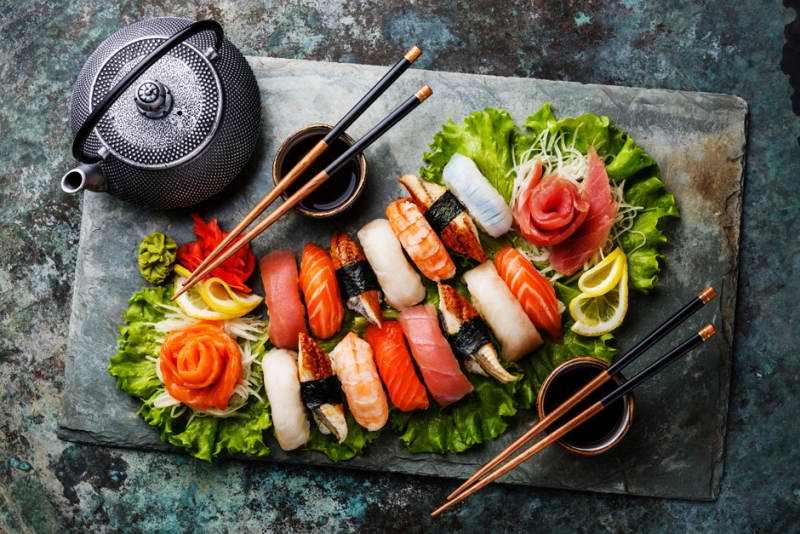
A dish that became popular all over the world in the 21st century. Despite the fact that most people are familiar with only a few of its varieties, in fact, the preparation of sushi has only one constant ingredient - special rice. However, thanks to the huge selection of fillings (fish, seafood, caviar, meat, vegetables) and various forms of serving, the variations of sushi flavors are practically limitless.
Makizushi (maki) is the most common type of sushi, often called rolls outside of Japan. This dish is a cylinder cut into 6 or 8 pieces, consisting of a sheet of nori (dried seaweed), rice and filling. Sometimes a thin omelette is used as a wrapper.
- Futomaki is a dish that differs from makizushi in its large size and the presence of several types of fillings that combine to create an interesting taste and a beautiful outer shell.
- Gunkan-maki are oval in shape and bordered by a strip of seaweed, and the filling is placed on top.
- Nigiri are pieces of fresh fish or shrimp served on a compact pillow of rice.
- Tirasizushi (chirashi sushi or baradzushi) is a traditional Japanese dish, which is a plate with rice and various fillings.
- Oshizushi is sushi that has the shape of pressed bars and is created with the help of an osibako wooden tool.
- Uramaki are a type of maki rolls in which the rice is on the outside and the filling is on the inside.
- Temaks are cone-shaped rolls that are made of nori and contain rice and various ingredients inside.
- Naredzusi is an ancient way of cooking by fermenting fish and rice for many months.
- Inaridzushi are pouches of deep-fried tofu, thin omelette, or dried pumpkin filled with rice.
Sushi is usually served with wasabi, pickled garu ginger and soy sauce to give it extra flavor.
Onigiri
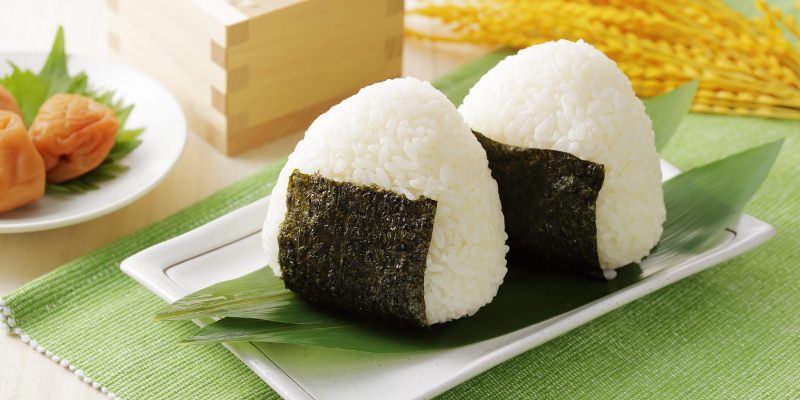
Omusubi, or ongiri, is one of the most popular dishes in Japan and is often served for breakfast or as a snack. These are rice balls with various fillings that can include vegetables, meat, seafood, etc. For example, in Tokyo, musubi with pickled umeboshi fillings, which have a specific sour-salty taste, are very popular. Omusubi can be triangular in shape and wrapped in a hole. Unlike sushi, the preparation of which requires a certain skill, musubi is prepared by girls, and it can be bought almost everywhere - in supermarkets or vending machines for a very affordable price.
Tempura
Tempura is another iconic dish of Japanese cuisine, deep-fried with fresh shrimp, fish and vegetables and covered in a crispy batter of egg, ice and flour beaten until bubbles form. When in contact with boiling oil, tempura quickly opens up like a flower, which is called "hanaage" in Japanese. To prepare the tempura sauce, they use "tentsu", which consists of a broth based on kombu algae or dried mackerel, sweet mirin rice wine, and soy sauce. To refresh the taste, pickled ginger and grated radish are served on the table.
Sashimi
Sashimi is a dish of Japanese cuisine consisting of thinly sliced pieces of raw food. Although most people associate sashimi with fish and seafood, it can actually be any raw meat. For example, gyusashi is beef sashimi, shikasashi is venison, torisashi is chicken, and basashi is horse meat. The classic way of serving sashimi includes wasabi, ginger, daikon and perilla leaves (siso). When ordering shikasashi, the kit can also include citrus fruits, which give a brighter taste to deer meat. And you can add green onions to the basashi to give the dish additional freshness.
Ramen
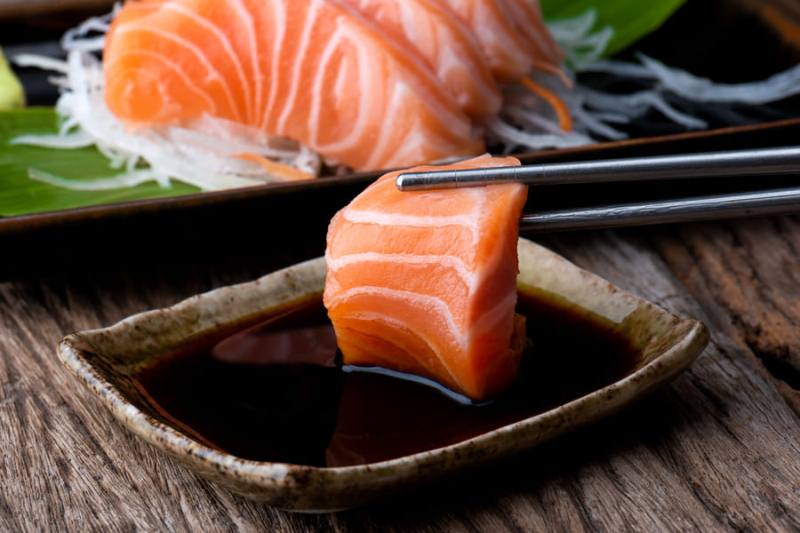
Ramen is another famous Japanese dish that is loved all over the world. This is a hot soup made on the basis of fresh wheat noodles, seasoned with aromatic broth and various additives. At the beginning of the 20th century, the dish was brought to Japan from China, and very quickly became popular among local residents. The composition of ingredients in ramen can vary depending on the region, city and specific restaurant where it is prepared. There are many different ways to prepare this dish, as well as original recipes. Ramen is usually served with pork loin, memma bamboo shoots, pickled shiitake mushrooms, pickled tsukemono, mung bean sprouts, fresh spinach and green onions, as well as boiled or fried eggs. There are four main types of ramen broth:
- Shio is a clear and light broth with a pronounced salty taste, which is obtained by boiling sea salt and water.
- Siu is a sauce based on soy sauce with a light aroma and a light brown color. It is used as a seasoning for various dishes.
- Miso is a thick and opaque broth made from soybean paste that has a savory flavor. This broth can also be used to add to various soups and dishes.
- Tonkotsu is a broth made from pork bones, cooked for 12 to 20 hours, has a rich flavor and a somewhat viscous texture. It is widely used as a base for preparing ramen and other dishes.
Yakitori
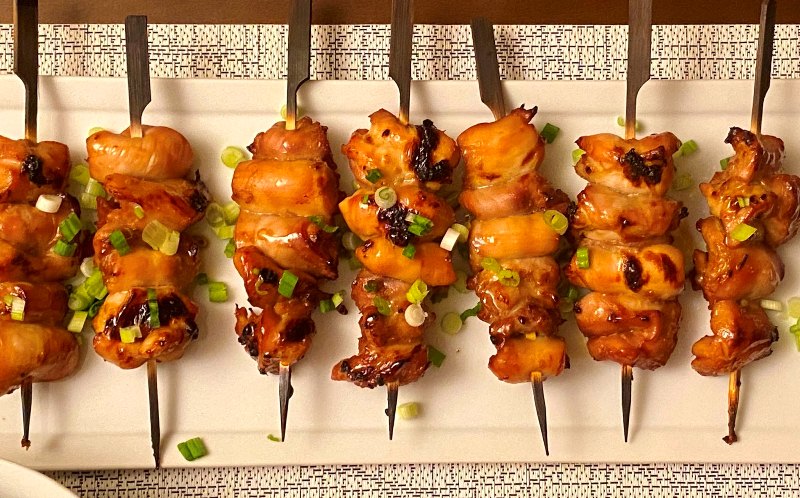
Yakitori are delicious chicken skewers grilled on bamboo skewers over charcoal. The Japanese consider this snack to be a perfect addition to alcoholic beverages and like to treat their friends and colleagues with it. Yakitori is presented in different variations. Chefs use all parts of the chicken – breast, thigh, skin, liver, heart and cartilage. Each type of meat is strung on a separate skewer. Before cooking, the meat is marinated in rice wine, soy sauce, sugar and salt, and then served with its tare sauce. In addition to chicken, other types of meat or vegetables can be used. One of the fanciest options is shiitake and enoki mushrooms wrapped in bacon along with green onions and shishito peppers.
Udon
Udon is a hearty wheat noodle that is 2 to 4 mm in diameter and does not contain eggs in its composition, unlike ramen. After cooking, the noodles become soft and elastic to the touch. Udon can be eaten both hot and cold. It can serve as a side dish to meat and vegetables, but is most often served with dashi broth, to which mirin rice wine, green onions and soy sauce are added. Chicken, shrimp tempura, tofu and other ingredients are also added to the noodles, which can vary depending on the season, region and personal preferences. The main thing is to create a balanced taste and enjoy this appetizing dish.
Miso soup
Miso soup is a traditional Japanese dish that is usually served as a side dish to the main course, with the exception of desserts. It is prepared from a broth based on dashi and miso paste, which is obtained by fermenting soybeans. Various ingredients such as green onions, wakame seaweed, tofu, sweet potato, daikon, shrimp, fish, mushrooms or meat are added to the soup to give it a variety of flavor and nutrition. Miso soup is a light dish that contains many vitamins and minerals and is widely popular in Japan. There are many regional variations of this soup - from the simplest to luxurious, for example, with crab meat. In addition, many Japanese use miso soup to fight hangovers.
Soba
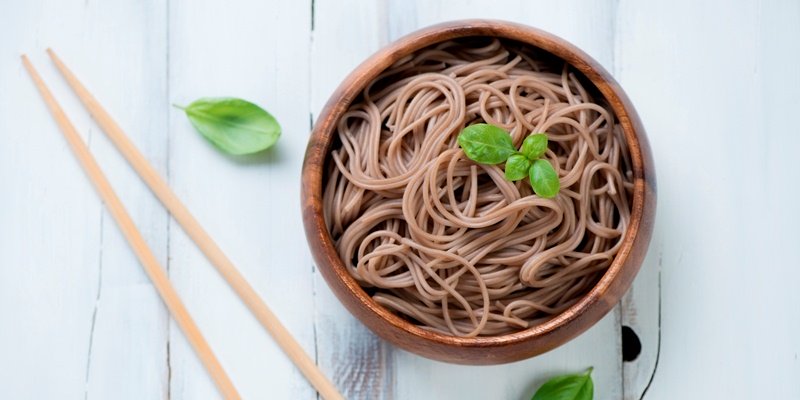
Soba is a thin gray-brown noodle made from buckwheat flour with a small amount of wheat flour added. The Japanese have been using it for over five centuries and sell it both in cheap establishments and in elite restaurants. In the process of cooking, soba maintains a dense consistency. In the summer, it is usually served cold and dipped in a tsuyu sauce made from soy sauce, mirin, sake and dashi broth, which is a kombu seaweed broth infused with bonito flakes. In the cold season, soba is most often eaten in the form of noodle soup with hot broth. Various seafood, chicken, beef, eel, fried tofu and other products can be used as additional ingredients. There are also vegetarian options, prepared with the addition of chopped seaweed and seasonal vegetables.
Tonkatsu
Tonkatsu is a pork cutlet, breaded and deep-fried. This simple and nutritious dish is often used as a filling for sandwiches or served as a set meal with soup, rice, coleslaw and other side dishes. Tonkatsu is usually topped with a special sauce of the same name, which has a dark color, a thick texture and a sweet and sour taste. The dish is widely available in inexpensive restaurants, snack bars, grocery stores, and shopping malls. You can rarely find a variation of this dish made from beef and called gyukatsu.
Economiyaki
Okonomiyaki is a snack that is loved by both local Japanese and visitors to the country. It is a cake that is prepared on a teppane - a hot metal stove. The dough for it is prepared from grated cabbage, flour, eggs and a small amount of dasa broth. In the classic version, it is poured with a special sauce and sprinkled with dried tuna shavings or chopped aonori seaweed. Depending on your preferences, you can add pork, seafood, beef or vegetables as additional ingredients.
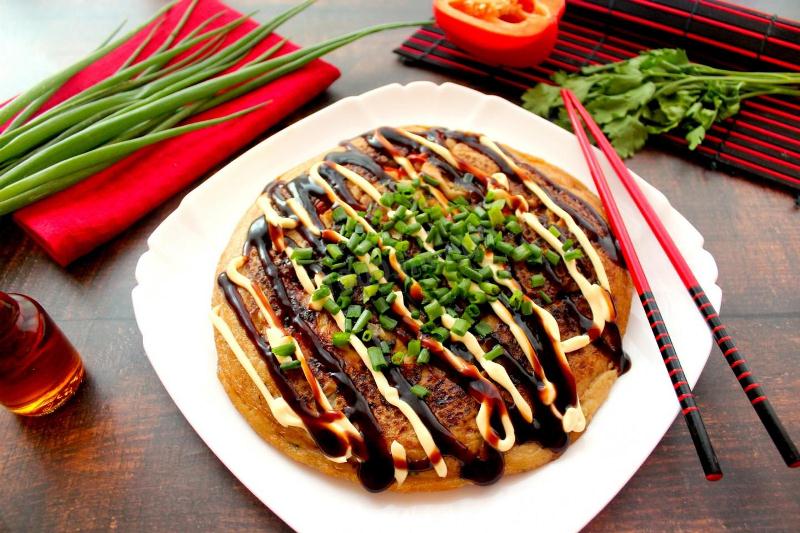
Cooking techniques and types of filling may differ depending on the region. For example, the most popular versions of okonomiyaki are prepared in the Kansai region and Hiroshima. In Kansai, okonomiyaki are made from flour, nagaimo yam, dashi, eggs, cabbage, pork belly, octopus, squid, shrimp, mochi (glutinous rice dough) or cheese. In Hiroshima, for example, more than 2,000 restaurants offer their own versions of okonomiyaki, which use the same basic ingredients but are fried separately and placed in layers. In addition, noodles, eggs and sauce are added, which gives the dish a special taste and aroma.
Karaazi
Karaazi is a cooking technique in which pickled foods are rolled in flour or starch and deep-fried. Although the word "karaage" is not the name of any specific dish, the Japanese most often refer to chicken cut into small pieces and fried until golden brown. This dish is one of the most popular beer snacks and is commonly offered at many izakaya. However, seafood and fish lovers should not be left out either, as there are many variations of this seafood dish. Karaage is served with a lemon wedge and dipping sauce.
Unagi
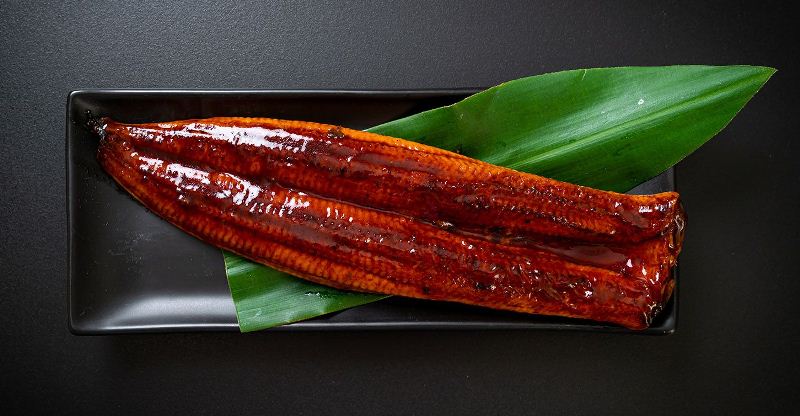
Unagi is a type of river eel that is a delicacy due to its delicate and sweet taste. One of the most popular ways to prepare unaga is kabayaki - when the fish is covered with a sweet tare sauce and caramelized over charcoal. If the eel is served on a pillow of steamed white rice, the dish is called unadon. Unagi can also be used fried or smoked as an ingredient in sushi and miso soup. Unlike other types of fish, unaga is never served raw. In Japan, the best time to harvest fresh eel is from May to October.
Natto
Natto is one of the ambiguous dishes of Japan, which causes conflicting feelings among local residents. These are fermented soybeans, often served with rice, green onions, and a raw egg seasoned with soy sauce and cruciferous mustard. Natto has a strong smell with hints of ammonia, which can make the consistency seem sticky and sticky, which may cause some people to dislike it. However, some value it for its healing properties, which have been confirmed by several studies. The dish is usually served for breakfast, and soybeans must be thoroughly mixed before consumption.
Wagyu and Kobe beef
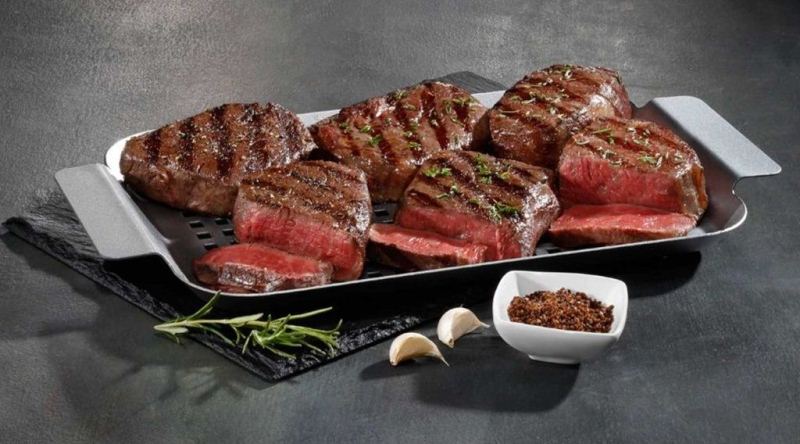
Wagyu marble steak and its exclusive Kobe variety are among the most expensive delicacies that can be tasted in Japanese cuisine. The best place to enjoy this flavorful meat is in specialty restaurants that prepare steaks on the grill or in a teppan pan. To preserve the taste of beef, chefs use only a minimal amount of spices and salt. It is recommended to choose a degree of roasting no higher than medium, so that the marble fat reaches the desired melting temperature. Fresh seasonal vegetables are often served as a side dish to steak.
Syabu-syabu
Syabu-syabu is not an ordinary dish, but a real culinary performance in which restaurant guests take an active part. In front of the visitor is a stove with a special cauldron in which the broth is boiling. The ingredients are lowered into the cauldron for a short period of time. When they start to float with a characteristic sound, it means they are ready. This is how the dish got its name "syabu-syabu". The customer chooses which ingredients to use. It is usually thinly sliced beef, but you can also taste pork, chicken, duck, crabmeat or lobster. In addition, it is suggested to use tofu, vegetables and mushrooms that do not require long cooking. Two types of sauces are served with the dish - goma (based on sesame paste) and ponzu, which includes citrus juice, mirin and dashi. After the ingredients are cooked, you can cook noodles or rice in the remaining broth and complete the dinner with this dish.
Hudon
Gyudon is one of the most popular lunches among office workers in Tokyo. This dish consists of thinly sliced beef stewed in a fragrant dashi broth, onions, mirin and soy sauce. Gyudon is served on a pillow of steamed or boiled rice, as well as with pickled ginger and spicy dry seasoning shichi togarashi. Miso soup is usually served with gyudon as a side dish. This is a simple but nutritious dish that quickly gives energy and satiates.
Such
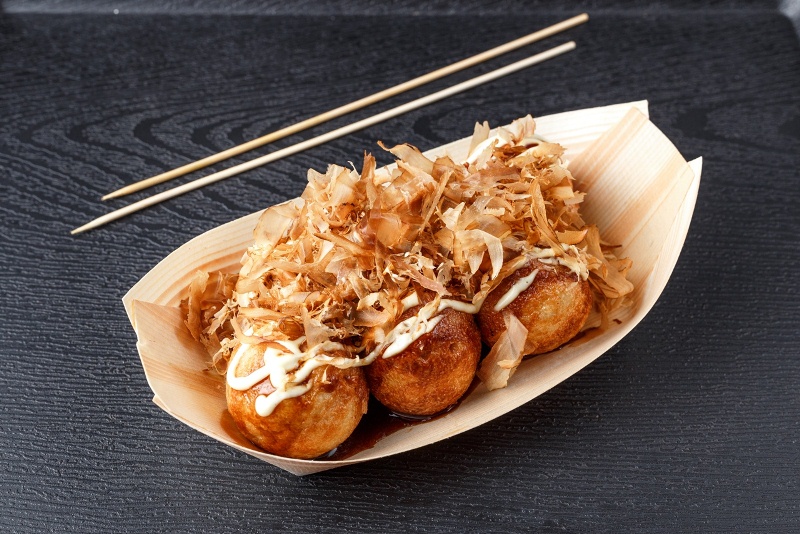
Takoyaki is one of the most famous snacks in Japan. Its base consists of balls of soft dough, inside of which there are boiled pieces of octopus, tempura, green onions and pickled ginger. Balls are fried in a special pan with hemispherical recesses on the street or in a cafe. After frying, the takoyaki are covered with an aromatic sauce and Japanese tamago-no-mono mayonnaise, and topped with aonori seaweed and tuna shavings. It is important to eat the dish while it is hot, because after it cools down, it may become rougher in taste.
Gyoza
Gyoza is a crescent-shaped product made of thin dough. Depending on the preferences, the filling can be prepared from meat with vegetables, seafood or even fruit, and also supplemented with onions and garlic. There are several ways to prepare gyoza: yaki-gyoza (stir-fried in a pan with a little oil and water), age-gyoza (deep-fried), sui-gyoza (boiled), and musi-gyoza (steamed). In addition, it is recommended to try ebi gyoza - gyoza with a filling of chopped shrimp and rice, which will especially appeal to gourmets. Usually, gyoza is served with a sauce made of soy sauce, rice vinegar and spicy oil, which adds flavor to the dish.
The most popular drinks
The Japanese are known for their ability to adapt experiences from other countries to create their own unique drinks. This can be seen in the list of popular alcoholic and non-alcoholic drinks that the Japanese consume not only for pleasure, but also as part of their culture.
Sake
Sake is a drink that has long been a symbol of Japan. For its production, special varieties of rice are used, which are fermented. In Japan, this drink is called nihonshu, and the official name is seishyu. Sake strength can range from 14 to 20 degrees. It can be transparent, light yellow, greenish or nut-colored. The taste of the drink may contain notes of tropical fruits, apples, pears, grapes, bananas, baked quince, mature cheese, soy sauce or fresh mushrooms. The aroma of the drink reveals notes of spicy herbs, flowers, fruits, grains, wood and vanilla shades. Premium varieties such as Daiginze, Junmai Daiginze, Ginze and Junmai Ginze have the richest and most delicate taste, with a long and fresh aftertaste. However, the Japanese prefer to drink lower-grade sake, such as honjezo or junmai, as well as futsushu, a table sake, with food. When serving a premium-class drink, it is drunk chilled or at room temperature, while low-class sake is served warm.
Network
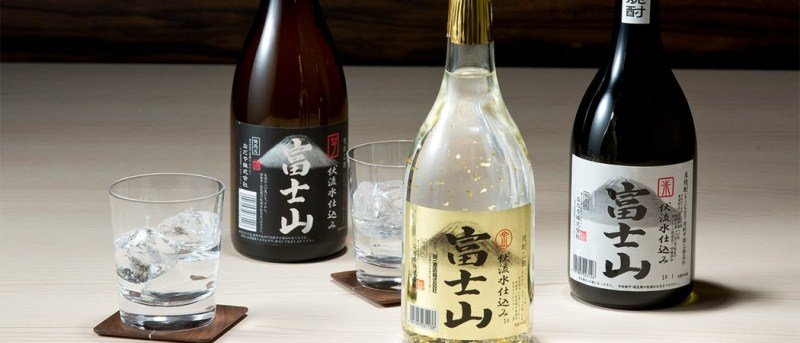
Mereju is another type of alcoholic drink popular in Japan. It is made from rice and may contain additives such as buckwheat, sugar cane, sweet potato or wheat. The result is a clear liqueur that, depending on the ingredients, can taste like Korean soju, Russian vodka, rum or caramel whiskey. The network is available in two forms - koruy and zatsuruy. The fortress of the first option should exceed 36 degrees, and the second - 45 degrees. However, most often, they are diluted to the more popular fortress of 25 degrees. The network is best consumed chilled or with the addition of ice in small sips. It can also be used as an ingredient in cocktails, combining with soda, fruit juices and even milk oolong.
I will interfere
Umeshu is an alcoholic drink made from the iconic Japanese ume plum. Although it is called wine, in terms of production technology it is closer to liqueurs or liqueurs. To make it, ume fruits insist on alcohol with the addition of sugar, resulting in a drink with a tart, sweet taste and a deep aftertaste. Umesha is often served as an aperitif to light snacks and meals. In the summer it is drunk with ice, and in the winter - hot, according to the principle of mulled wine. In addition, umisha is often added to cocktails, mixed with sparkling water, green tea, fruit juices or even gin.
Beer
Beer is very popular in Japan and its consumption is often accompanied by social events such as drinking after work. On sale you can find both big brands that have existed for more than a hundred years, as well as products of small craft breweries. The most famous manufacturers on the market are Asahi, Kirin, Sapporo, Suntory and Orion. In Japan, beer began to be produced taking into account barley malt in the 19th century. Before that, rice and sorghum were used for its production. Modern production is based on world standards and principles, and the largest share of the market is occupied by light camps. But apart from that, Japan has its own unique types of this drink, such as Happosyu, which contains less than 25% malt and is made from local grains and beans, and Happosai, which is made from soybeans without the use of malt. These drinks have a sweet taste. Traditionally, seasonal beer is brewed in Japan, for example, autumn beer has a higher strength - 6% against the standard 5%.
Match
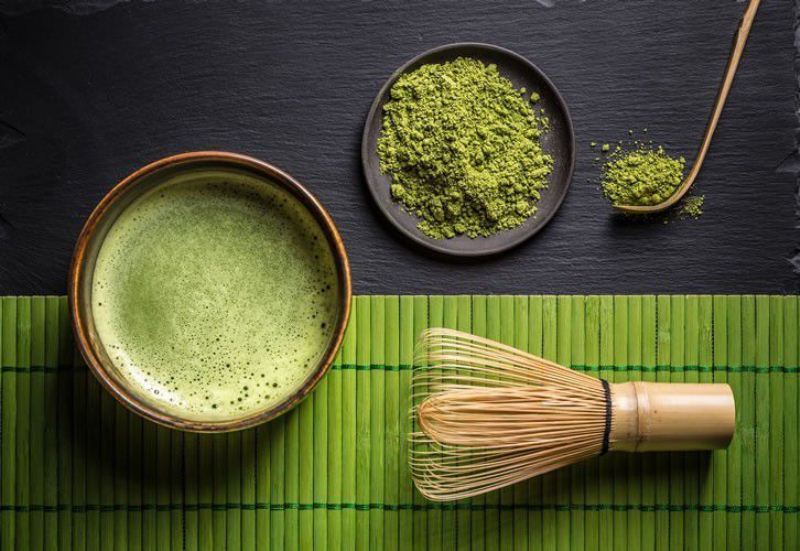
Powdered green matcha tea has been produced in Japan for several centuries. The technology of its production was improved and led to the creation of a unique product that became known all over the world. The Japanese use matcha not only for the classical tea ceremony, but also in everyday life. It is available as a hot or cold drink in vending machines, cafes and restaurants, and is also used in cooking to create a variety of dishes and drinks. Matcha is added to pastries, mousses, ice cream, candies and chocolate, as well as milk, fruit and alcoholic cocktails. The ceremonial match is the most expensive and has a fresh, sweet-creamy taste with a barely perceptible bitterness, a harmonious aftertaste and a delicate aroma. The premium match has a more pronounced bitterness and marine notes in the aftertaste. The culinary variety of tea has a tart taste and herbal aroma. There are two ways of preparing matcha: kotya (strong), which is used during the tea ceremony, and usuti (weak), which is drunk without strict formality in the circle of family or friends.
Whiskey
Whiskey is a drink that began to be produced commercially in Japan in 1924. At that time, almost all production of Japanese distilleries was supplied only to the local market. However, in 2001, the situation changed dramatically thanks to an international tasting organized by Whiskey Magazine. Yoichi single malt whiskey from Nikka, aged for 10 years, was recognized as the best in this competition, beating the famous Scotch whisky. This success helped Japanese manufacturers to occupy their niche in the world market. The most popular whiskey brands include Suntory (Yamazaki and Hakushu distilleries), Nikka (Yoichi and Miyagikyo distilleries), Kirin (Fuji Gotemba), Chichibu, Shinshu and White Oak. They produce different types of whiskey, both single malt and blended, with a variety of aromas and tastes - from classic smoky and peaty to light floral and fruity. Japanese whiskey can be consumed both neat, with ice or water, and in cocktails.
Japanese desserts
Japanese desserts are a real treasure for those with a sweet tooth. They are a unique combination of unusual flavors and skillful presentation. Each dessert has its own unique aesthetic that differs from the usual standards of Western cuisine. Japan offers many different sweets that can surprise and delight even the most experienced gourmets.
Vagasi
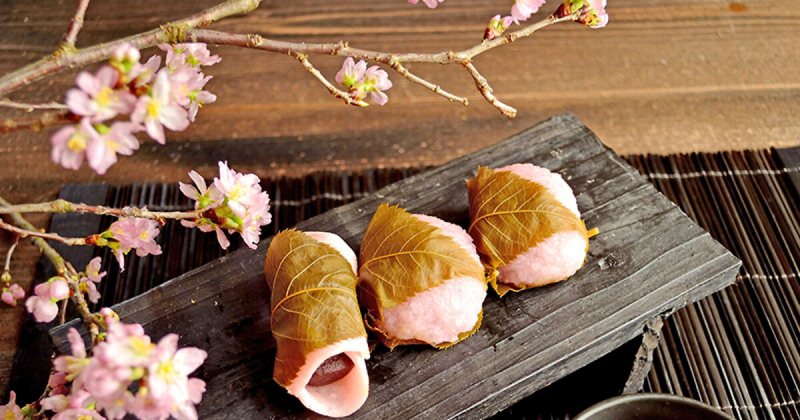
Wagashi is a general name for traditional sweets that are usually served with tea, not as a dessert. These sweets appeared last year in Japan in the 8th century and have since become an integral part of Japanese culture. Wagashi is made with only natural ingredients such as beans, rice, sweet potato, chestnuts, spices, agar-agar, tea and wasanbon cane sugar. The design of desserts is also very important and follows the canons of natural forms, which can change depending on the season. There are three main types of wagashi:
- Namagashi are sweets that are made from natural, unprocessed products and are only eaten fresh, often during a tea ceremony.
- Higashi are dry sweets made by pressing sugar, bean or rice flour. They can be stored for several months.
- Khan-namagashi, in contrast to namagashi, are prepared from products that have been subjected to heat treatment. These sweets can be stored for several weeks.
Confectioneries prepared according to adapted European recipes using milk and eggs are called nanban-hashi in Japan.
Dorayaki
Dorayaki is another common snack in Japan. These are two soft pancakes that usually contain a filling. Anko is usually used. Pancakes are made from sponge dough, known in Japan as castella. After baking, the dough becomes porous and light, and thanks to the addition of honey, the dessert turns out to be very aromatic.
Jokan
Yokan is a very popular dessert among the Japanese, which is often given as a gift to friends and relatives. It is made from beans, sugar and agar-agar, and the dessert itself has a jelly-like consistency and a briquette shape. Before serving the dessert on the table, it is cut into small pieces. There is also a type of dessert called neriokan, which is denser in texture. Another variety is mizuekan, which contains more water and is often used chilled in the heat of the year. Jokan can be supplemented with flavorings such as persimmons, sweet potatoes, figs, chestnuts or nuts, as well as sweet adzuki beans.
Daifuku mochi
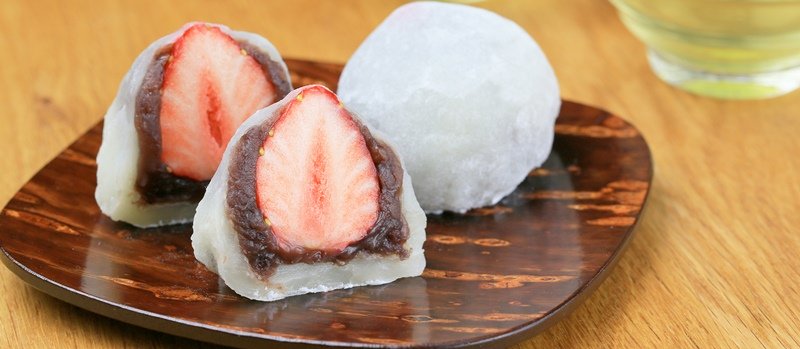
Daifuku mochi is one of the most famous types of Japanese sweets, belonging to the type of wagashi. This dessert is a ball of glutinous rice wrapped in a sweet red adzuki bean paste called anko. The original version of the dessert has a white, pastel green or pale pink color and is sprinkled with a thin layer of starch, powdered sugar or cocoa powder. Additional ingredients can be berries or fruits that add bright colors and taste notes.
Taiyaki
Taiyaki is another famous Japanese dessert that people like to buy at supermarket food courts or street stalls as a snack. It is a waffle in the shape of a fish (usually sea bream) with different fillings. The filling can be a sweet paste made of white or red beans, sweet potato, cream, chocolate, berry or fruit jams. You can also try taiyaki with salty fillings such as cheese, sausage or even okonomiyaki.
Dango
Dango is a dessert that became famous all over the world thanks to its depiction in Japanese anime. This dessert is dumplings made of rice flour, strung on a skewer in the amount of 3 or 5 pieces. They can have a natural color or dyed in pastel shades with the help of red beans or green tea. There are many ways to prepare and serve dango, including coating it with anko paste, kinako soybean flour, sesame seeds, or mitarashi sauce. Some types of dumplings are cooked on the grill or teppan pan, and also wrapped in sasu (young bamboo shoots). You can always buy dango in shops and street stalls. This dessert is especially popular at fairs, cherry blossom festivals, autumn solstice celebrations and New Year holidays.

Ice cream
In Japan, ice cream is presented in many options, different in taste and way of serving. One of the most popular types is mochi ice cream - creamy treats in a thin rice dough shell. There is also an original version of a cold dessert, which is hidden inside small plastic bottles. To refresh yourself in the heat, you can buy a glass with chopped ice soaked in fruit juice. Lovers of classic serving in the form of a horn will also find their option, because a huge number of flavors are presented here - from traditional (chocolate, vanilla, nuts, fruits) to unusual (wasabi, miso, soy sauce, tempura, seafood, fried meat, sake , tofu, boiled eggs, ramen and even ammonia). Therefore, horns painted with squid ink or covered with gold dust no longer cause as much surprise as before.


