
Christmas is one of the most expensive and popular holidays in the world. This holiday is associated with coziness, a festive tree, twinkling garlands and delicious dinners with the family. Each country has its own unique traditions of preparing and celebrating this bright event. Some people start preparing desserts long before Christmas to ensure they reach the highest taste, others enthusiastically select the best fish and turkey, and some prefer to celebrate the holiday at a fast food restaurant. Regardless of the specific approach, Christmas brings joy and hope that the coming year will bring even more joy and good fortune. And the richness of flavors and unique atmosphere help create a positive mood for this special day.
Christmas pudding (UK)
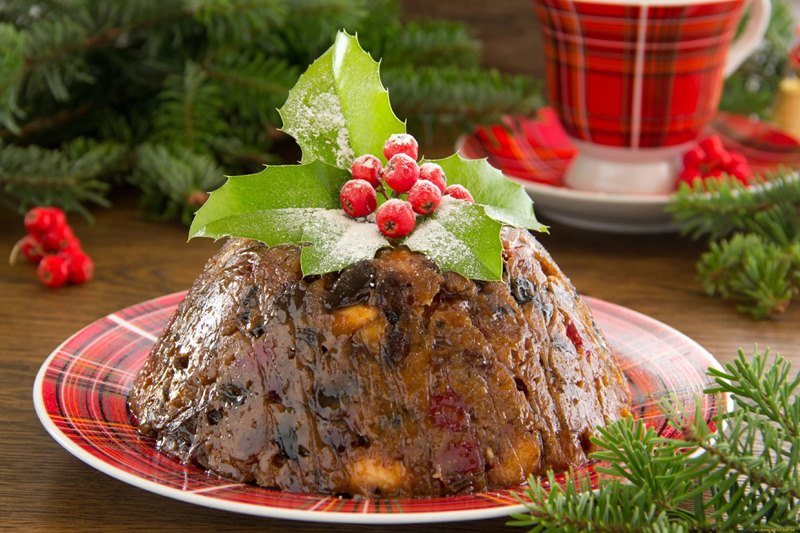
The UK is famous for its traditional Christmas pudding, which is an integral part of the festive dinner. Despite the name, this dessert does not contain plums, as you might think, and in fact its name is related to the word “plum”, which was used in the Middle Ages to mean raisins.
This delicious dessert includes raisins, bread crumbs, sugar, butter and aromatic spices such as cloves, cinnamon and nutmeg. A special feature of Christmas pudding is its serving - before serving, the pudding is poured with brandy, rum or other strong alcoholic drink, after which it is set on fire to give it a special aroma and taste.
Another interesting feature of this dessert is that it is prepared long before Christmas - several weeks before the holiday. This gives the pudding time to “ripen” and acquire the rich taste that the British appreciate so much during this special festive period.
Kutya (Ukraine)
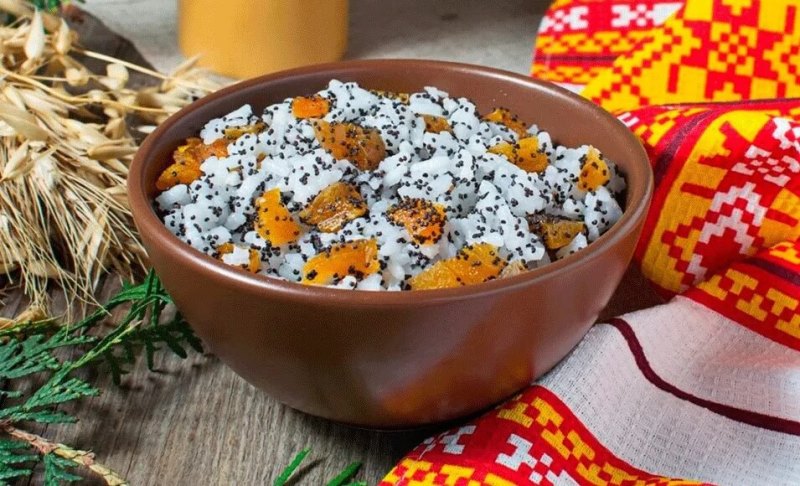
Kutya is a dessert dish typical of Ukraine. The basis of kuteya is porridge made from wheat, barley, and sometimes rice. Honey, poppy seeds, raisins and nuts are added to this porridge, giving the dish a rich taste and texture. Depending on the region of Ukraine, kuti recipes may vary in the composition of cereals and the type of additives.
However, regardless of the region, an important attribute of kuteya is always sweetness and symbolism. According to tradition, godchildren prepare kutya and take it to their godparents for dinner. This action is called "taking the supper." In gratitude for this gesture, children receive gifts from their godparents, which makes this ritual especially significant for family and religious traditions in Ukraine.
Latkes (Israel)
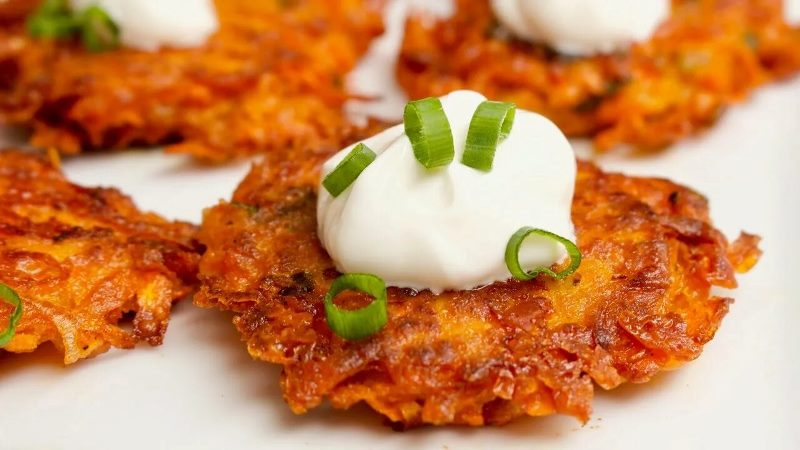
In Israel, latkes are an integral part of the festive table during Hanukkah. These pancakes, made from finely grated potatoes, are fried until golden and crisp in a generous amount of oil. They are usually served with juicy sour cream or delicious apple sauce. Making latkes has become a tradition, reminiscent of the miracle when the oil in the temple lamps burned for 8 whole days without running out. And although the first versions of latkes were, however, made from cheese, this delicious tradition came to us from the distant Middle Ages.
Kuciukai (Lithuania)
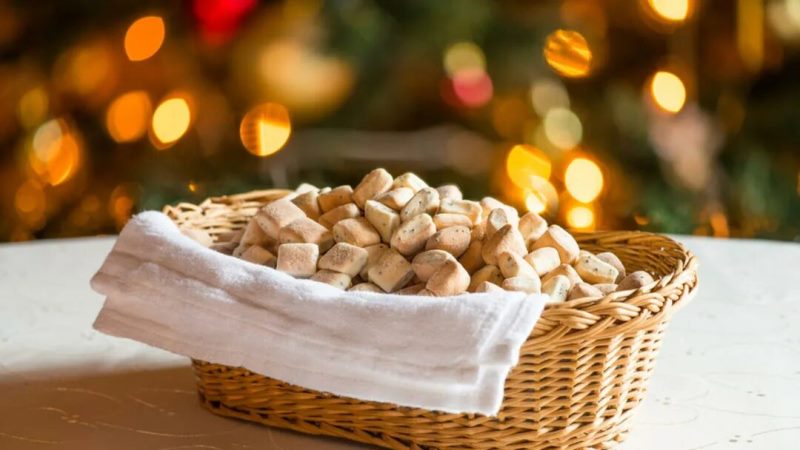
Küciukai are small Lithuanian poppy seed cookies that are part of the traditional Lithuanian Christmas dinner known as Kūčios. These cookies are usually served in combination with poppy seed or cow's milk to give them a softer texture and richer flavor.
During Kucios in Lithuania, it is customary to serve 12 dishes, which mainly consist of fruits, vegetables, mushrooms and fish. It is important to note that there is no meat on this festive table, and this is one of the features of this traditional Lithuanian meal.
Stollen (Germany)
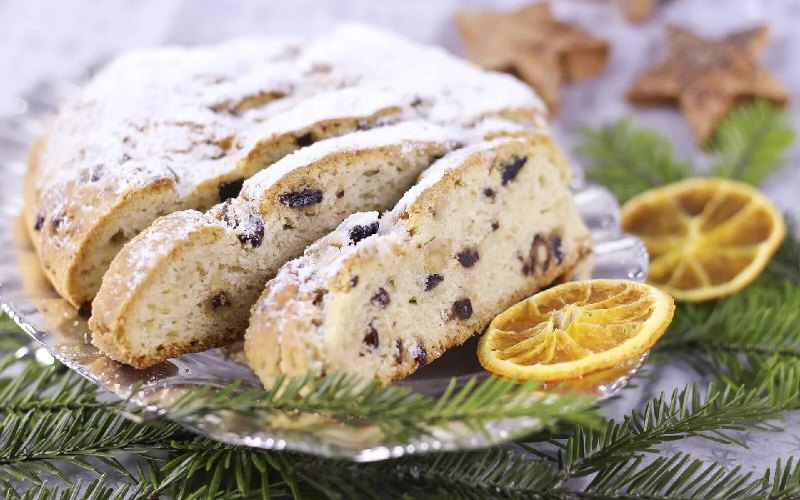
Stollen is a traditional German cookie whose shape and color resembles the baby Jesus wrapped in swaddling clothes. Depending on the recipe, stollen may include candied fruits and raisins, as well as nuts, marzipan and poppy seeds. It is based on a special yeast dough enriched with flour and butter.
After baking, the stollen is generously soaked in melted butter and sprinkled with powdered sugar, giving it a unique taste and aroma. In Germany, stollen is often prepared in advance and stored for a month or even three to intensify its flavor.
The first mention of stollen dates back to the 14th century, making it one of the oldest and most beloved desserts in German cuisine.
Christmas carp (Czech Republic)
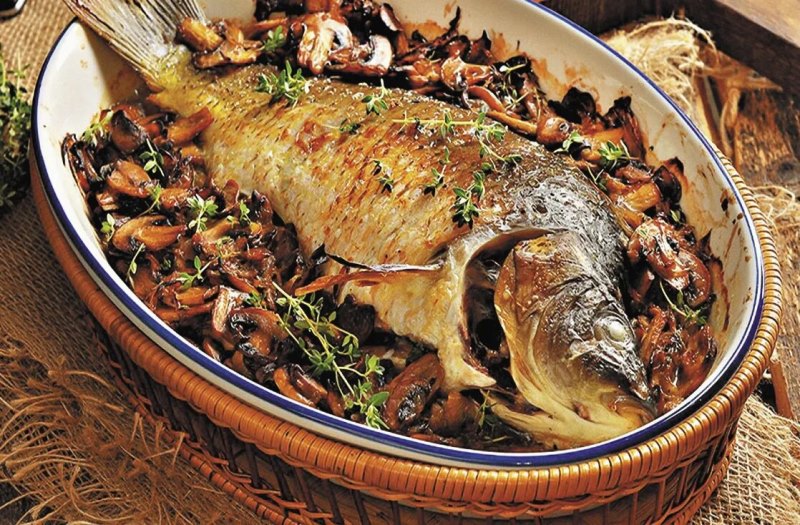
Christmas carp is an integral part of the Christmas Eve table in the Czech Republic. This unique tradition dates back to the Middle Ages, when carp scales symbolized wealth. Nowadays, people not only eat carp, but also carry their scales in their wallets, considering them a good luck charm. Also at Christmas, Czech families place carp under each plate during the gala dinner.
The tradition of cooking carp for Christmas took root in the 19th century. Typically, carp is served in the form of fried pieces, whole baked or stuffed. Like Lithuania, there is no place for meat on the Czech Christmas table. Interestingly, many Czechs now buy two carp: one for cooking and the other to release in the water, which certainly contributes to the well-being of the fish.
Fried Bananas (Cuba)
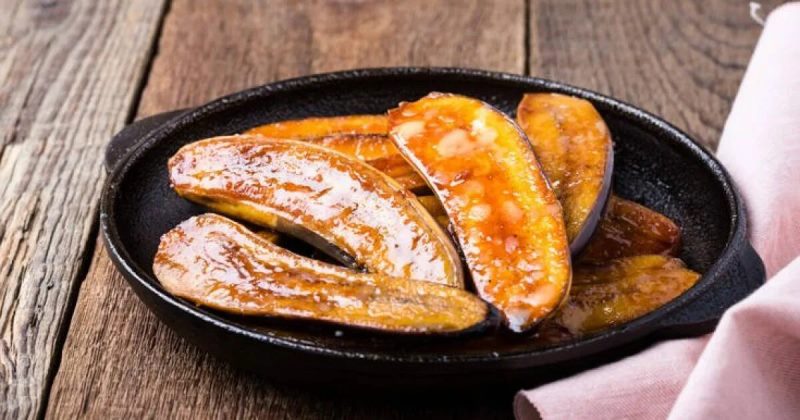
In Cuba, as in many Latin American countries, Christmas Eve is a special occasion for family reunion around the festive table. This evening, rice, black beans, rice pudding and rum cake are usually harmoniously placed on the dinner table. However, the real highlight of the table is the fried plantains, which perfectly complement the aromatic grilled meat and fragrant rice. They are cooked in melted lard and traditionally served with a small amount of sea salt, and sometimes, to add a touch of piquancy, seasoned with pepper.
Fleskesteg (Denmark)
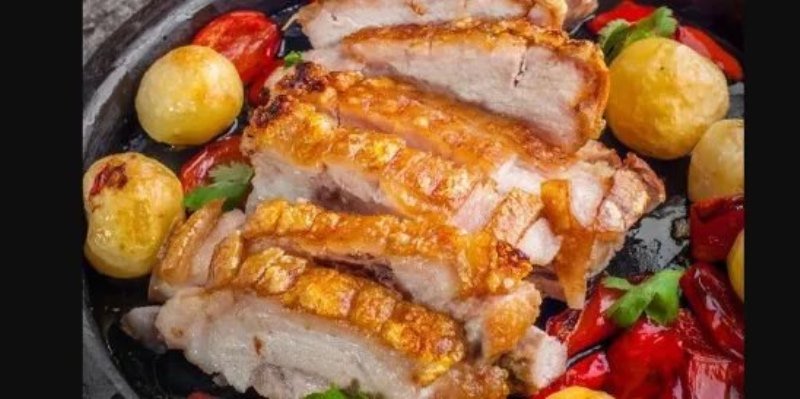
Fläskesteg is a classic Danish Christmas dish, full of flavor and tradition. This dish features savory, crispy-skinned pork typically served with red cabbage cooked in duck fat, sugar, apples, onions, vinegar, red wine and aromatic spices. The Christmas meal in Denmark ends with a magical rice porridge served at the stroke of midnight. However, the almond riddle attracts special attention: if one of the guests manages to find an almond nut in his portion of porridge, then, according to Danish beliefs, this person will get married in the coming year. The rest of the guests are also not left unattended by fate, for it is believed that almonds bring good luck and joy. Anyone who discovers almonds in his porridge must keep it a secret until the entire portion of porridge is eaten, so that the happiness will come true completely.
Fried chicken (Japan)
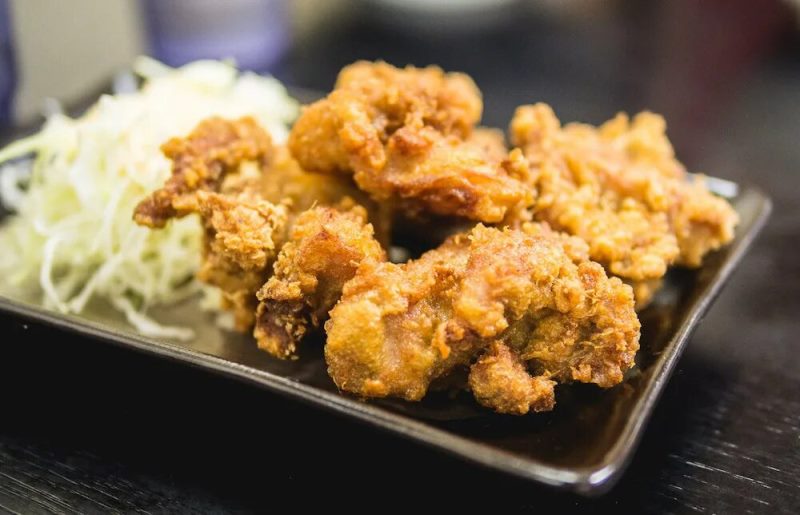
Japan is a country rich in unique traditions, and it's no surprise that it has one of the most unusual Christmas celebrations in the world. Since the 1970s, Japanese people have flocked to Kentucky Fried Chicken (KFC), a fast-food restaurant known for its delicious fried chicken and secret recipe. In addition to fried chicken, the Japanese serve osechi-ryori on the Christmas table - an assortment of seafood, including fish, shrimp, oysters, caviar, lobster and seaweed. The composition of this dish may vary slightly, but it is important that each component of osechi-ryori carries its own symbolic meaning. The dishes are served in special lacquered boxes, giving this holiday a special charm.
Panettone (Italy)
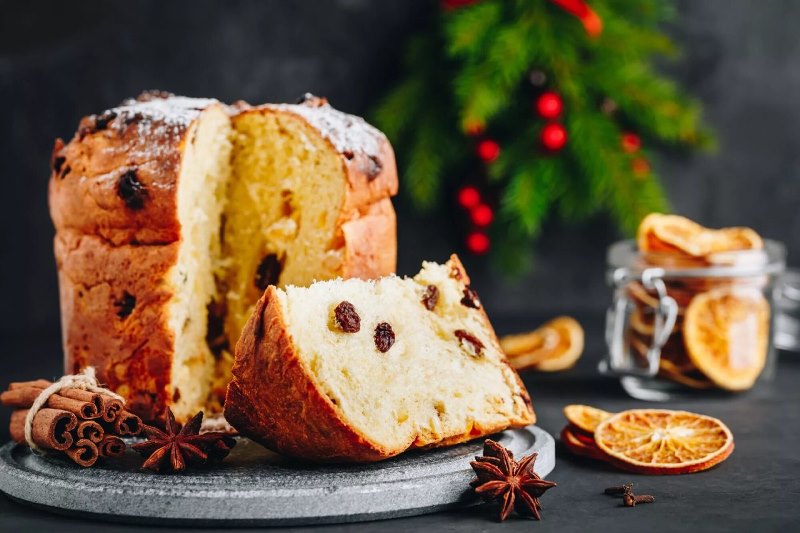
In different parts of Italy, the Christmas meal can vary significantly. In some regions, up to seven different fish dishes are prepared, in others they prefer traditional dried cod and squid, and in others, roasted lamb or poultry is a must on the festive table. However, there is one dish that unites the entire country this holiday season - a holiday cake called panettone. His recipe is based on a sweet yeast dough and includes candied fruits, chocolate chips, raisins and nuts. Interestingly, every housewife has her own recipe for this magnificent dessert, which makes Christmas in Italy special.
Melomakarona (Greece)
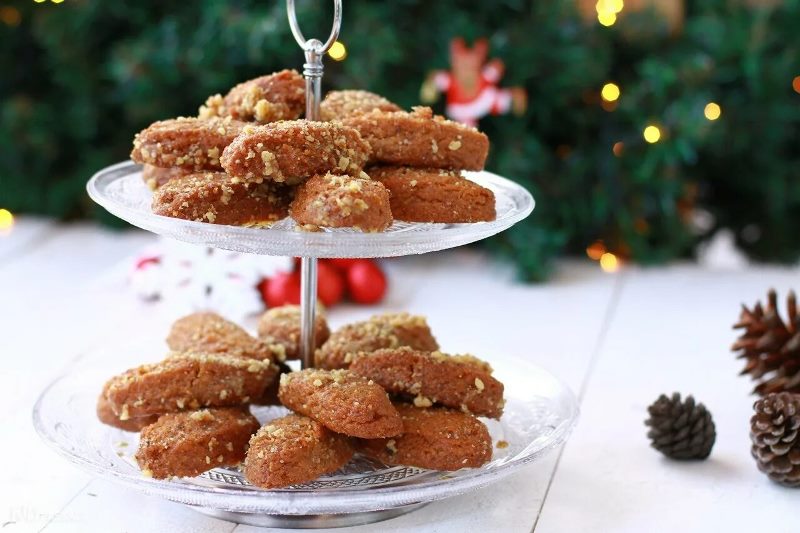
Melomakarona are oval-shaped sweet cookies that are an integral part of the Christmas meal in Greece. After baking, melomacarona is generously soaked in sugar and honey syrup with the addition of citrus fruits, which gives it a unique juiciness. The cookies are topped with finely chopped walnuts, giving them their distinctive flavor and texture. During the winter holidays, this magnificent dessert can be found in almost every store or bakery, and it becomes an indispensable attribute of the Greek Christmas tradition.
Parillada (Argentina)
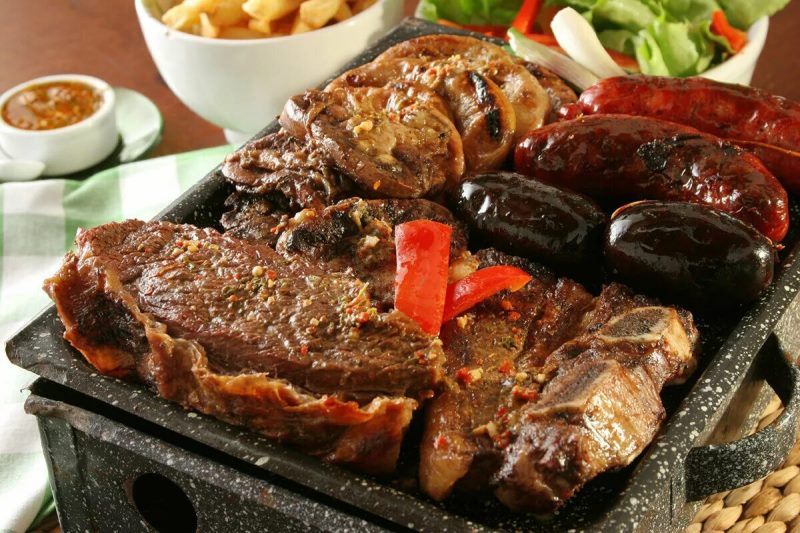
Parillada is not only the national dish of Argentina, but also an integral part of the Christmas table. The basis of this culinary tradition is grilled beef. This process requires experienced professionals known as asador or parillero. They have unique skills in cutting and frying different parts of meat. Sometimes parillada contains intestines, blood sausages and thymus. In Argentina, there are specialized restaurants called "parilladerias" that specialize in preparing this dish.
Christmas log (France)
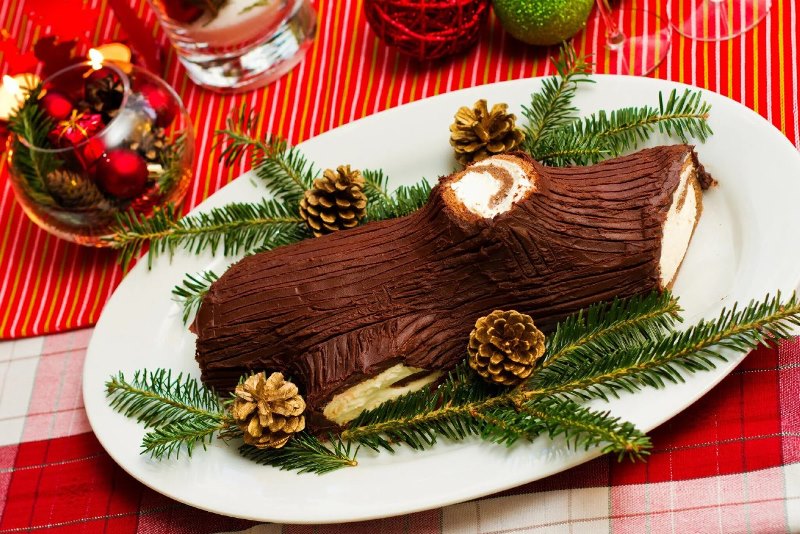
The French cannot do without a special Christmas dessert, which becomes the main decoration and tasty accent of the holiday table. This unique dessert is a log-shaped roll made from delicate sponge dough filled with aromatic chocolate cream.
The surface of the cake, covered with a layer of cream, imitates the texture of tree bark, and decorations can vary depending on the creative imagination of the pastry chef. The sweet log is enlivened by berries, light powdered sugar, funny snowflakes, marzipan cones, and even marzipan mushrooms - all this is the embodiment of a holiday fairy tale.
This delicious dessert is inspired by the ancient tradition of the Middle Ages, when the Yule log was burned as a symbol of the holiday. Today, it continues to not only brighten up the table, but also bring joy to everyone who enjoys its unique taste.
Roast Turkey (USA)
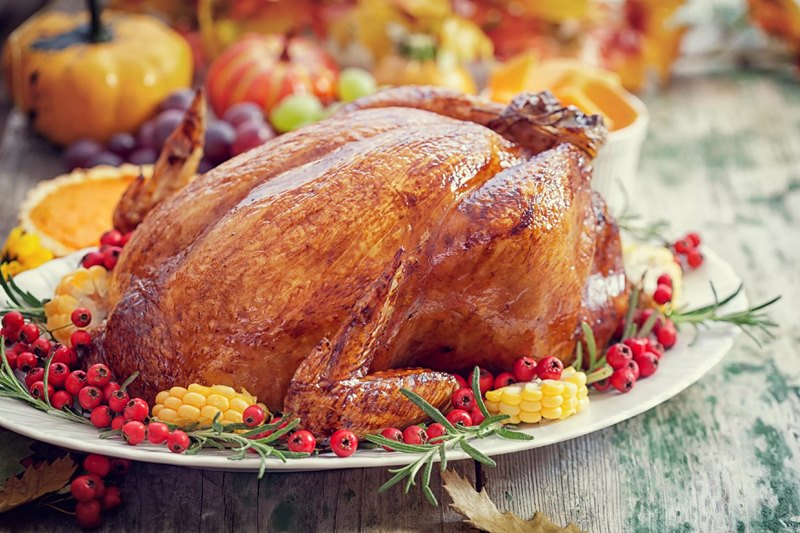
The American Christmas table is extremely similar to the traditional holiday dinner served on Thanksgiving Day. The focus is always on the juicy roast turkey. This chicken goes through a lengthy marinade process, sometimes up to a day, before going into the oven, where it cooks for three to seven hours. Turkey is often stuffed with bread crumbs, potatoes, vegetables, and aromatic herbs and mushrooms, giving it a rich flavor.
Mashed potatoes are a great addition to roast turkey. But no less important components of the holiday meal are a variety of sauces, such as cranberry and gravy (gravy), which give the dish a special aroma and unique taste.
Turron (Spain)
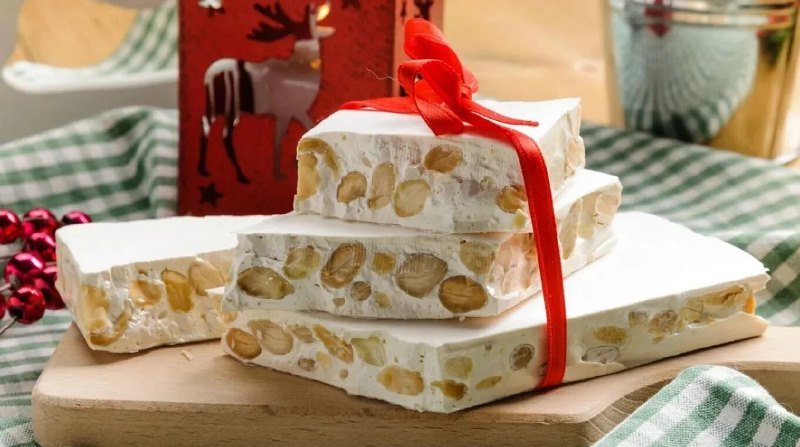
Turron is a dish that is considered an integral part of the Spanish Christmas. His recipe includes honey, almonds, egg whites and sugar, making it close to nougat. Depending on the composition and texture, turron can be different. The hard version is made from a caramelized mass with an abundance of nuts and is called “duro” or “Alicantine”. The soft turron, with the addition of butter, is known as "blando" or "Gijon". Today, instead of traditional almonds, turron can be found with hazelnuts, peanuts and a variety of additives such as fruit, marzipan, chocolate, coconut and much more.
Smoked salmon (Ireland)
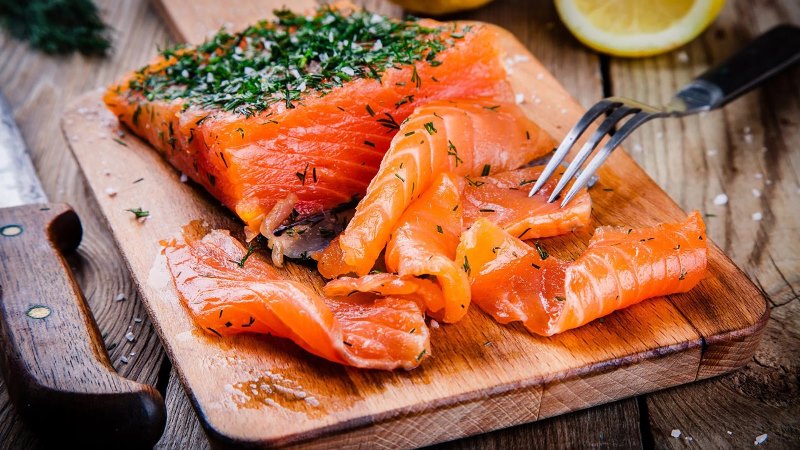
On the Irish Christmas table, one of the most anticipated dishes is undoubtedly smoked salmon, accompanied by shrimp cocktail and fresh green lettuce. Salmon can be served in different variations: with sauce, or perhaps in its own juice, or in the company of a variety of vegetables. In Ireland, during the winter holidays, this delicacy is considered a wonderful gift for colleagues, friends and loved ones, which makes it even more special on the Christmas table.
Tamales (Mexico)
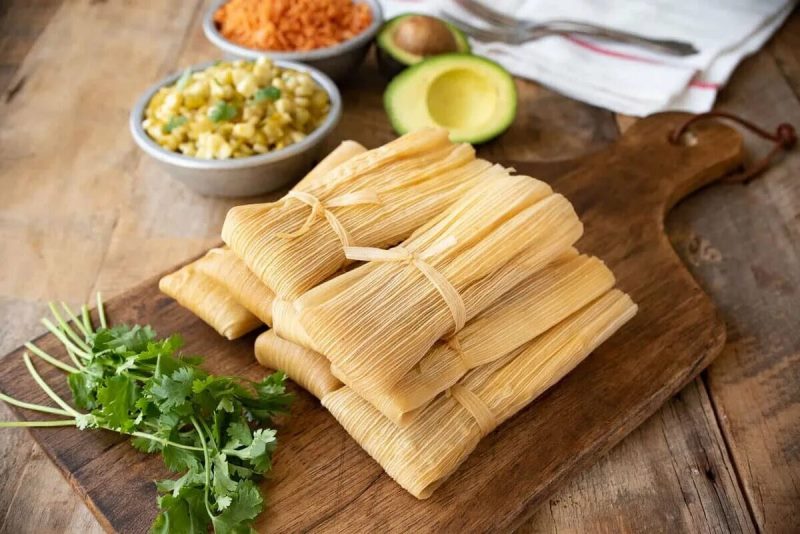
Tamales are one of the most popular dishes in South America, especially popular in Mexico, where they are often prepared for Christmas. The essence of this dish is corn tortillas wrapped in a corn leaf. Various ingredients are also added inside the tamale, including meat, vegetables, cheese and sometimes even fruit, giving the dish a unique taste and texture. Tamales are cooked by steaming, which preserves their moisture and flavor.
Before enjoying the tamale, the corn leaf must be unwrapped, as it only serves as a wrapper that gives shape to the filling. This dish is an integral part of Mexican culture and delights the tastes of many gourmets around the world.
Bacalhau (Portugal)
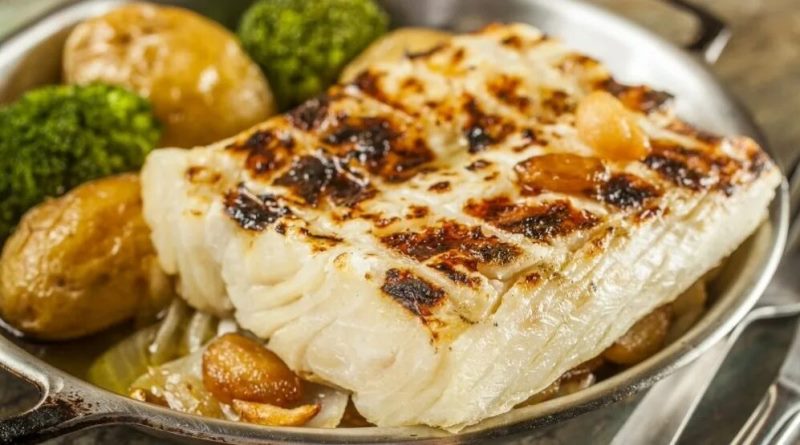
In Portugal, like Ireland and the Czech Republic, fish also takes pride of place on the holiday table, but with a unique approach. Here, bacalau is dried and extremely salted cod. Many dishes are prepared from this special fish by pre-soaking it and changing the water several times. At Christmas, bacalau is traditionally served boiled with potatoes and herbs, generously drizzled with olive oil. This method of preparing cod comes to us from the distant past, and this is how this fish was enjoyed 500 years ago.
Julutortu (Finland)
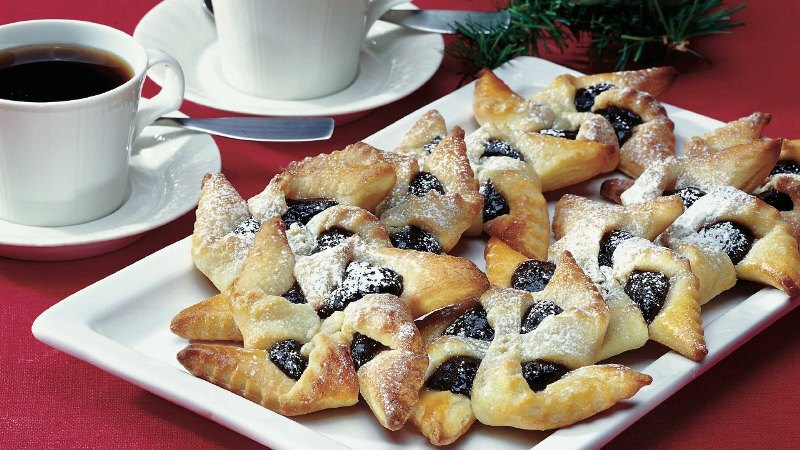
Joulutortu is a classic Finnish puff pastry that is often shaped like a children's toy, reminiscent of a pinwheel or star. This delicious dessert is based on dough, to which ricotta is always added, which gives it a fluffy and delicate texture. Youlutortu is filled with prune jam, which gives it a rich fruity taste. Sometimes masters add apple jam with a hint of cinnamon for additional harmony in taste. After baking, the dessert is generously sprinkled with powdered sugar, giving it a unique sweet note.
Lechon (Philippines)
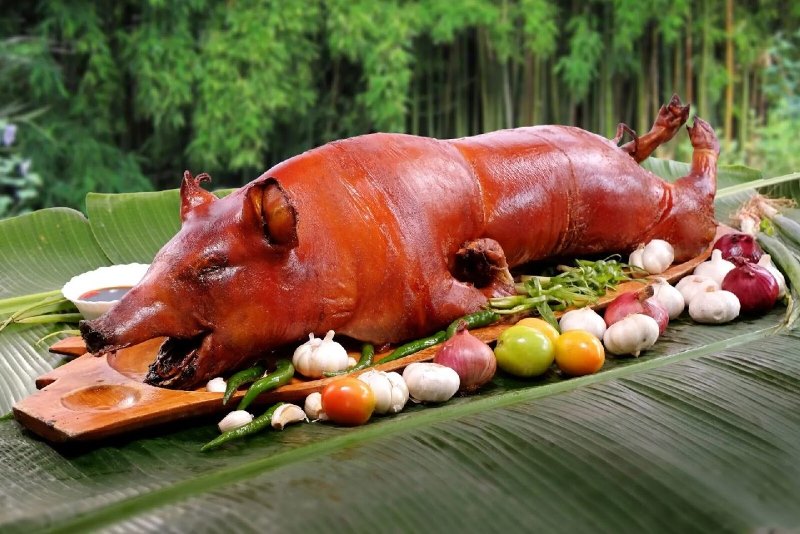
It's hard to imagine a Filipino Christmas without the celebratory dish known as lechon. This is a whole suckling pig that is cooked by rotating on a spit over hot coals. The long cooking process gives the meat a crispy golden crust on the outside while maintaining tenderness on the inside. Spices such as green onions, bay leaves, black pepper, garlic, salt, lemongrass and tamarind are used to give a special taste.
Doro wat (Ethiopia)
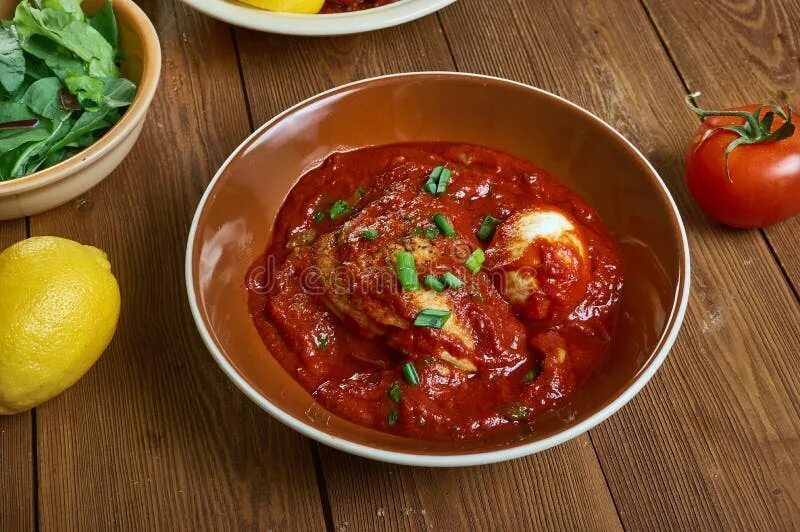
Doro wat is a traditional dish that is a must-have for Christmas in Ethiopia. In this African country, Orthodox Christians celebrate the Nativity of Jesus, completing a 43-day fast. It is this post that ends with a real festive event - the reception of Doro Vata. This is a flavorful stew made from chicken meat and hard-boiled eggs. One of the important features of this dish is its piquancy, provided by a mixture of spices, including berbere - a mix that contains fenugreek, cardamom and coriander. In addition, for greater aroma and deliciousness, a generous amount of ghee is added to the meat. Traditionally, this dish is served with injera, a fermented flatbread, which makes it even more delicious and special.


