
The most interesting places in Egypt for travelers. What interesting curiosities are worth visiting and what to see?
Pyramids of Giza
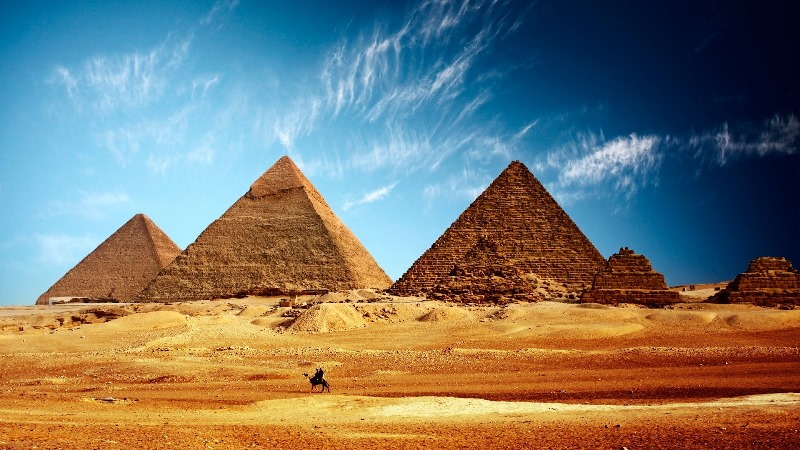
The Pyramids of Giza are the only one of the 7 wonders of the world that have survived to this day. This was facilitated by their geographical position, the main thing is that for many years the pyramids were buried under the sand, and in the 19th century they only began to excavate and study. The pyramids really excite the minds of scientists and tourists. It is still hard to imagine that 2.5 ton blocks were lifted without modern technology. The height of the tallest pyramid - the Pyramid of Cheops - is 137 m, which can be compared with a 50-story building, the construction of which took about 20 years.
The pyramids played the role of the tomb of the pharaoh and are a series of long narrow corridors and small rooms where the remains of the pharaohs, their environment and the wealth that he "carried" are preserved in the world to come. Now very little remains of the original shape of the pyramids, but it's worth it
Statue of the Sphinx

Another attraction, no less interesting - very close to the pyramids - is the statue of the Sphinx. The Sphinx is a creature with a woman's head, the legs and bodies of a lion, the wings of an eagle, and a bull's tail. This statue raises more questions than answers because we don't know when or by whom it was built, what role it played, and when it lost its nose. Therefore, tourists and scientists come here in the hope that at least some of the secrets of the Sphinx will be revealed.
City of the Dead in Luxor
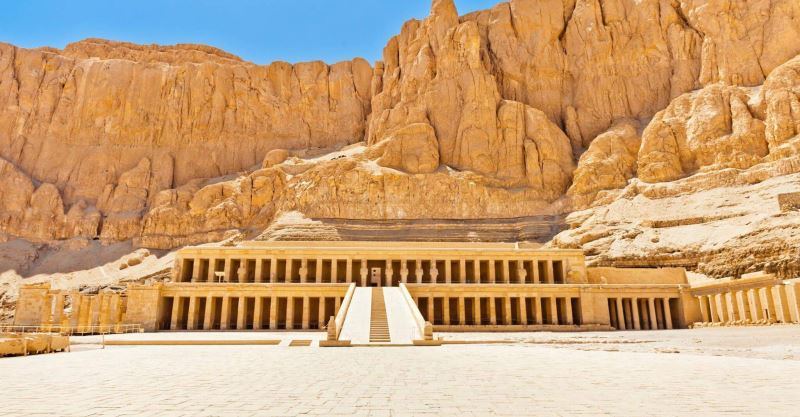
The city of Luxor is divided into two parts: the valley of the living and the valley of the dead. The Valley of the Dead is home to the world's largest necropolis, the Temple of Hatshepsut, the funerary temple of Medinet Abu and the Colossi of Memnon. The ancient necropolis appeared here during the reign of Thutmose I. He hoped that if he built his tomb away from the big cities, they would not find it and plunder it. All the leaders who followed suit built graves here for 500 years. In total, there are about 40 tombs in the Valley of the Kings. Now only a few of them are open to visitors, but even this will be enough to get acquainted with the beliefs and lifestyle of the ancient Egyptians. Here you can see ancient hieroglyphs and various millennial statues. The Temple of Hatshepsut in the Valley of the Dead occupies a special place. This temple is carved from the rock and has an unusual structure that distinguishes it from all other buildings of that time. Hatshepsut was a wise and good leader, which is why the Egyptians still worship her and some think that wishes are granted in the temple. Therefore, they come here to ask for mercy and help.
Egyptian Museum in Cairo
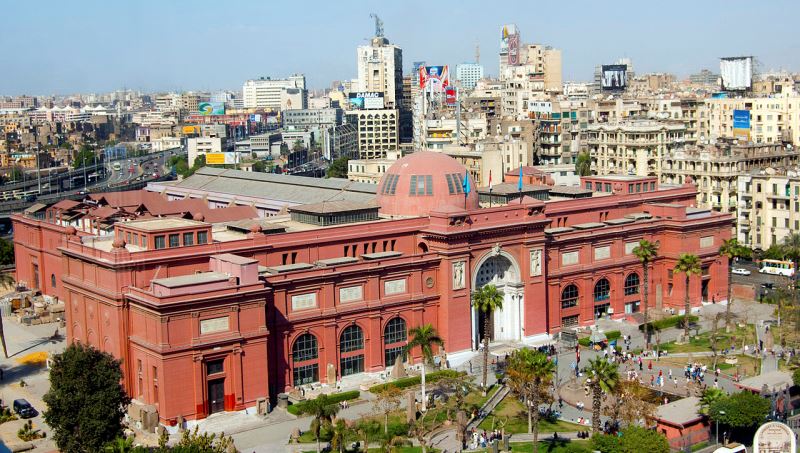
The largest collection of ancient Egyptian culture and history is kept in the Cairo Museum. Everyone should visit this museum as it represents the foundation of our modern life and our knowledge of the world. The Cairo Museum houses 11 pharaoh mummies, 3 sarcophagi (one of which weighs 110 kg of gold) and many of the most exclusive household items.
Mount Moses
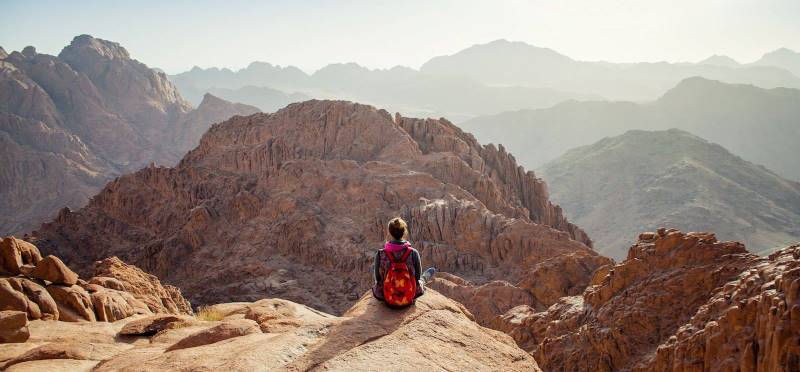
If you are thinking about a vacation in the Sinai Peninsula, you will also have something to do. For example, one of the largest sanctuaries is Mount Moses. According to legend, it was here that Moses got acquainted with the 10 holy commandments from God. That is why pilgrims come here to personally touch the holiness of this unique place. They say that if you meet the rays of dawn at the very top of the mountain, all your sins will be forgiven. The path, of course, is not the easiest, take light but warm clothes with you. But all these barriers on the way will be more than rewarded when you see the dawn.
Karnak Temple
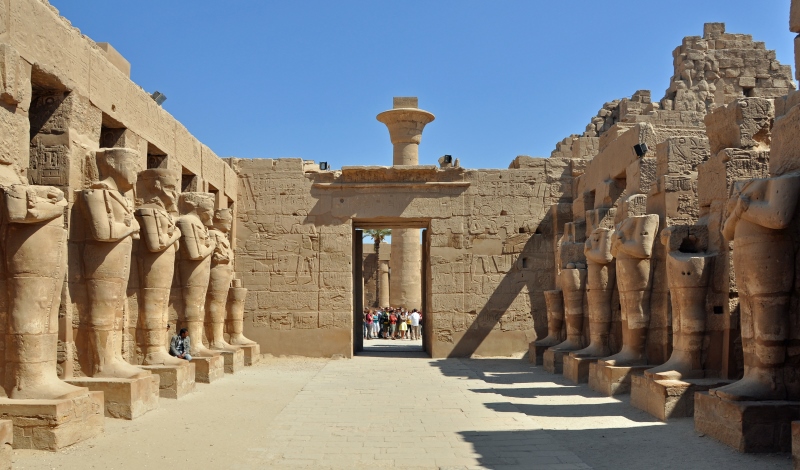
The Temple of Karnak is the largest temple complex in ancient Egypt. It is amazing that it was built over 13 centuries. In addition, each leadership rule and supplemented it as you like. As a result, it turned out that the temple is formed from 33 rooms and halls dedicated to the gods Amun, his beloved wife Mut and their own son Khonus. The place looks like a labyrinth, and in the columns with Inscriptions you can see many ancient drawings. For example, there is a room dedicated to outlandish plants and local animals. We recommend that you come here with an organized tour, the guides will tell you in detail and show you all the secrets of these unusual labyrinths and tell you the secret knowledge displayed on ancient graffiti.
Temple of Abydos
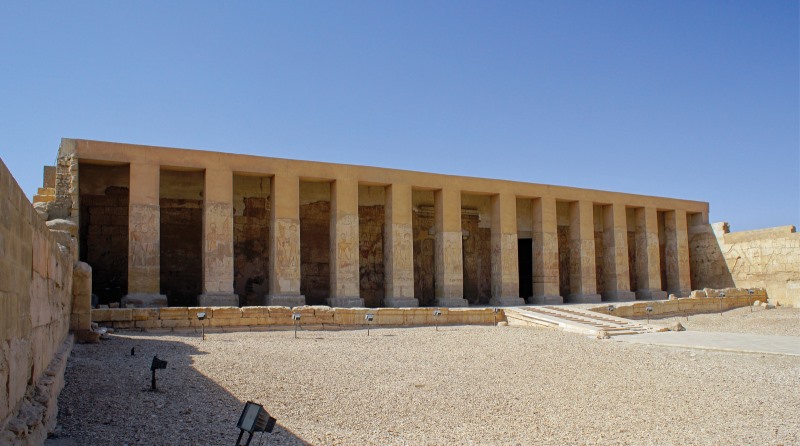
The temple in the city of Abydoss is a little deprived of the general attention of travelers due to its not very convenient location. However, there is something to look at. Pharaoh Seti I and his son Ramses II built the temple as a gift to the god of the underworld Osiris and 6 other ancient Egyptian deities. You can also see here the famous "List of Abydos", a gallery of absolutely all the leaders who were at the origins of the first set. It was this hall that in some way helped scientists put together the exact sequence of all the leaders of old Egypt and made clear many mysteries about this ancient civilization.
Abu Simbel
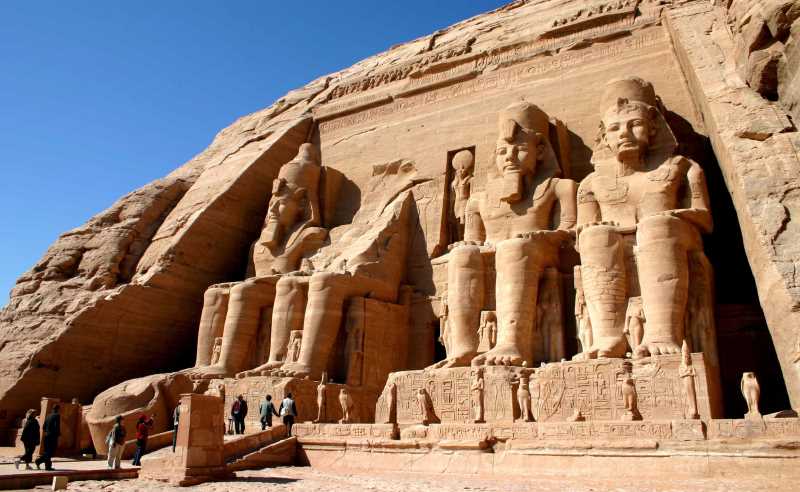
Abu Simbel is considered one of the most magnificent temples in Egypt. It includes two temples, a large one and a small one. The large building was dedicated to Ramses II, the second smaller one - to his bride Nefertari, who acts in the face of the goddess of antiquity Hathor. The most significant feature of this temple is that the erection and construction was with amazing precision. Twice a year, on March 21 (the day of the birth of the pharaoh) and September 21 (the day of his ascension to the throne), at 5 hours 58 minutes, the rays of light illuminate the face of the sculpture of Ramses II, located in the center of the temple. To do this, you must have extremely accurate knowledge, indicating that the Egyptians of those centuries were an extremely intelligent civilization.
Temple in honor of the goddess of fertility Hathor in Dendera
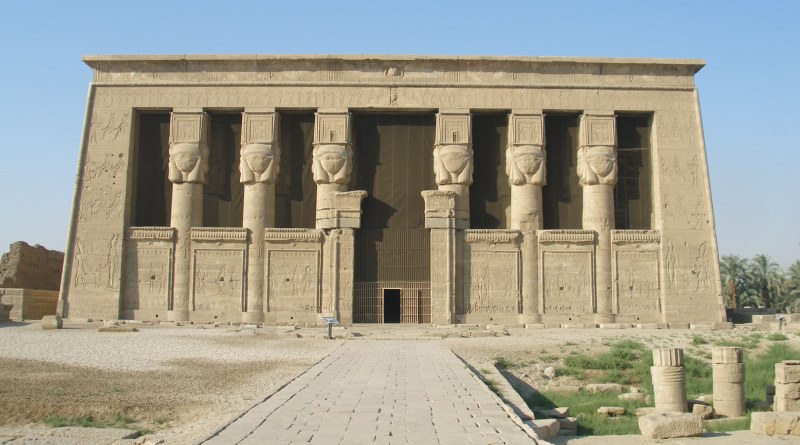
If you are going on an excursion to Luxor, try also the temple of Dendera. It was made in the first century BC. Don't be amazed by the Greco-Roman particles it contains. Egyptian signs and the image of Roman emperors coexist perfectly on the walls and arches. For everything that is here and deserves special attention, it is believed that the first calendar of zodiac signs is described here.
St. Catherine's Monastery
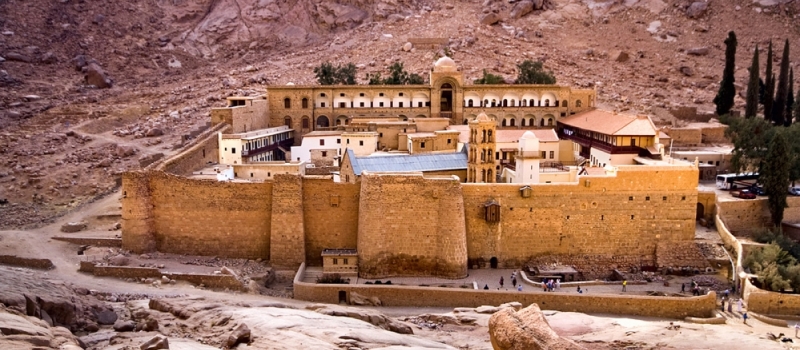
Another unique and interesting place on the map is the Monastery of St. Catherine. According to legend, it was in this place that the Lord God descended to him in the form of a burning bush. It was here that the Church of St. Catherine was erected. By the way, the bush itself really exists to this day, and attempts to transplant it elsewhere have not been successful. The monastery has 12 chapels, a garden, a kitchen and a huge library, which is the second largest after the Vatican. Therefore, visiting this monastery is a very interesting event.


