
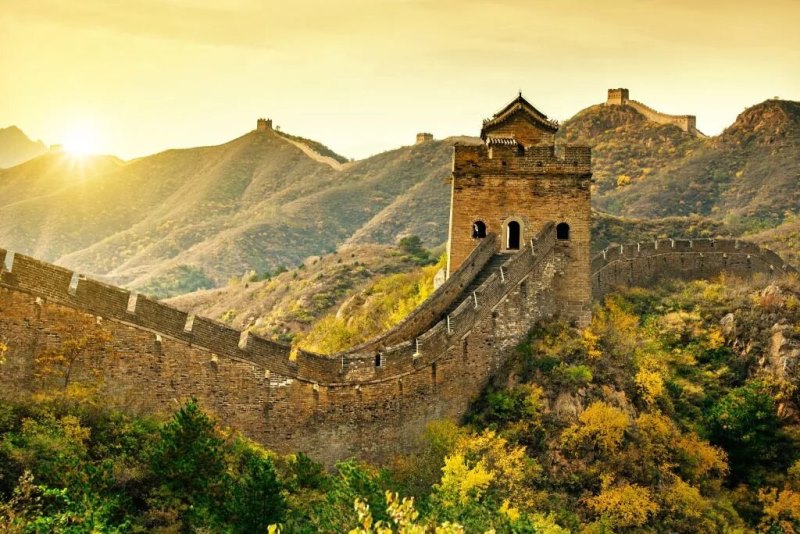
One of the most majestic and impressive engineering achievements in human history is the Great Wall of China. This grandiose structure was built over many years and was completed only towards the end of the Ming Dynasty. Stretching from east to west in the northern regions of China, it overcomes deserts, steppes and steep mountains.
What is the Great Wall of China
The Great Wall of China is famous for its monumentality, enormous size and duration of construction. This impressive structure is included in the Seven Wonders of the World and attracts millions of tourists every year.
The total length of the Great Wall of China is more than 21,000 kilometers. Just imagine: such a huge length! The wall contained fortresses, mountain passes, signal towers and posts, both inside and outside. Signal towers were used to transmit military signals and had a two- or three-story structure where soldiers could live and also store ammunition and weapons. General Qi Jiguang is considered the inventor of these unique structures.
The significance of the Great Wall of China in history and culture
The history of the Great Wall of China is closely intertwined with the development of feudal society in China. The construction of this majestic structure began in the 3rd century BC. BC, and it survived both the heyday and decline of the Chinese feudal era. Currently, the ruins of the Great Wall of China can be found in 16 provinces, autonomous regions and cities, covering various parts of the country.
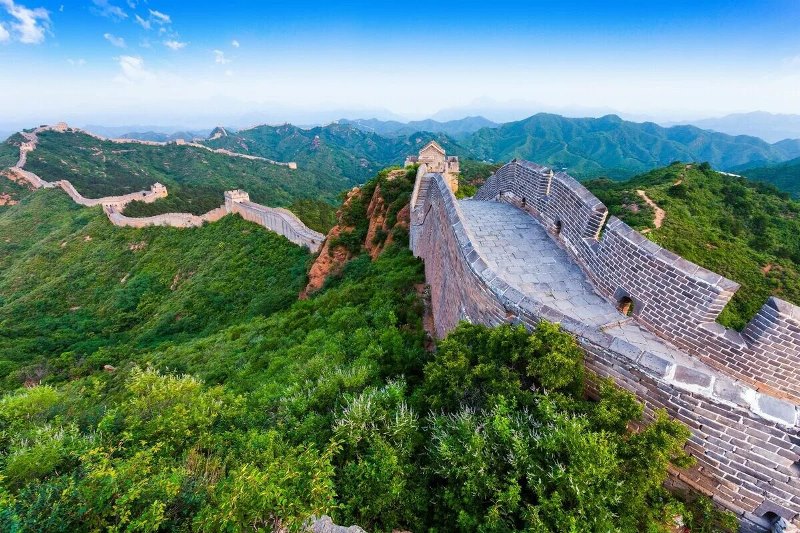
The Great Wall of China is not just an iconic architectural monument, but also a place where traces of wars, economic events, political maneuvers and cultural expressions are recorded. Here, on its lands, many great generals and brave warriors fought for the well-being of their country, and their names forever remained in the memory of the Chinese people.
Symbol of folk labor, myths and legends
One of the mythical legends associated with the Great Wall of China is told from the distant Qing era. In this legend, the main character was a young woman whose husband was sent to build this amazing structure in Beijing. Many years passed and her husband never returned. In order to give him warm clothes for the coming winter, the girl decided to go on a long and dangerous path to the Great Wall. However, her terrible news awaited her behind her gates - her husband died from incredibly hard work, and his departed spiritual treasure was buried in this huge wall. The poor widow's bitter tears flowed from her eyes, and at that moment an unexpected collapse of the wall occurred. It was at this moment of the collapse of the wall that the share became evidence of deep respect for the work and sacrifice of ordinary people.
Today, the Great Wall of China is known throughout the world as a symbol of the people's labor and magnificent myths and legends. Its value in culture, architecture, history and art allows us to gain a deeper understanding of China and its people. In 1961, it was recognized as a national historical monument and, under state protection, work began on its restoration. In 1987, it was inscribed on the World Heritage List.
Mutianyu section of the Great Wall
Of course, without a doubt, getting through the entire Great Wall of China turns out to be a very difficult task. However, for those wishing to appreciate its grandeur, several sites are available. Among them, Mutianyu Great Wall stands out - the place where most tourists focus their attention. This site impresses with its power and beauty, and it is this site that can be seen in numerous photographs in guidebooks and tourist albums.
When traveling through China and exploring its rich history, it is also important to visit historically significant sites such as the Forbidden City or the Imperial Palace in Beijing, built in the 15th century. This magnificent complex, where the Ming Dynasty emperors lived and ruled for five centuries, is a treasure trove of history and a symbol of China's cultural wealth.


