
The capital of Bavaria is a unique city where every minute is filled with exciting experiences. Here you will find a variety of attractions that are unique to Munich. Even one day spent in this city becomes a valuable gift for yourself. Munich is famous as the birthplace of the world famous Oktoberfest beer festival, as well as its magnificent churches and luxurious palaces.
Munich's galleries and pinakotheks offer exhibitions that rival the largest museums on the planet. Munich's city parks are a true paradise for lovers of nature and outdoor recreation. Let's not forget to note that Munich is also a surfing center, home of the Bayern Munich football team and is famous for its impressive architectural icon in Europe.
Nymphenburg Palace
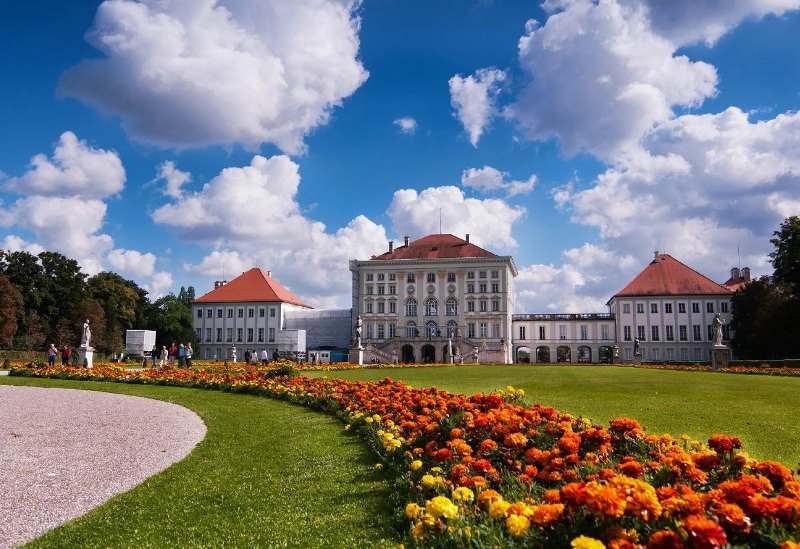
One of the most important and symbolic landmarks of Munich. This palace and park complex was erected in the mid-17th century and served as the seat of Bavarian rulers for centuries. It was within these walls that Ludwig II, better known as the “fairy-tale king”, was born, who became famous for his other work - Neuschwanstein Castle. Nymphenburg's majestic rooms include the Lacquer Cabinet with stunning black and red lacquered Chinese panels, a spacious Rococo hall decorated with frescoes by Zimmermann, and the famous Gallery of Beauties with 36 beautiful portraits of women created by the master Stieler. The magnificent landscape park with artificial lakes, cascades, grottoes, flower beds and beautiful pavilions that are open to visitors also deserves special admiration.
Marienplatz
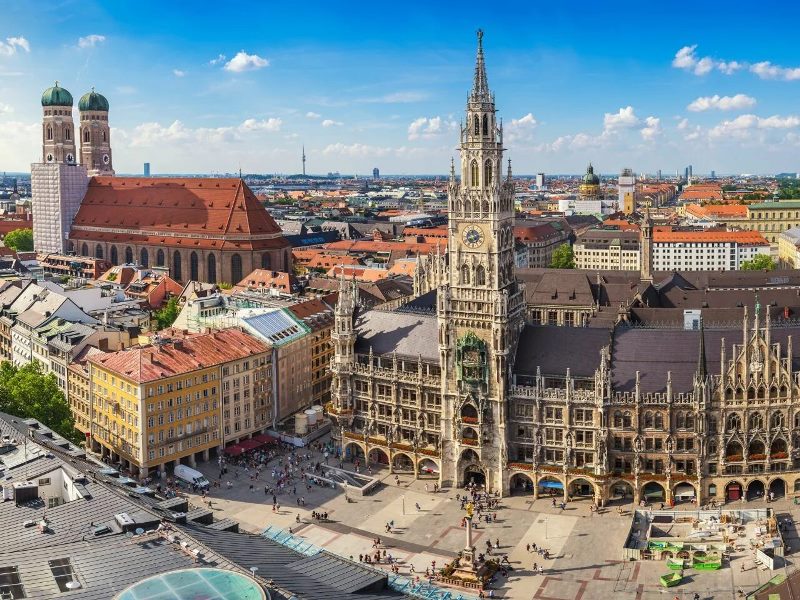
The central square in Munich, which is a pedestrian area and the busiest part of the Bavarian capital. Its roots go back to 1158, when fairs, knightly tournaments and even executions were held here. Nowadays, Marienplatz has become not only a favorite gathering place for citizens, but also a center for festivals, holidays, and an important place for football fans. The square is decorated with a majestic 11-meter column with a gilded statue of the Virgin Mary, after which it was named.
Marienplatz is also famous for its historical symbols. The 15th-century Old Town Hall, now home to the Toy Museum, and the sculpture of Juliet are eye-catching. Next to these architectural gems is the New Town Hall, built in 1908, where the city council now meets. At the top of the 85-meter tower of the New Town Hall there is one of the best observation platforms in the city, and the façade of the building is decorated with the Glockenspiel clock, which plays a 15-minute theatrical performance every day.
Carriage and Sleigh Museum
The unique Carriage and Sleigh Museum is located on the territory of the former royal stables in Nymphenburg. The exhibition of this museum covers the era of the 15th-19th centuries and is a collection of elegant horse-drawn carriages that were once used by the royal Wittelsbach dynasty. Here, dozens of carriages and sleighs await guests, literally strewn with gold, elaborate carvings, majestic sculptures and coats of arms of this noble house.
One of the real treasures of the collection is the carriage in which Karl Albrecht drove through the streets of Munich after becoming Holy Roman Emperor in 1742. These royal carriages not only amaze with their luxury, but also with their impressive size - the diameter of their wheels sometimes reaches the height of a person. In addition to these magnificent carriages, the museum displays sleighs, pleasure carriages, harnesses, horse jewelry and many other unique artifacts from the past. This is a place where history and luxury intertwine.
Munich Residence
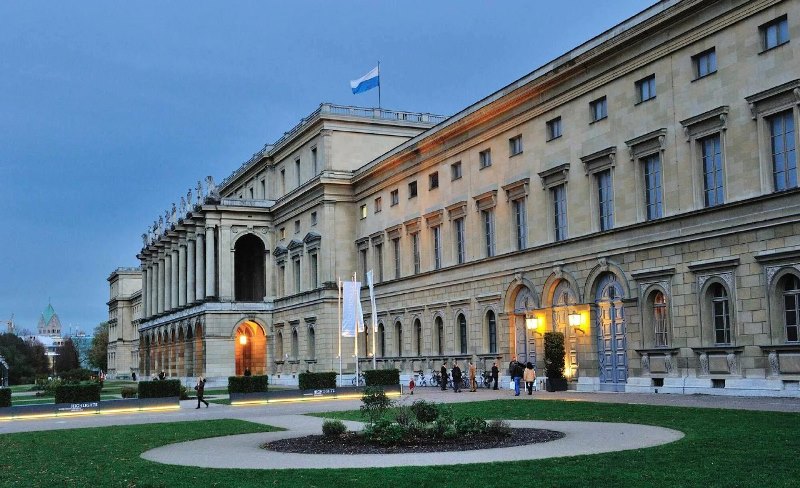
For six centuries, the Munich Residence was the cornerstone of the Wittelsbach dynasty and served as the ancestral home of the rulers of Bavaria. This stunning architectural complex, spanning the Middle Ages to the 19th century, features ten courtyards and various buildings and pavilions.
This historic complex is considered one of the most important art museums in Europe and one of the main attractions of Bavaria. Here you can find yourself in the real Royal Apartments and the Residence Museum with more than 130 rooms. Of these, the Antiquarium, which is home to a rich collection of busts from ancient Greece and Rome, the Palace Chapel, the Imperial Rooms, the Porcelain Room and many others deserve special attention.
The Residence Treasury is a veritable treasure trove containing the most valuable collection of jewellery, royal decorations and swords encrusted with precious stones, as well as exquisite goblets and tableware.
German Museum
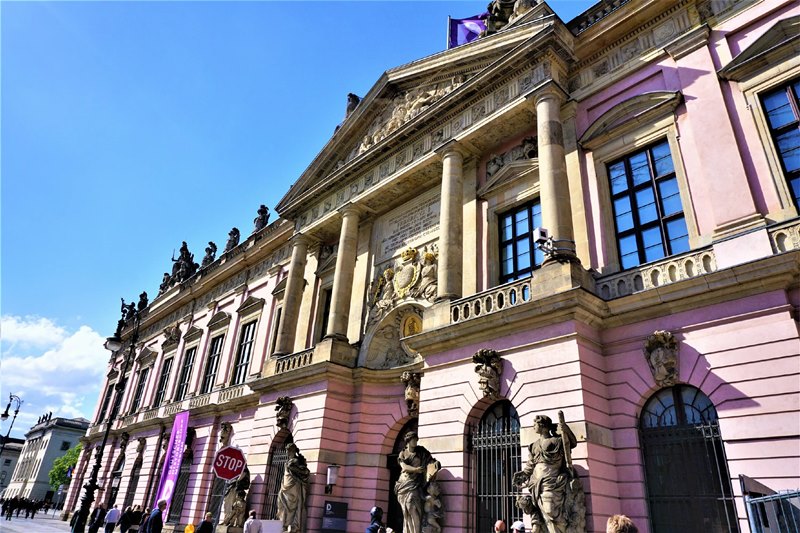
It is a global giant dedicated to advances in the natural sciences and technology. Its treasury contains about 28 thousand exhibits from more than 50 different scientific fields. Here you can admire an impressive collection of vehicles, including a replica of the Red Baron biplane from the First World War, 19th century Venetian gondolas, as well as Karl Benz's first car, and much more.
What makes this museum especially interesting is its interactive nature. Here visitors can interact with exhibits and immerse themselves in the wonderful world of science and technology. The museum is suitable for visiting with children; it is especially recommended to visit the planetarium, where there are two observatories and an observation deck located on top of the main building.
Moreover, in addition to permanent exhibitions, the museum regularly hosts temporary exhibitions, lectures and public events, making it a true center of scientific and cultural exchange.
Olympic Park
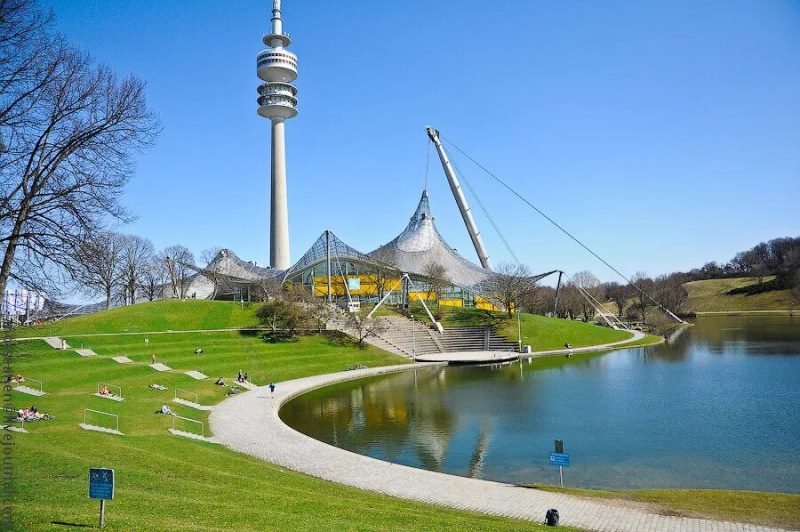
When planning your route around Munich, don’t miss a visit to the Olympic Park, built in 1972 in honor of the Summer Olympic Games. Today, this place has become the epicenter of the city's largest events, including festivals such as Rock im Park, Rock over Germany, Rockavaria, and the summer Tollwood. The Olympic Park extends over an area of 85 hectares and offers a variety of entertainment, including a stadium, ice skating rink, swimming pool, tennis court, aquarium and many other amenities.
The architectural crown of the park is the Olympic Tower, an impressive 290 meter high television tower. At its top there are two observation platforms, one indoor and the other open, located at an altitude of 182 and 189 meters, respectively. By taking the high-speed elevator up in just 30 seconds, visitors can enjoy unique views of the city. In addition, inside the tower there is a restaurant "181", which rotates on its axis, offering visitors a complete overview of Munich in 51 minutes.
BMW Museum
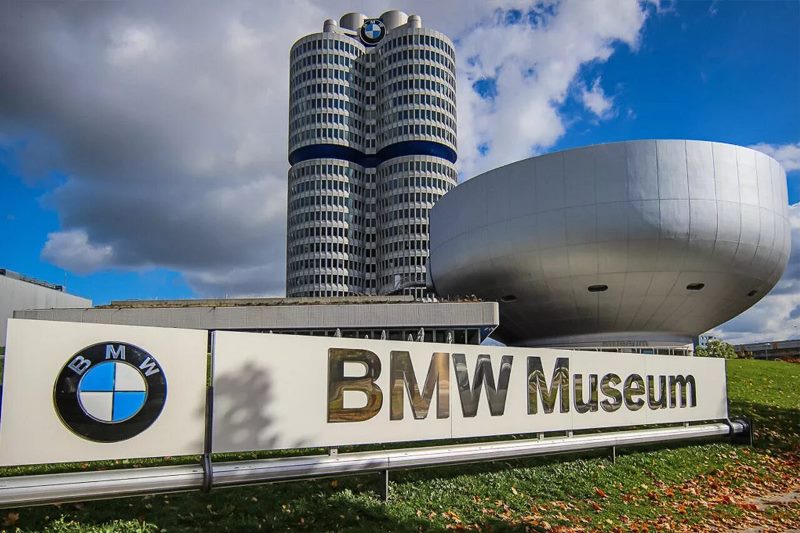
This place in Munich is of particular interest to BMW fans and car enthusiasts. The museum is located in a 22-story building, the shape of which resembles a four-cylinder engine. Inside the museum you will find a unique exhibition that includes cars and motorcycles, engines and even airplane propellers, representing the impressive history of the brand over a period of more than 90 years - from its founding to modern models. The BMW Museum attracts about 250 thousand visitors every year, making it the third most popular in Munich."
Zoo Hellabrunn
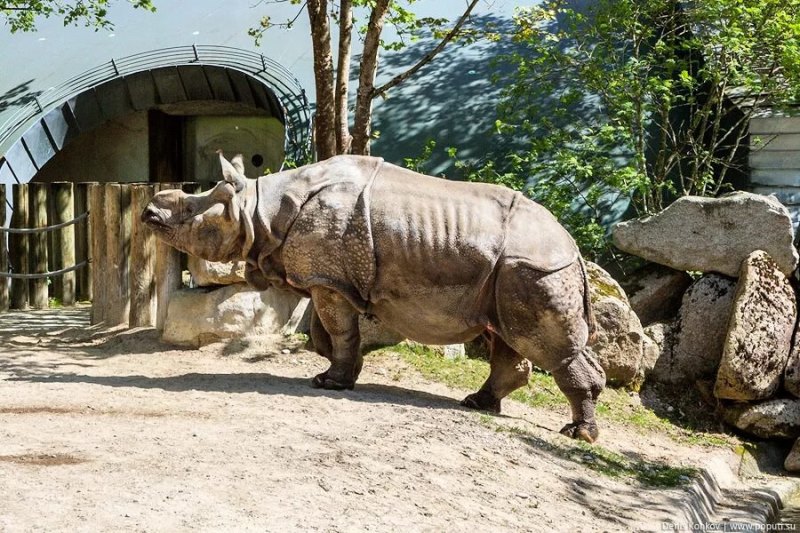
Munich Zoo is one of the largest in Europe, whose history began in 1911. It holds a special place because since 1928 it has become a geo-zoo, divided into thematic “continents,” providing the animals with conditions as close as possible to their natural habitat. The zoo is today home to more than 19,000 animals from 757 species, living in open enclosures separated by moats to ensure comfort and safety. In Hellabrunn, visitors can meet elephants, giraffes, monkeys, penguins, lions, tigers, polar bears, pelicans and flamingos. The cave with bats is especially popular among zoo guests. For the convenience of visitors, the park has picnic areas, walking trails, children's playgrounds and cafes.
Frauenkirche
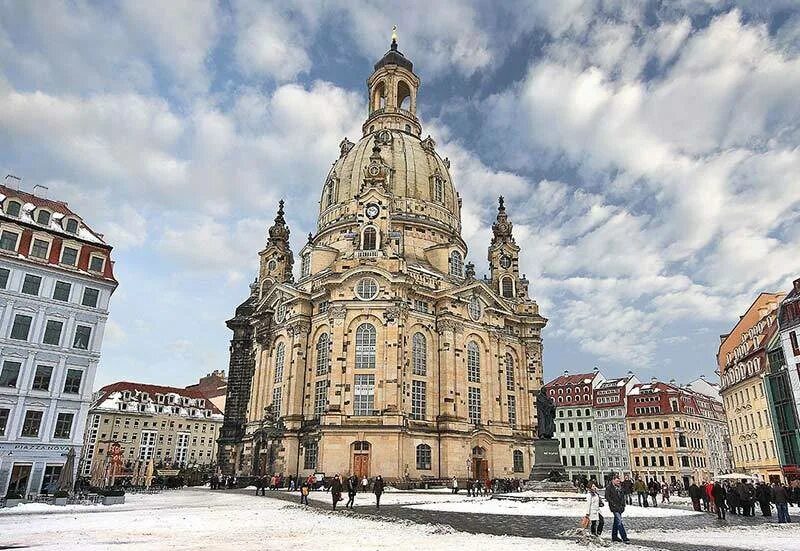
The Frauenkirche Cathedral, the tallest building in Munich, rises 99 meters. This majestic temple, consisting of two bell towers and a long nave, is surrounded by many legends. One of them tells how the architect, in order to ensure the smooth construction of the church, entered into an agreement with the devil, who promised not to interfere with the work, but at the same time demanded that the building be built without windows. Indeed, from certain angles, the window openings are hidden by columns and remain invisible. The interior decoration of the Frauenkirche Cathedral is designed in an ascetic style, with snow-white columns and colored stained glass windows decorating the windows. Members of the Bavarian Wittelsbach dynasty, who ruled the region, are buried in the crypt of this sacred building.
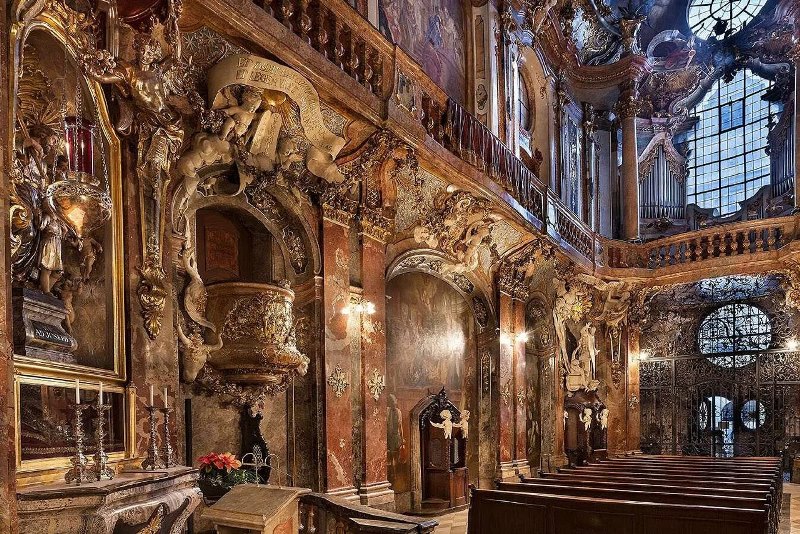
The Church of St. John Nepomuk, built by the Azam brothers in the mid-18th century as a private chapel, later became a place of repentance for young people after city protests. The Asamkirche is one of the gems of Munich, and despite its modest size, it is recognized as one of the best attractions to visit in this city.
The church building is closely adjacent to neighboring houses and, perhaps because of this, it is easy to miss. The façade of the Asamkirche rises in Baroque style, superbly decorated with pilasters, stucco moldings and rosettes. Its base, made of rough stone blocks, gives the feeling that the church was carved into the rock.
However, the real magic lies within. The interior decoration of the chapel amazes with its beauty and grace. Rich gilding and pink marble turn this church into a real fairy-tale palace that will not leave visitors indifferent.
Cuvillier Theater
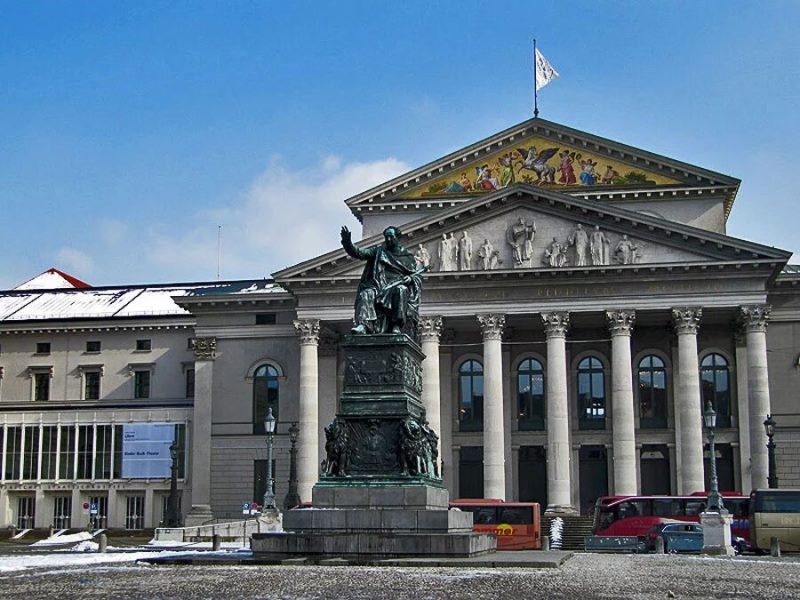
The magnificent Cuvillier Theater, built in the Rococo style, forms an integral part of the Munich Residence complex and was named after its architect. At the beginning of the 18th century, when this theater was first erected, its history was marred by several fires, and in 1944 it was destroyed during a bombing. However, some of its interior parts were saved: in 1943, the luxurious carved panels were carefully removed and evacuated for safe storage. The new building of the Théâtre Cuvillier was restored between 1945 and 1951, using the original decoration salvaged from the demolished theatre. Its stage has hosted many magnificent performances, including the premiere performance of Mozart's opera Idomeneo in 1781.
Viktualienmarkt
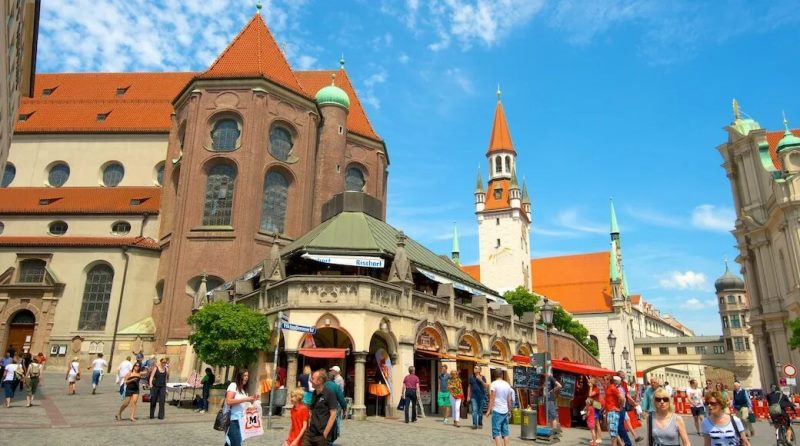
In the center of Munich is the Viktualienmarkt, which is surrounded by a special aroma that creates a unique atmosphere. This central food market is spread over an area of 22,000 square meters in the historical center of the city. Here you can find products from all over the world, including fresh farm produce, meat, fish, fruits, vegetables, dairy products and even freshly baked bread. The atmosphere of Viktualienmarkt attracts both locals and tourists, who come not only to shop, but also to enjoy the company, taste Bavarian fried sausages and pour themselves a glass of draft beer straight from the barrel.
Theatinerkirche
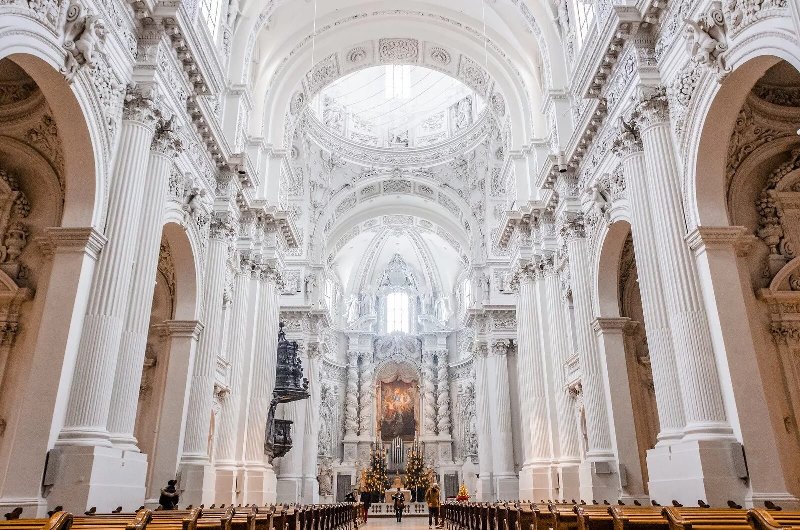
At the end of the 17th century, by order of Henrietta Adelaide of Savoy, the Theatinerkirche was built in honor of the expected heir to the Bavarian throne, Maximilian II Emanuel. This festive temple, combining elements of the Italian late Baroque, is considered one of the most significant attractions of Munich.
The facade of the church, made in shades of sandstone, is recognized as one of the most beautiful in the city. Inside, you will be amazed by the refined atmosphere and rich decoration. The interior decor includes massive columns, elegant stucco and a majestic dome rising 70 meters into the air. The Theatinerkirche is definitely worth a visit to experience the grandeur of Bavarian architecture and art.
Arc de Triomphe

Undoubtedly one of the most recognizable landmarks in Munich, it was originally intended as a front gate symbolizing the glory of the Bavarian army. This monument was erected by order of King Ludwig I of Bavaria and designed by the architect Friedrich von Gärtner, who was inspired by the Arc de Triomphe of Constantine in Rome.
However, the history of the Arc de Triomphe was far from clear-cut. It is important to note that the Bavarians went over to the side of Napoleon’s opponents and fought in the “Battle of the Nations” near Leipzig. Thus, the monument has witnessed upheavals and changes during historical events.
During the Second World War, the Arc de Triomphe was badly damaged and was even on the verge of destruction, as the American troops occupying Munich viewed it as a symbol of Nazism. However, this important architectural monument managed to survive and was subsequently carefully restored. Four lions drawing a chariot at the top of the arch continue to adorn the city of Munich, a reminder of its history and persistence in preserving its cultural heritage.
English Garden
One of the most extensive urban parks in the world. With an area of 4.17 square kilometers, it is larger than Central Park in New York and Hyde Park in London. This park is a true oasis for Munich residents and is famous for its numerous bodies of water and interesting sights.
The Eisbach, a deep stream in the park, is famous worldwide for its standing waves, which attract surfers. Along the picturesque shores of Schwabingerbach you can find green meadows (some of them intended for nudists), and the Seehaus beer garden is located near Lake Kleinhessenlohe. In the park you can find such interesting places as the Japanese tea house, the Greek rotunda Monopter, the Chinese tower with a restaurant and next to it one of the largest beer gardens in Munich. The English Garden remains forever in memory as a unique place for relaxation and entertainment."
Bavarian National Museum
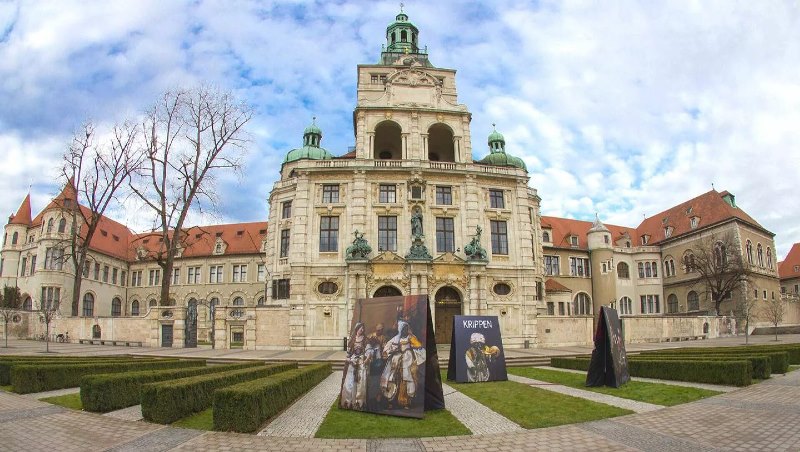
The majestic building, reminiscent of a fairy-tale palace, houses the Bavarian National Museum, founded in 1900 by King Maximilian II of Bavaria. The exhibition of this museum covers different time periods and includes precious artistic and household artifacts from the 2nd to the 19th centuries. These values were bestowed by the rulers of the House of Wittelsbach. Here you will find sculptures, tapestries, extravagant furniture, masterpieces of painting, weapon art, and jewelry made of precious metals. Adding to the museum's charm are handicrafts created by the Vikings, Celts, Goths, Saxons and many other ethnic groups. Under the roof of this unique museum is the world's largest collection of nativity scenes and unrivaled Nymphenburg porcelain.
Maximilianeum
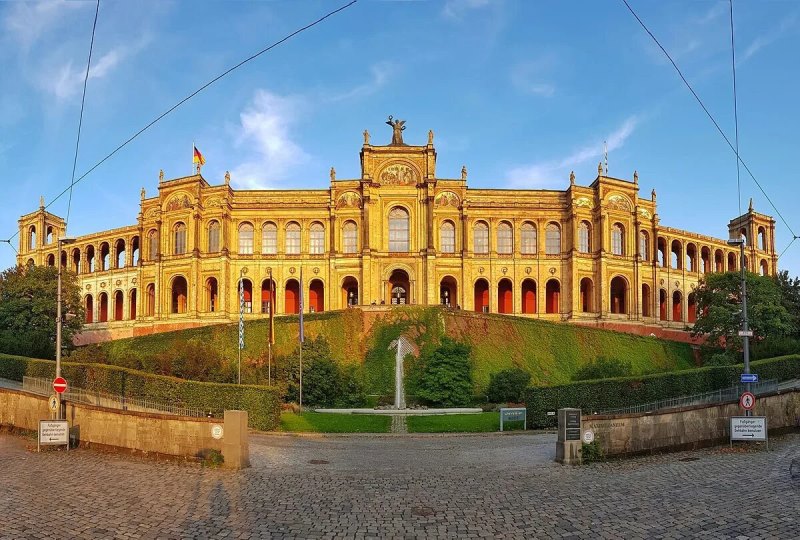
On the banks of the Isar river, among green parks and majestic Gothic buildings, stands an impressive palace that embodies the orders of King Maximilian II of Bavaria. Today it serves as a place for the Bavarian parliament and residence for talented students. Despite the fact that visitors do not have access to the inside, the Maximilianeum certainly deserves attention on the list of must-see places in Munich. Its architectural design and mixture of different styles is amazing, and its terrace offers magnificent views of the historical city center.
St. Peter's Church
Munich boasts its oldest basilica, known as St. Peter's Church. Its history began back in 1150. During the first half of the 20th century, its 91-meter-high bell tower served as an observation platform to monitor fires. Today it has turned into the best observation deck in Munich. To reach this height, it is necessary to overcome 304 steps, but the view from the top is sure to reward all efforts.
The interior of St. Peter's Church, decorated in the 18th century, is striking in its splendor. The main place in the interior is occupied by the altar, modeled after Bernini's Cathedra Petri, which can be seen in St. Peter's Basilica in Rome. In the center of this mosaic composition is the image of the Apostle Peter himself, with a golden tiara on his head, surrounded by Saints Ambrose, Augustine, John and Athanasius.
Park West
It was created in 1983 to welcome visitors to the International Garden Exhibition and has since become a popular place for relaxation and strolling for Munich residents. This picturesque park, covering 60 hectares, surprises visitors with artificial hills, valleys and two large lakes, home to ducks and swans. But the real pearls of the park are the rose garden with more than 20 thousand roses of various varieties and the magnificent ensemble of East Asia. Here you'll find Japanese and Chinese gardens, as well as pagodas from Nepal and Thailand, the latter of which is the Buddha's house.
Locals gather here for picnics, enjoy beer gardens, practice yoga and play football and volleyball. There are exciting playgrounds and an ice skating rink for children. Park West hosts a variety of events throughout the year, including festivals, concerts, exhibitions and theater performances.
Glyptotek
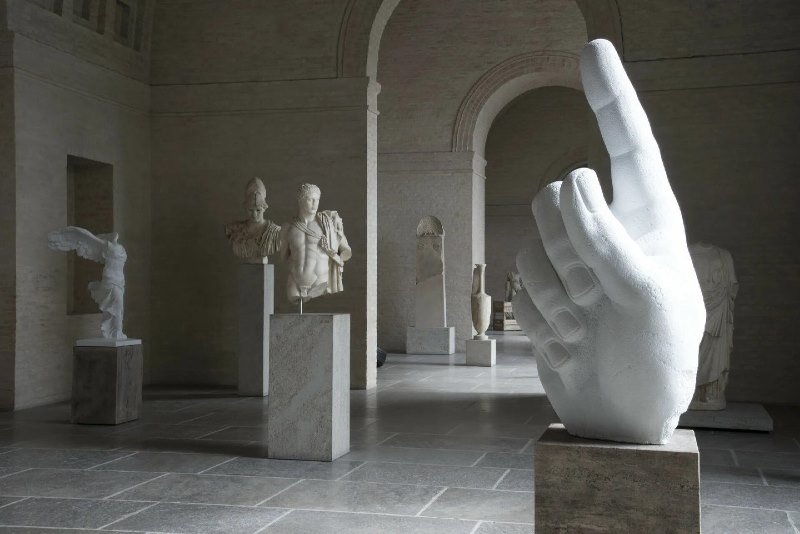
This is one of the oldest museums in Munich and unique in the world for its focus on exclusively ancient sculpture. This museum was conceived and founded by Crown Prince Ludwig, the future king of Bavaria, to house his own collection of sculptures. Located in an ancient building built in the neoclassical style in 1830, it itself resembles an ancient temple.
The permanent exhibition of the Glyptotek is divided into four time periods, starting from the 6th century BC. In the museum you can find world-famous sculptures such as the Munich Kouros, the Tenian Kouros and the Aeginetes, which originated from the Temple of Aphaia on the island of Aegina.
Hofbrauhaus
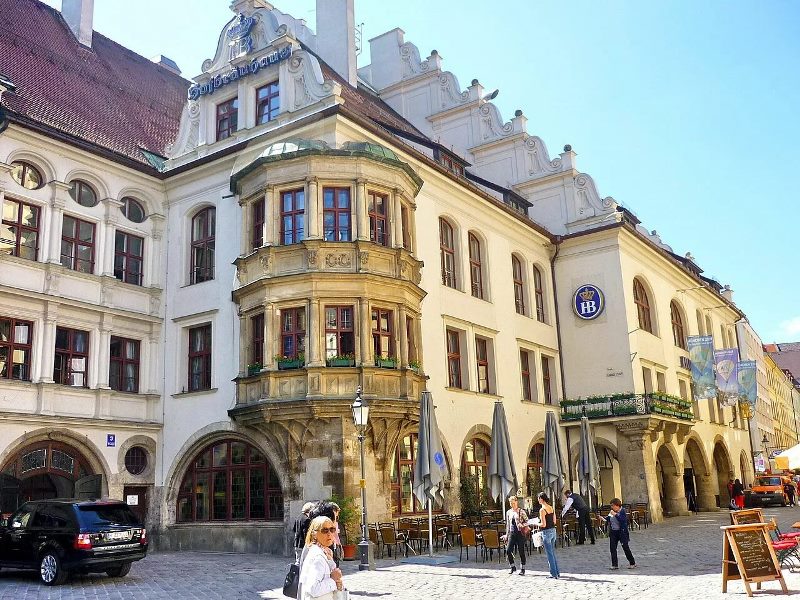
One of the most extensive and popular beer gardens in Munich is definitely worth a visit, even if you only have a day in the city. It was erected back in 1602 and since then has served loyal fans of the exceptional Hofbräu brand beer. The Hofbräuhaus can accommodate up to three thousand guests, and its regular visitors have their own safes for storing personal beer mugs, passed down by inheritance. On the ground floor of the restaurant, you will find tables that have been in service since 1897, with the names of guests forever imprinted on their tabletops. There is also a small stage where musicians every day treat visitors to cheerful melodies in the style of Bavaria. The second floor previously functioned as a brewery, and today it is a cozy room with interiors permeated with the spirit of the late 19th and early 20th centuries. The undisputed highlight of the Hofbräuhaus is the Bay Window Room, in which an octagonal ceiling mirror and ancient chandeliers majestically hang, giving a special charm to this establishment.
Blutenburg Castle
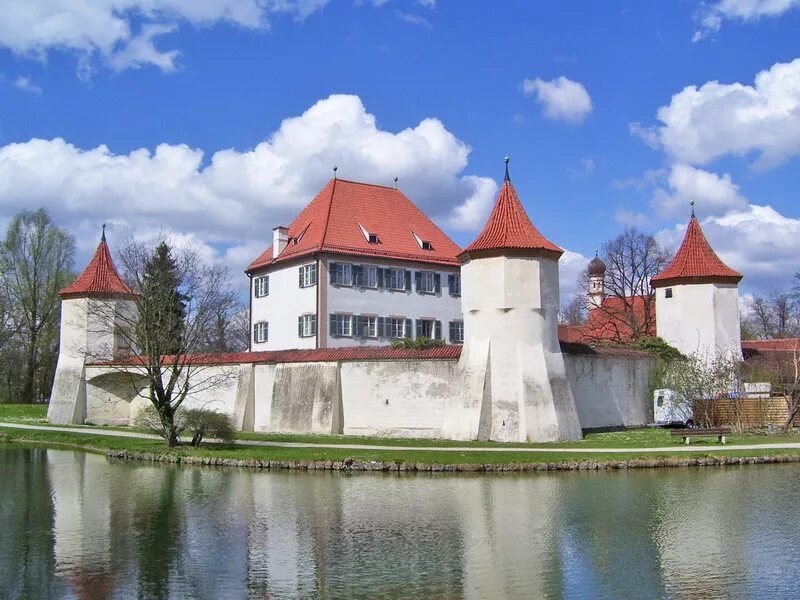
At the beginning of the 15th century, the medieval castle of Blutenburg, majestically located on the banks of the River Würm, witnessed the story of forbidden love between Duke Albrecht von Wittelsbach, heir to the Bavarian throne, and Agnes Bernauer, the daughter of a local barber . Their happy union was short-lived, for the young wife was accused of witchcraft, and by order of her husband she was drowned in the river. A sculpture installed at the entrance to the castle is dedicated to this tragic event.
Today, Munich's famous Blutenburg Castle houses the International Youth Library and you can also enjoy meals in the Schlossschänke Blutenburg restaurant.
Munich Pinakothek
The Pinakotheks of Munich are considered one of the main pearls of the Bavarian capital, enriching world art. These art galleries will take you into the magnificent world of art, providing a unique opportunity to enjoy works of art that have become true masterpieces in the hands of world masters.
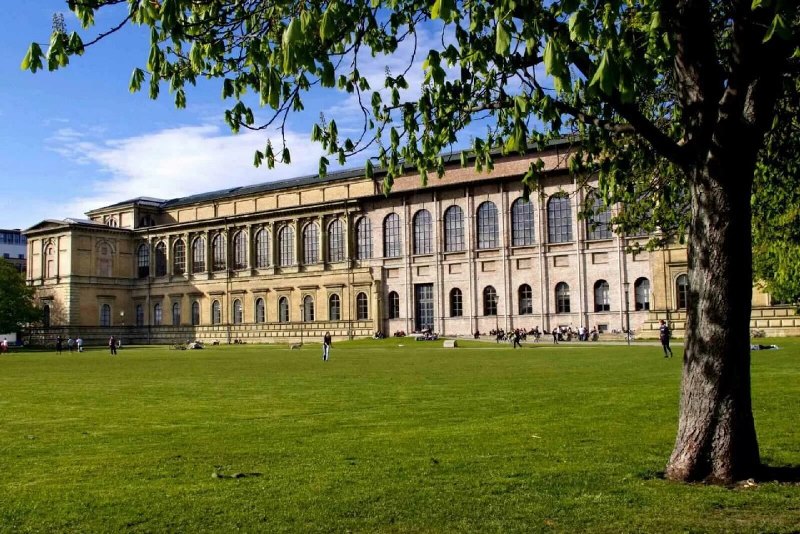
Старая пинакотека представляет из себя великолепную коллекцию искусства, которую в значительной степени собрали члены правящей династии Виттельсбахов. Здесь вы сможете насладиться произведениями художников, начиная с эпохи Средневековья и до XVIII века. В коллекции вы обнаружите произведения Рафаэля, Леонардо да Винчи, Альбрехта Дюрера, Босха, Рембрандта и Рубенса, которые являются настоящими сокровищами искусства.
Новая пинакотека была создана по приказу короля Людвига I в 1853 году с целью сделать его частную коллекцию доступной для всех. Этот музей предлагает крупнейшую коллекцию картин и скульптур XVIII-XX веков. Изначально коллекция была сфокусирована на мюнхенской школе живописи и немецких романтиках, согласно вкусам монарха. Однако после его смерти коллекция начала пополняться произведениями современных французских художников. Сегодня в Новой пинакотеке можно насладиться произведениями французских импрессионистов, такими как Сезанн, Гоген и Мане. Всего в коллекции хранится более 3000 картин и 300 скульптур.
Пинакотека Современности - В 2002 году была открыта "Третья Пинакотека" в Мюнхене, органическое продолжение двух предшествующих художественных галерей. Её уникальная коллекция включает в себя произведения современного искусства, классического модерна и представляет государственное графическое наследие.
Среди бесценных сокровищ Пинакотеки выделяются произведения немецких импрессионистов и шедевры от мастеров как Пабло Пикассо, Сальвадор Дали, Василис Кандинский, Анри Матисс, Жоан Миро и Хенрик Маргитт. В коллекции также присутствуют произведения Энди Уорхола и многих других известных художников. Пинакотека Современности — это не только увлекательное путешествие в мир искусства, но и гордость мюнхенской культурной сцены.
Beer and Oktoberfest Museum
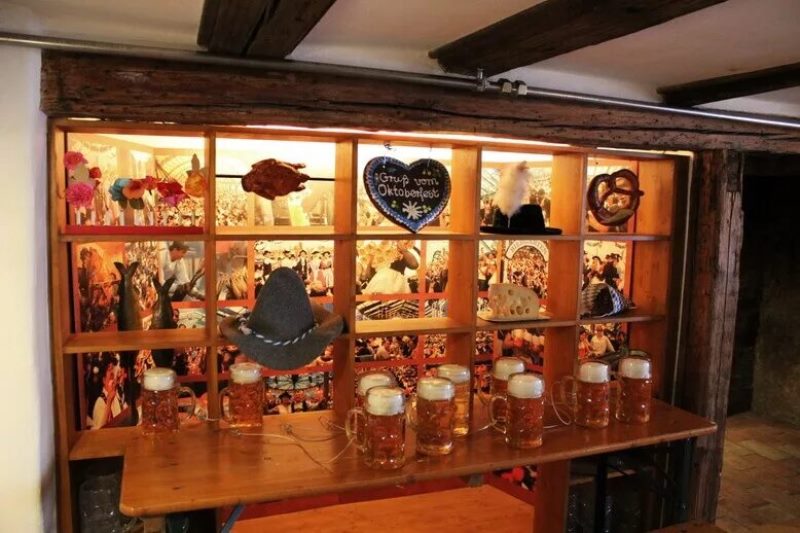
Among Munich's many fascinating museums, the Beer and Oktoberfest Museum holds a special place. This unique museum is housed in an ancient two-story building, which was built back in 1340 and is famous for its “Heavenly Staircase”, which has 43 steps and connects the first and fourth floors with a magnificent line.
The museum offers visitors two fascinating exhibitions. The first one, located on the ground floor, tells the history of brewing in general and reveals the origins of this wonderful art industry in Munich. Here you can study ancient recipes, see the utensils used for brewing beer, and much more.
The exhibition on the second floor is dedicated to the origins of the most popular beer festival in Germany - Oktoberfest. Here you can learn about its long history and traditions, both ancient and modern, as well as interesting facts related to its development. For example, the museum will tell you about the wedding of Crown Prince Ludwig I of Bavaria to the Princess of Saxony, an event that marked the beginning of this exciting holiday.
In addition, the museum has a tasting room where every visitor has the opportunity to try different types of beer and discover new tastes.
Museum of Five Continents
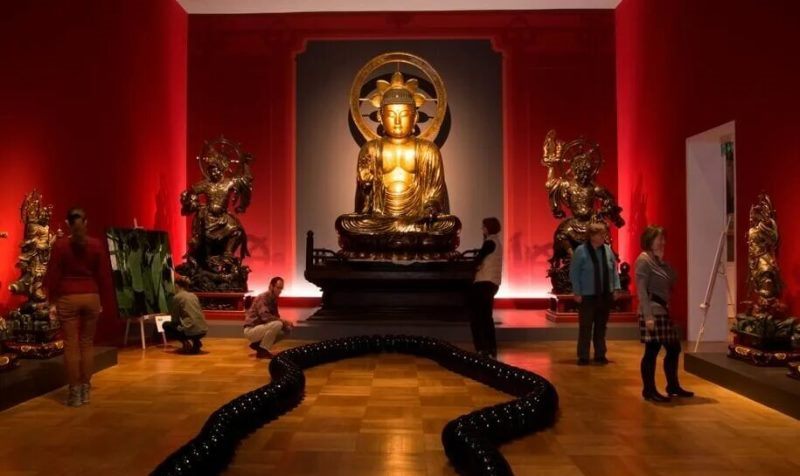
Germany in all its ethnographic diversity. Germany's second largest ethnographic museum, the Museum of Five Continents, has its roots in the collection of the Wittelsbach dynasty. This museum presents a rich collection of everyday objects, art, culture and religious artifacts of peoples living on five continents: Africa, South and North America, Oceania and the East. In total, the museum has more than 160,000 exhibits, 135,000 photographs and 100,000 books.
Visitors can immerse themselves in a world of amazing cultural treasures, from unique examples of Eastern calligraphy to Incan and Mayan artifacts, as well as African masks, jewelry and weapons. This museum offers a fascinating journey through the diversity of the world's cultures and peoples.
Oktoberfest
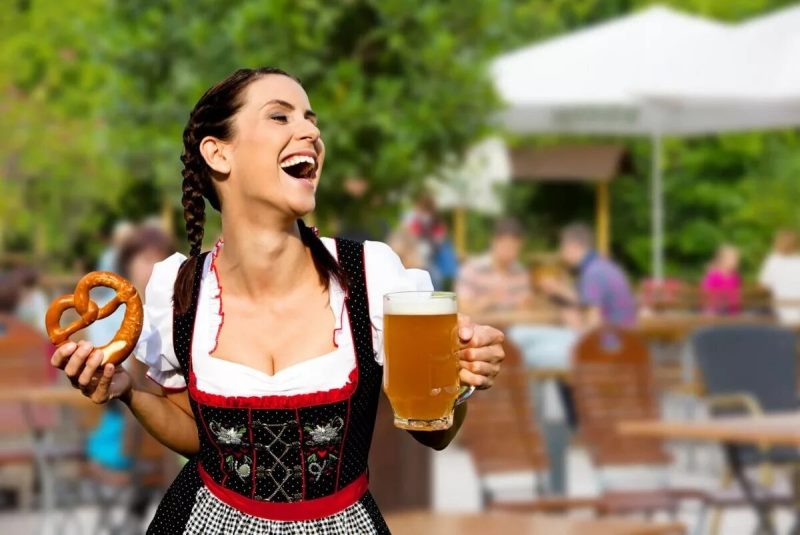
Every year, starting in mid-September, Munich becomes the epicenter of the world's most famous beer festival, known as Oktoberfest. Over the course of more than two weeks, this festival attracts about 6 million visitors and employs 12 thousand people. At this time, guests consume an impressive amount - 6 million liters of beer and an equally impressive 500 thousand fried chicken. Huge beer tents are set up on Teresa's Meadow, which covers an area of 26 hectares, and also hosts a variety of attractions.
The beginning of the fun is marked by a solemn parade of beer tent owners and a solemn ceremony of opening the first barrel of beer, followed by a costume procession. According to Oktoberfest rules, only drinks that have been prepared in accordance with the beer purity law are allowed to be served at this festival.


