
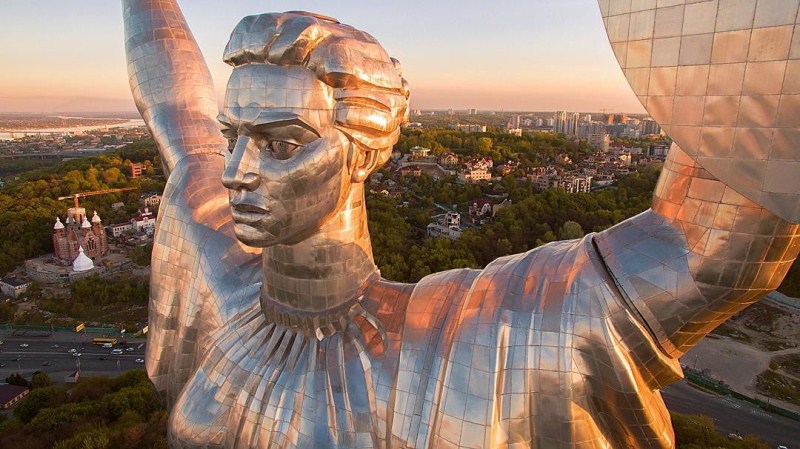
Installed on one of the highest points of Kyiv, the sculptural composition Motherland became one of the iconic exhibits of the National Museum of the History of the Great Patriotic War. According to the plan of its creators, the monument should symbolize the indomitable spirit of the people who were able to resist and win the most terrible war. The monument, visible from almost anywhere in the city, was opened to visitors in May 1981 together with the Museum of the History of the Great Patriotic War.
Description of the monument
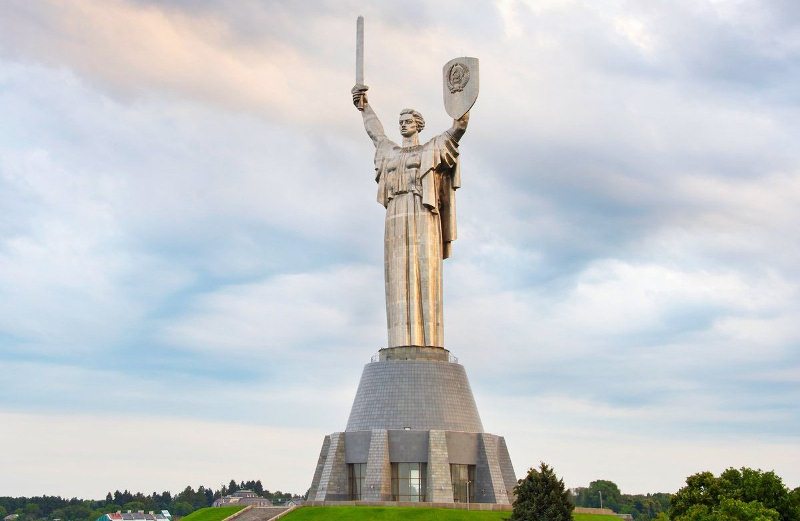
A team of Ukrainian sculptors built the monument, the project of which was created by the architect Ye. Vuchetych, in the mid-1970s. This sculpture depicts a woman holding a sword in one hand and a large shield in the other. The covering of the statue of the Motherland was made in Zaporizhzhia, and the stainless steel sheets were welded in Kyiv by specialists of the E. Paton Institute to create a single whole look of the monument.
There are elevators inside the monument - as many as two elevators - a vertical and an inclined one. In addition, there are stairs that lead to the narrow passages of the monument, including the highest observation deck.
Weight and Height of the Motherland-Mother sculpture
The monument includes a sword and has a total height of 102 meters. The height of the sculpture is 62 meters, and its pedestal is 32 meters. The total weight of the structure is more than 450 tons. The sword in the right hand weighs 9 tons, and the shield in the left hand weighs 13 tons.
It should not be forgotten that the pedestal itself is a wonderful example of engineering art, its foundation is lowered to a depth of more than 20 meters. And the drainage well, which provides an effective water drainage system, penetrates the complex and diverse soils characteristic of the slopes of the Dnipro River to a depth of 34 meters.
Mysteries of construction history
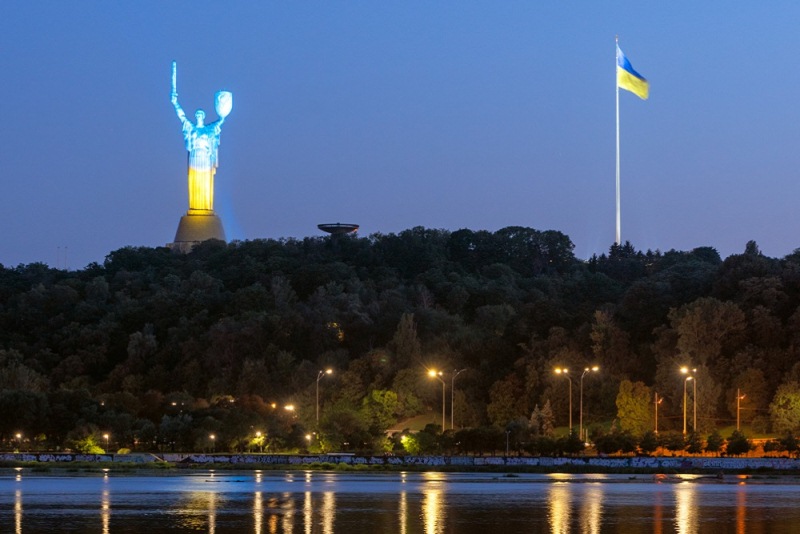
The full story behind the installation of the monument remains unknown, but some researchers speculate that the unique crane used to erect the monument was dismantled and thrown into the Dnieper. Others believe that the crane was also used on other buildings throughout Ukraine, especially during restoration works.
Seismic and wind factors
Joint efforts of surveyors, architects and sculptors, which lasted several years, made it possible to create a unique structure capable of withstanding an earthquake with a magnitude of more than 8. At the top of the monument is a device designed to reduce wind vibrations, especially the movements of the sword and shield.
National Museum of the History of Ukraine in the Second World War
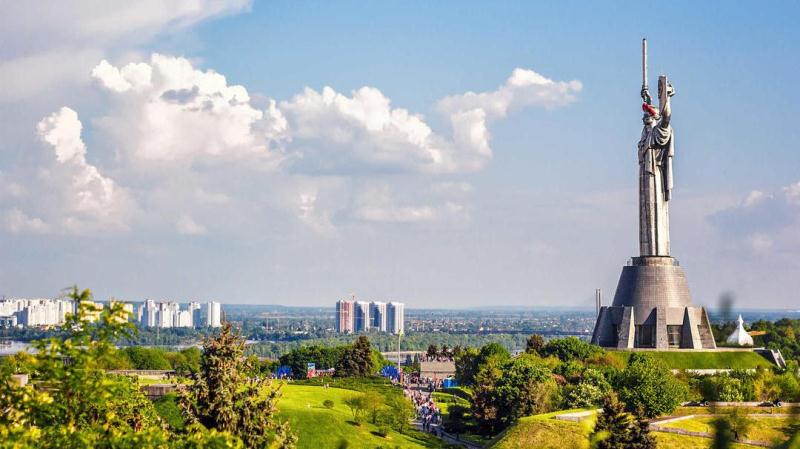
The Museum of the Great Patriotic War complex includes not only the famous monument Motherland, but also the Alley dedicated to the hero cities of the Soviet Union, as well as the "Flame of Glory" cup. There are open areas where you can see equipment used during the Second World War, as well as sculptural compositions dedicated to various stages of this war.


