
This way, you can avoid unnecessary hassle and save your time on the verification process. More detailed information about what you can and cannot take on board an airplane is available in our article. We presented not only international standards and airline requirements, but also the experience of travelers from various countries.
It is prohibited to take such items into hand luggage for carriage in the cabin:
- Weapons or similar items. It is prohibited to carry real weapons or any items that may resemble them in the aircraft cabin. Including toys that may look similar to real weapons. Children's pistols, including water pistols, swords and other similar items must be placed only in luggage.
- Liquids. If you plan to transport liquids, then it is worth considering that this regulation applies to containers with a volume of more than 100 ml and a total volume of more than 1000 ml. This rule applies to liquids such as water, juices, drinks, lotions, shampoos, creams, gels, pastes, aerosols, mascara, yoghurts, soft cottage cheese, jams, pates and other similar products. If the liquid is in a container whose volume is equal to or greater than 150 ml, its transportation in the cabin is prohibited, even if the liquid itself has a volume of less than 100 ml. However, medications and baby food are exceptions to this rule. However, a doctor's note may be required to transport them.
- Alcohol. On the plane you can only drink it from containers with a volume of no more than 100 ml. Some airlines allow passengers to purchase alcohol from Duty Free stores, but the bottles must be sealed by the manufacturer and passengers must present a receipt confirming the purchase.
- Cutting and piercing objects. The rules regarding cutting and piercing objects on board may vary from airline to airline. To avoid problems, do not take sharp objects such as scissors (including nail scissors), tweezers, nail files, etc. into the salon. However, this rule does not apply to disposable razors with replaceable blades and electric razors.
- Explosive substances. To ensure the safety of passengers, it is prohibited to transport explosive substances or materials under pressure on airplanes. Such materials include gasoline lighters, camping burners, protective gas cartridges and other similar items.
- Lithium-ion batteries. These batteries can be dangerous because they can explode when heated. Carrying such devices on an airplane requires special attention to detail and airline conditions. Typically, batteries with a capacity of up to 100 Wh can be carried in hand luggage or in checked luggage, provided that they are inserted into the appropriate device. Batteries with a capacity of 100 to 160 Wh can also be carried with airline approval. However, models whose capacity exceeds the specified values can be transported by plane only if marked as dangerous goods and with special documents.
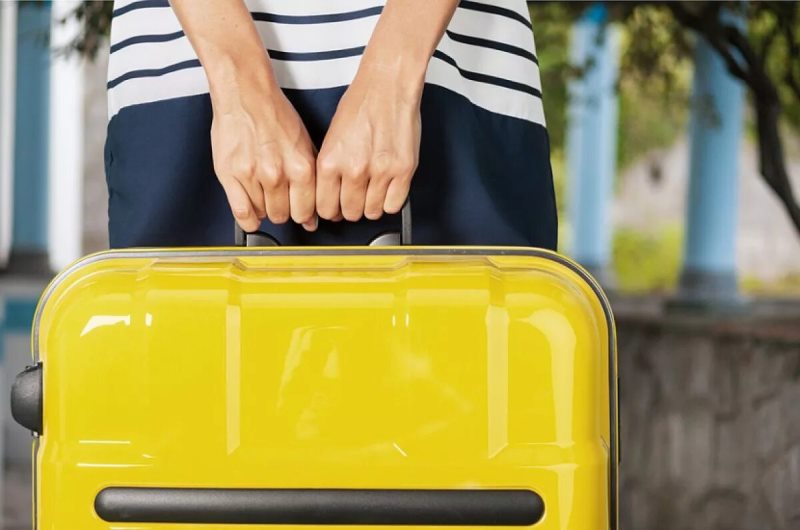
What you can take in your hand luggage.
They usually try to transport the most valuable and fragile items in the cabin of the plane, and they also put essential items in hand luggage. Here is a short list of what is recommended to take with you to the salon:
- Gadgets. Equipment like e-readers, laptops, tablets, photo and video cameras are expensive and durable, so it makes sense to take them with you on a trip. This will not only ensure its safety, but can also diversify the travel time. However, it is worth considering that not all airlines allow you to take a Samsung Galaxy Note 7 smartphone on board due to the potential explosion hazard of its battery.
- Money and documents. It is always important to have money and documents with you, so it is not recommended to leave them in your luggage.
Medicine. For more comfortable flights, especially long ones, it is recommended to always carry a mini-first aid kit with the appropriate contents. It may contain medications such as medications for motion sickness, headaches, allergies and other diseases. A more detailed list of approved drugs for transportation will be presented below. - Warm clothing. For a more comfortable flight, it is recommended to wear warm clothing, such as a comfortable jacket or a light scarf. This is especially true for those who cannot tolerate cool air from the air conditioner.
- Wet wipes. It is always a good idea to have wet wipes on hand, as they can come in handy at any time. They allow you to quickly and conveniently wipe your hands and face, remove small dirt and perform other tasks.
- Orthopedic pillow. If you are going on a long flight, then an orthopedic pillow can significantly improve your comfort. It will allow you to sit comfortably in a chair and even sleep. However, if your flight is short, then there is no need to carry a neck pillow with you, it will be unnecessary.
- Food. If you plan to have a snack during the flight, please note that liquid food can only be carried in packages up to 100 ml. This restriction also applies to soft cheeses such as Camembert and Brie. However, there are no such restrictions for solid products. Some countries may prohibit the import of animal products, so please check with them before flying. In addition, odors from food are strongly felt in the cabin, so transporting foods with strong aromas is also not recommended.
- Protective equipment. In the current 2023, it is necessary to remember the availability of protective equipment, such as medical masks, gloves and antiseptics. As the pandemic has shown us, this is very relevant and important for everyone.
How to carry liquids in cabin luggage
This is one of the most common questions among those planning to travel by plane. To avoid possible problems, you must remember that liquids in hand luggage can only be carried in containers with a volume of no more than 100 ml. In addition, it is important to remember that:
- To comply, all vials and containers must be packaged in clear ziplock bags measuring approximately 20 by 20 centimeters.
- The total amount of liquid per person should not exceed 1000 ml.
- All substances that do not have a solid structure are classified as liquids. Such substances include lip glosses, syrups, deodorants, and the like.
If you always want to have water on hand, you can buy it at a duty-free store. Sometimes, in a clean area you can take water if you have an empty bottle with you. In this case, you can ask the flight attendant on board the plane to fill it.
Where can I get containers for carry-on luggage?
You can often find travel-sized containers in stores. If necessary, they can be replaced with other models, but it is important to ensure that they have the required volume and do not exceed 100 ml. For example, you can use shampoo bottles, soy sauce bottles, etc.
Where can I buy bags with zip locks?
Interesting package options can be found in stationery or cosmetic stores. Travelers' experience shows that bags do not necessarily have to have a lock. Containers for liquids can be packaged in models with a zipper or a button.
List of medications allowed for transportation in the cabin.
Most medications that can be purchased at standard travel pharmacies can be carried in your carry-on luggage without any problems. However, before traveling, it is important to check that all tablets, syrups and other medications are in their original packaging. When compiling a first aid kit, it is also worth considering the rules for transporting liquids in hand luggage. Medicines in liquid form must be contained in containers with a volume of no more than 100 ml, unless they are listed as essential medicines. In this case, they can be transported with a special certificate. If you are taking narcotic or psychotropic medications, you must have a prescription from a doctor in Latin, and also indicate them on the declaration. Injection needles are allowed to be carried in the cabin only with the appropriate certificate. If they are needed during a flight, you should contact the airline and find out their transportation rules.
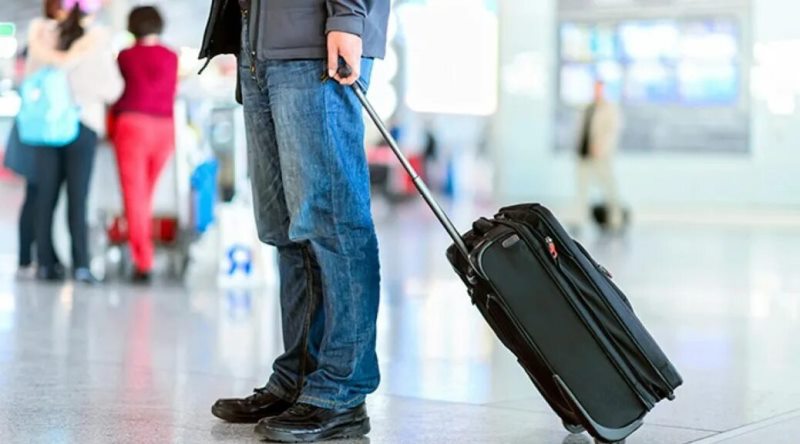
There are a number of things that are absolutely prohibited from being carried on an airplane.
Before traveling by plane, it is recommended that you familiarize yourself with the list of prohibited items to avoid risks. However, this list does not include things that a traveler usually needs. It is worth considering that certain substances are strictly prohibited for transportation on board an aircraft:
- explosive;
- poisonous;
- radioactive;
- caustic;
- flammable;
- fire hazardous;
- magnetized;
- toxic.
It should be noted that the category of prohibited items and things for transportation on board an aircraft includes weapons and ammunition, organic peroxides, as well as liquefied and compressed gases.
To avoid unnecessary hassle when flying by plane
You need to know what items are prohibited in your checked and carry-on luggage. Before traveling to the airport, it is recommended that you check the relevant rules to ensure that all your belongings are allowed on board.
It is recommended to study the list of items that are allowed for import and export from the country. For example, travelers visiting Egypt should be aware that coral can only be transported with a receipt.
You should also check the carry-on and baggage rules of the airline you will be flying with, as they may differ significantly from previous ones. The rules of low-cost airlines are known for their particular strictness.
In order not to overpay for excess baggage weight, you need to weigh it before packing. If the weight exceeds the allowable limit, remove unnecessary items or those that may not be necessary.
If you want to save on luggage, there are some loopholes you can take advantage of. Some airlines allow you to take umbrellas, equipment, outerwear, etc. in hand luggage. If possible, it is better to put large items in your checked luggage, and put only necessary and valuable items in your hand luggage.
Do not forget that it is best to keep documents, valuable and fragile things with you to minimize the risk of losing them and save your nerves.
If you have non-standard luggage, you should clarify all the details with the airline staff to avoid misunderstandings during transportation. Travelers may have questions, so don't hesitate to ask the airline about anything you're interested in.
Travelers often ask the following questions:
-
Can I take food with me on a plane?
All solid products that are allowed to be transported into the country are allowed to be taken into the cabin. However, we should not forget that there are people around, so you should avoid dishes with aromatic spices, garlic and other odors. If these are yoghurt or other liquid products, they must be packaged in containers with a volume of no more than 100 ml. There are restrictions for strong-smelling and powdery products.
-
Is it possible to take water on board the plane?
Packages of drinks up to 100 ml are allowed. If the capacity is larger, then water is not allowed on board.
-
Are razors allowed?
Disposable razors and electric razors are allowed on planes. You can also take replacement cassettes for them.
-
What rules should be followed when transporting a laptop on board an airplane?
Typically, laptops can be carried in the cabin and in the luggage compartment. However, there are certain exceptions for Apple products, such as the 2015-2017 MacBook Pro models, which may experience battery fire.
-
Can I take cigarettes with me?
Airlines do not prohibit taking cigarettes with you. However, before departure, it is necessary to clarify the rules for import and export to the destination country, since restrictions on the number of packs of cigarettes may vary.
-
Are electronic cigarettes allowed on board?
According to the rules, smoking devices can be carried in hand luggage, but they are prohibited from being placed in luggage. However, travelers to Lebanon, Thailand, India, Cambodia and Vietnam should be aware that these countries do not allow the import of e-cigarettes.
-
What rules apply to the transport of perfumes and eau de toilette?
Cosmetics can be carried in different packaging in luggage. However, only bottles up to 100 ml are allowed in hand luggage.
-
Will deodorants be allowed in hand luggage?
If this is an aerosol product, it can only be taken with you if the container volume does not exceed 100 ml.
-
Can I take pills in hand luggage?
If the tablets do not contain prohibited substances, they can be carried in hand luggage. However, they must be in their original packaging. It is recommended to use an electronic thermometer to measure temperature.


